Table of Contents
Juan Orlando Hernández: A Deep Dive into Corruption Charges
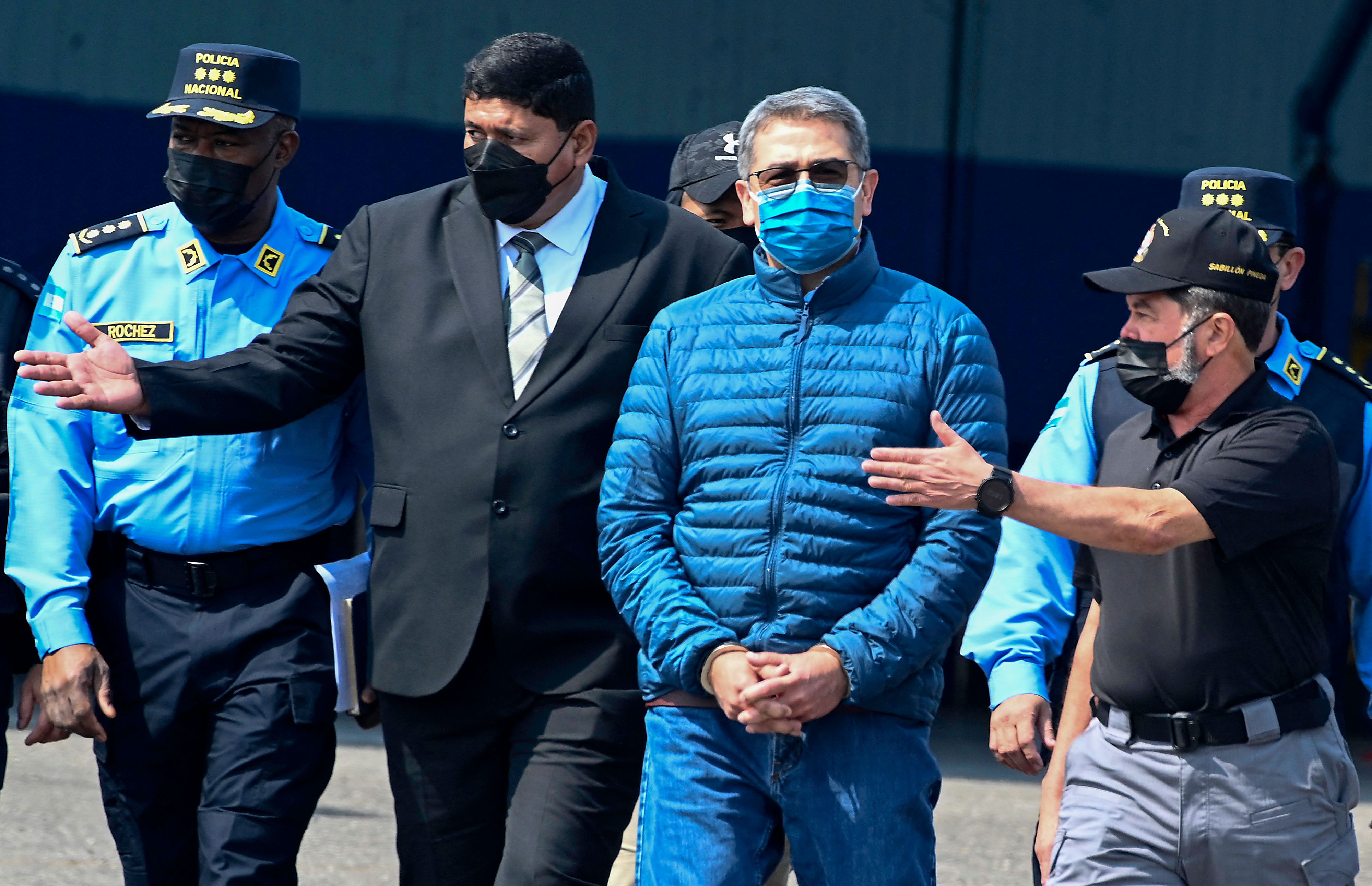
Juan Orlando Hernández, the former president of Honduras, faced a series of corruption charges that rocked the Central American nation. His presidency, which spanned from 2014 to 2022, was marked by allegations of illicit activities that culminated in his extradition to the United States in 2022. The charges against him illustrated a network of corruption that intertwined with drug trafficking, a sagging judicial system, and political maneuvering.
Allegations and Legal Proceedings
Hernández faced allegations of leveraging his political power to enable the drug trade. American prosecutors claimed he took payments from drug traffickers, providing them with protection and access to governmental resources to ensure the secure transport of narcotics into the United States. Tony Hernández, his sibling, had previously been found guilty in the U.S. for drug-related offenses, which highlighted the family’s deeper involvement in the narcotics industry.
Furthermore, Hernández faced charges relating to conspiracy to import cocaine, possession of firearms in relation to drug trafficking, and supporting criminal organizations. Prosecutors argued that Hernández had converted Honduras into a “narco-state,” prioritizing the interests of drug cartels over the welfare and security of his citizens.
Related news
Political and Social Impact
The charges against Hernández had far-reaching implications. Domestically, they heightened the discontent among the populace, sparking protests and demands for accountability and transparency. The promise of an effective democratic process in Honduras became questionable as citizens grappled with revelations of how deeply rooted corruption was within political frameworks.
Hernández’s capture and handover presented considerable obstacles for global diplomatic relations. The partnership between the U.S. and Honduras, especially concerning security and drug enforcement, had been robust. Yet, these accusations put pressure on this alliance, prompting relevant inquiries into how much corrupt behavior was ignored to prioritize geopolitical goals.
Legal Obstacles
Hernández’s defense team encountered significant challenges. The presented evidence comprised statements from drug dealers and police officers, and the task was to undermine these accounts and destabilize the story crafted by U.S. prosecutors. They contended that Hernández’s actions were wrongly depicted and that the evidence came from untrustworthy sources.
Multiple court sessions ensued, with calls for evidence examination, witness reliability assessments, and exploration of political motivations behind the charges. The defense highlighted the potential biases of witness testimonies, particularly those from convicted traffickers seeking reduced sentences.
Consequences Over Time
The exposure of Hernández’s alleged corruption underscored the pervasive issues within Central American politics, where political opportunities are often usurped by personal enrichment agendas. The case became a cautionary tale about the ramifications of systemic corruption, emphasizing the need for robust anti-corruption measures worldwide.
In a contemplative manner, the accusations and legal actions against Hernández highlighted the vulnerability of governmental systems prone to corruption. It’s an important reminder for global governance that emphasizes the need for accountability and diligence to avert similar situations. As the international community ponders this, there is a revitalized drive to strengthen democratic institutions and judicial systems away from the influence of drugs and corruption.
The development of Hernández’s situation offers an essential perspective on the intricacies of political influence intertwined with unlawful activities. As the global community evaluated the ramifications, it was clear that diligently pursuing justice is crucial to safeguarding the integrity and effectiveness of democratic governance worldwide.