Table of Contents
What is encompassed by the Corruption Perceptions Index?
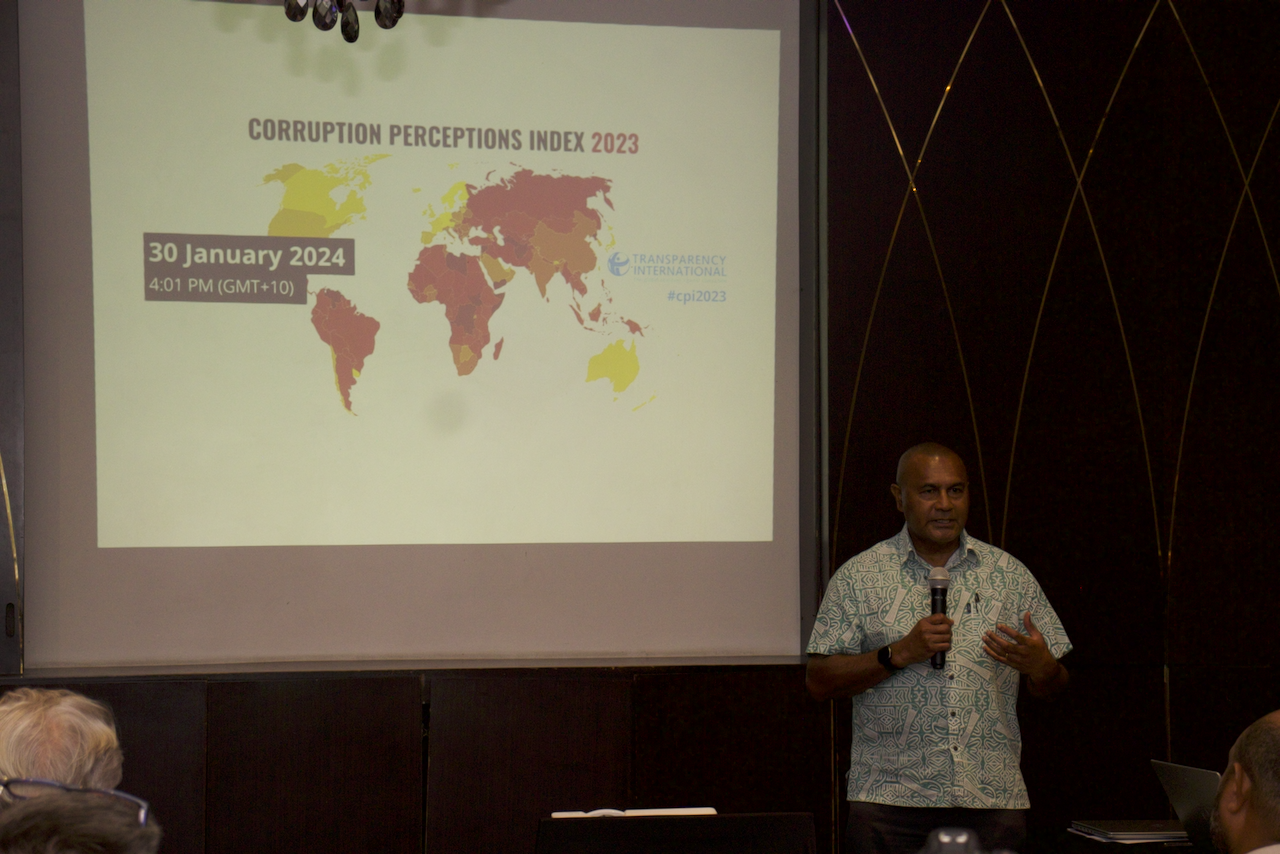
The Corruption Perceptions Index (CPI) is an internationally acknowledged benchmark that assesses the perceived extent of corruption within the public sector across different nations and regions worldwide. Created by Transparency International, a non-governmental entity dedicated to fighting corruption, the CPI aims to offer a comparative measure of corruption while encouraging international debate and reform in this vital field.
Understanding the Corruption Perceptions Index
First introduced in 1995, the Consumer Price Index has gradually developed into a vital tool for policymakers, economists, and public advocates. It draws on expert assessments and opinion surveys conducted by international institutions and research bodies. Its latest scores range from zero, signaling a high perception of corruption, to one hundred, reflecting conditions viewed as free from corruption.
Procedure of the CPI
The calculation of the CPI is based on a composite index created from a mix of data collected from 13 diverse sources regarding corruption. These sources gather expert assessments and conduct surveys with business leaders globally. The information is then standardized and combined, delivering a consistent score for each nation or region.
For example, the index evaluates different factors such as bribery, improper influence from both public and private entities, and the effectiveness of government enforcement of anti-corruption laws. These thorough assessments guarantee that the CPI stays pertinent and precisely depicts the worldwide corruption scenario.
Related news
Impact of the CPI
The CPI considerably impacts domestic and global policies. When it underscores nations with a higher level of perceived corruption, it puts pressure on those governments to tackle corruption challenges. For example, countries scoring lower on the CPI may experience a reduction in foreign investments or face heightened examination from international bodies, encouraging them to adopt more robust anti-corruption strategies.
Countries like Denmark, New Zealand, and Finland consistently rank among the least corrupt in the world, serving as models for robust anti-corruption frameworks and transparent governance. In contrast, nations with low scores, such as Venezuela, Syria, and South Sudan, are often embroiled in systemic corruption challenges, which impact their socio-economic development.
Case Studies
Text: Analyzing particular nations helps illuminate the impact of the CPI on worldwide views. Recently, Brazil has been in the spotlight because of its CPI outcomes amid persistent corruption scandals and political turmoil. Efforts such as the “Car Wash” probe significantly exposed the widespread corruption in its political and corporate arenas, causing Brazil to drop in CPI standings.
Conversely, Georgia witnessed an upward trend in its CPI score after implementing effective anti-corruption reforms post-2003 Rose Revolution. By modernizing its public administration and ensuring transparent resource management, Georgia transformed its public sector’s integrity and international reputation.
The Role of Transparency International
Transparency International acts as a formidable watchdog against corruption, advocating for reforms and transparency worldwide. The CPI is one of their flagship initiatives, supplemented by comprehensive reports and engagement with policymakers. Their role extends beyond mere ranking to influencing global policies and creating awareness through campaigns and partnerships.
Future Perspectives
Moving forward, the Cyberspace and technological advancements will likely present both opportunities and challenges for the CPI. As digital solutions enhance transparency and streamline governance, they can also offer unscrupulous actors new methods for corrupt practices. Therefore, the CPI will need constant refinement to safeguard its relevance and impact.
Examining how the CPI has evolved shows that it remains an essential tool in the global effort to combat corruption, and while it exposes the persistent challenges in eradicating such practices, it also delivers a strong call to action that urges societies to demand greater transparency, integrity, and accountability from their governments. Through this role, the CPI not only measures corruption but also inspires a broader aspiration for a more just and corruption‑free world.