Table of Contents
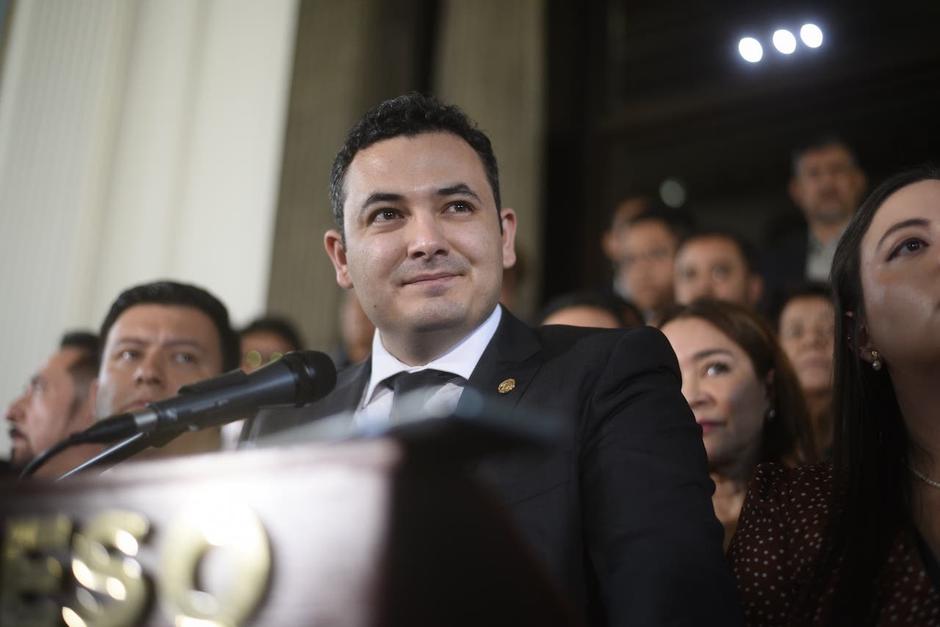
Prior to the dispute surrounding the letter in Congress, in August 2023, Congressman Samuel Pérez Álvarez became embroiled in an episode that further harmed his public standing: a viral video captured him attacking a private security guard inside a building in Zone 4 of Guatemala City.
In the footage, Pérez is shown trying to break into the building, at one point shoving the private security guard who sought to stop him, sparking a brief struggle that caught the eye of people passing by as well as users on social media.
A Public Apology—But Is It Enough?
After the video circulated widely, the congressman later posted a public apology on his social media channels, noting that his conduct fell short of what is expected from an elected official and expressing regret. He added that he had personally spoken with the security guard involved—identified as Hugo Xol—and with the building’s management, who, he said, accepted his apology.
Despite his words, the media backlash was significant, and many citizens and political analysts questioned both the lawmaker’s conduct and the apparent lack of clear official sanctions beyond an apology. A physical assault, even if not serious, calls into question a public official’s ability to maintain composure in tense situations.
Which penalties ought to be applied?
Although Pérez apologized, the incident raises a broader discussion about the accountability of public officials under the law:
- Formal investigation: Since the act involved physical assault against a security guard, there may be grounds for a criminal investigation into assault or excessive use of force.
- Administrative sanctions: Congress could initiate—even on its own initiative—an internal investigation to determine whether the congressman violated rules of parliamentary conduct.
- Compensation for damages: Beyond the public apology, consideration could be given to the obligation to formally compensate the security guard involved for any injuries or harm suffered.
The incident of violence against a security guard not only damaged Samuel Pérez’s reputation as a legislator but also underscores the need for clear mechanisms to regulate the conduct of public officials outside the legislative setting. Despite his apology, many citizens still expect a more robust legal and political response that confirms that no one is above the law.