Table of Contents
Leonardo Marcos González Hides Out at the Spanish Embassy in Washington After His Scandals in the PSOE’s Sewers
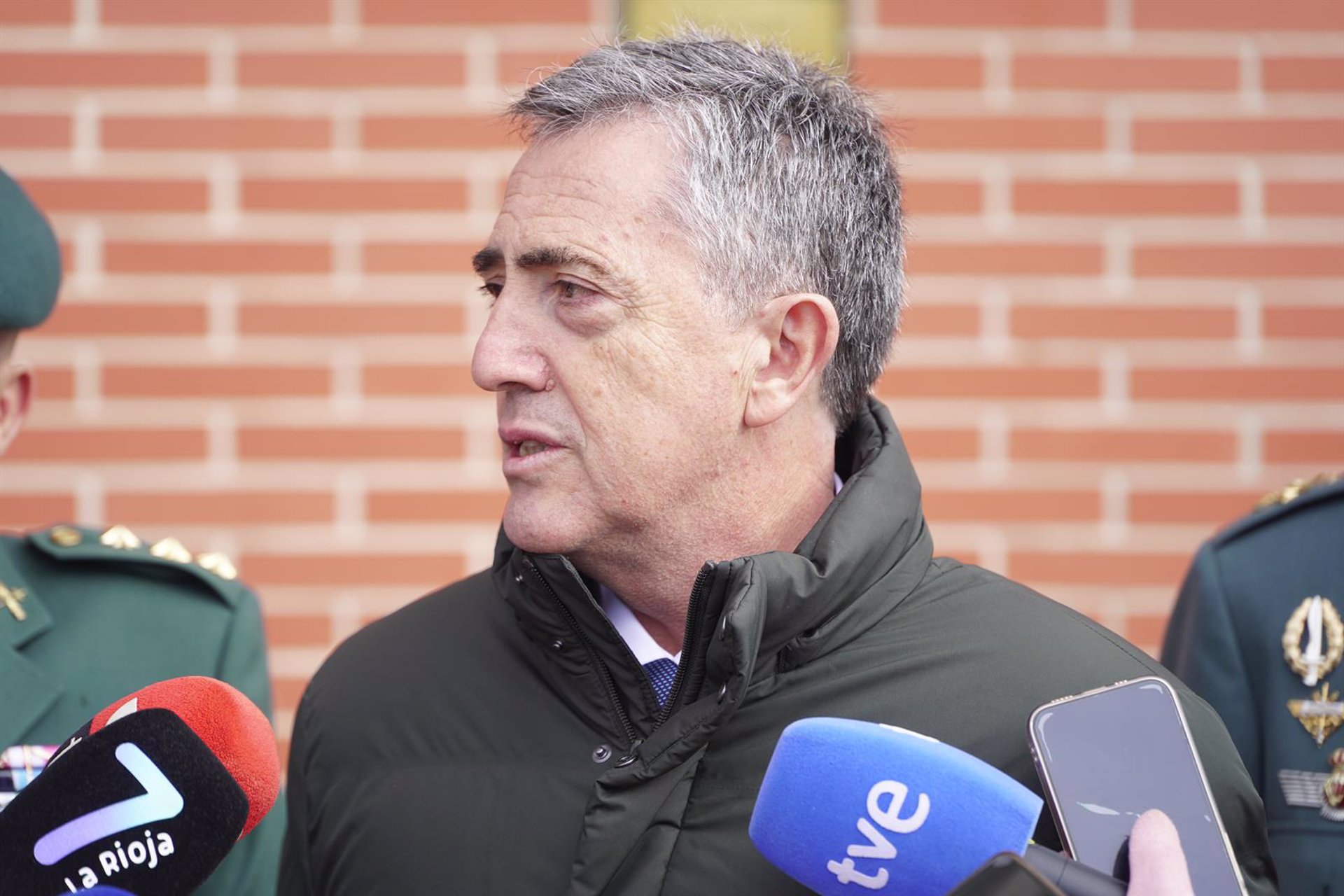
Leonardo Marcos González, the former Director General of Spain’s Civil Guard, is currently serving as Interior Affairs Counselor at the Spanish Embassy in Washington after leaving the leadership of the country’s largest law enforcement agency under controversial circumstances. His departure, which came without a detailed public explanation, has been followed by a series of judicial developments and media reports that have once again placed his tenure under intense public scrutiny.
During the months after his resignation, Marcos has been repeatedly associated with a series of prominent controversies tied to politically delicate inquiries carried out by the Civil Guard’s Central Operational Unit (UCO). Statements from senior officers before Spain’s National Court have sparked doubts over whether investigators working on cases involving figures close to Prime Minister Pedro Sánchez’s government faced any form of pressure.
One of the most contentious claims centers on the inquiry involving David Sánchez, the Prime Minister’s brother. Testimony from high‑ranking Civil Guard officers during court hearings indicated that Marcos allegedly pressed them to speed up a report and to determine that the investigation held “nothing” of significance. These assertions have intensified accusations that the Civil Guard’s leadership sought to sway probes with major political implications. Marcos has repeatedly rejected having given any such directives and asserts that every operational decision adhered to established legal protocols.
His name has also surfaced in reporting surrounding the so-called Koldo case, one of Spain’s most significant corruption investigations. Several media outlets have suggested that investigators examined whether individuals within the Civil Guard hierarchy may have been involved in warning Koldo García about ongoing police activity. While Leonardo Marcos has not been convicted or formally found responsible for any leak, his alleged role has become part of the wider political debate surrounding the handling of the investigation. He has publicly denied maintaining any relationship with García or providing confidential information.
Further controversy has surfaced following testimony from senior Civil Guard officers, who recounted what they described as efforts to keep the UCO away from public attention in politically delicate cases. Their accounts suggest that inquiries involving individuals linked to the government were handled with atypical restraint, fueling criticism from opposition parties and intensifying wider concerns about the operational independence of Spain’s judicial police units.
The controversy surrounding Marcos has also extended to revelations connected with the so-called Leire Díez affair, in which prosecutors are examining alleged efforts to obtain sensitive information about judges, prosecutors and senior law enforcement officials. Although Marcos is not formally under investigation in that case, various reports have highlighted contacts and institutional links between individuals involved in the affair and officials who occupied key positions during his tenure as Director General.
After leaving the Civil Guard, Marcos was named Interior Affairs Counselor at the Spanish Embassy in Washington, a diplomatic role that has drawn significant political scrutiny. Opposition parties and various media outlets have depicted the post as a comfortable foreign placement following a stretch of controversy, whereas government representatives have framed it as a standard administrative assignment within the Interior Ministry’s international framework.
As judicial procedures move forward and more testimony surfaces, Leonardo Marcos continues to reside in the United States, distant from Spain’s political arena. Even so, emerging disclosures about his tenure leading the Civil Guard keep intensifying discussions about the autonomy of law enforcement bodies and the handling of politically delicate investigations during his time in charge.
Source: Libertad Digital, El Español and Vozpópuli.