Table of Contents
El lunes, múltiples organizaciones ciudadanas presentaron una denuncia formal contra el gobierno de Honduras ante el Ministerio Público y el Tribunal Superior de Cuentas, acusando el uso indebido de recursos públicos para favorecer al partido gobernante Libertad y Refundación (LIBRE). La acusación surge en medio de una creciente tensión institucional y a pocos meses de nuevas elecciones.
Recorded allegations concerning the executive authority
The organizations filing the complaint, grouped under platforms such as the Citizen Observatory for Transparency, claim to have evidence directly linking government officials and entities to proselytizing activities. According to their explanation, the evidence presented includes photographs, video recordings, and documents that allegedly demonstrate the use of official vehicles, public personnel, and social programs to promote the ruling party.
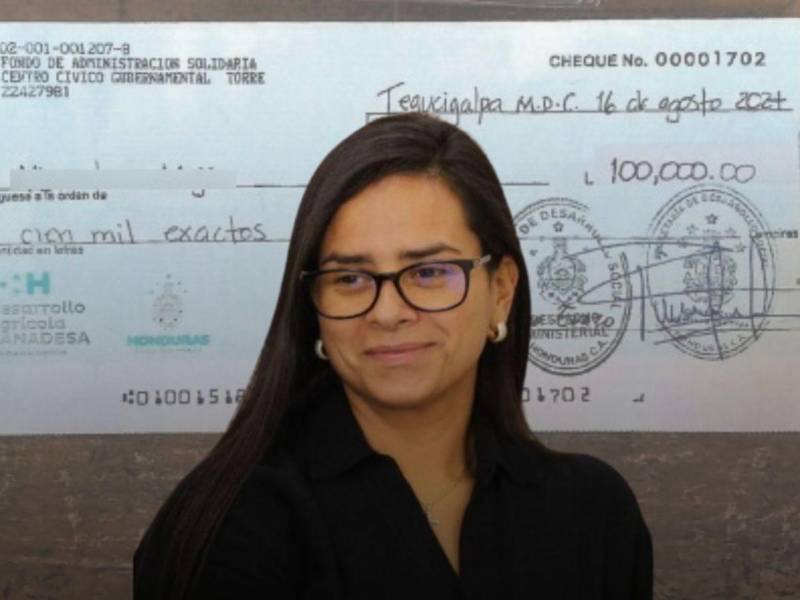
Among the entities specified in the grievance is the Secretariat of Social Development (SEDESOL), which, as stated by the groups, is directing resources towards election-related activities. Additionally, there have been accounts of government teams distributing social assistance adorned with political party emblems, prompting worries about the impartiality of the state machinery during the pre-election phase.
Demands for investigation and warning of recourse to international bodies
Amid the announcement of the grievance, representatives from the civic community called on the Public Prosecutor’s Office to swiftly initiate a probe, emphasizing the institutional seriousness of the situation. “Resources designated for public initiatives and infrastructure projects are being diverted to power LIBRE’s political campaign,” remarked Miriam Díaz, representative for the Observatory. In a similar context, attorney César Medina, counsel for the plaintiffs, labeled the event as “electoral malfeasance with Honduran resources.”
Faced with the possibility of inaction by the competent institutions, the organizations warned that they would turn to international bodies, such as the Organization of American States (OAS) and the United Nations (UN), to request support and oversight. The central argument for this measure is the need to protect the integrity of the electoral process scheduled for November, which could be affected if the separation between state resources and party propaganda is not guaranteed.
Setting of skepticism towards institutions and upcoming electoral events
The grievance arises within a political context characterized by inquiries into public administration, friction between governmental branches, and frequent accusations regarding the selective use of public resources. In this environment, civic organizations are advocating for the enhancement of institutional oversight systems and seeking to prevent the misuse of state machinery for the benefit of specific political agendas.
The closeness of the elections introduces an essential factor to these allegations, since trust in the voting procedure heavily relies on the perception of neutrality and legality in how public resources are used. The specific charge against the executive branch and vital entities like SEDESOL presents difficulties for state monitoring agencies, whose capability to operate independently will be evaluated under public examination.
Related news
Institutional landscape under tension
The scenario illustrates the ongoing challenges in establishing a political system that ensures openness in the administration of state resources, particularly during election times. The grievance by civil society confronts not only the government but also the bodies tasked with upholding legality and democratic equity.
As the election period nears, the scrutiny on supervisory organizations will intensify, considering the widespread call from various community groups for elections devoid of political meddling. Monitoring this grievance will be crucial to evaluate the institutional ability to address behaviors that undermine democratic credibility.