Table of Contents
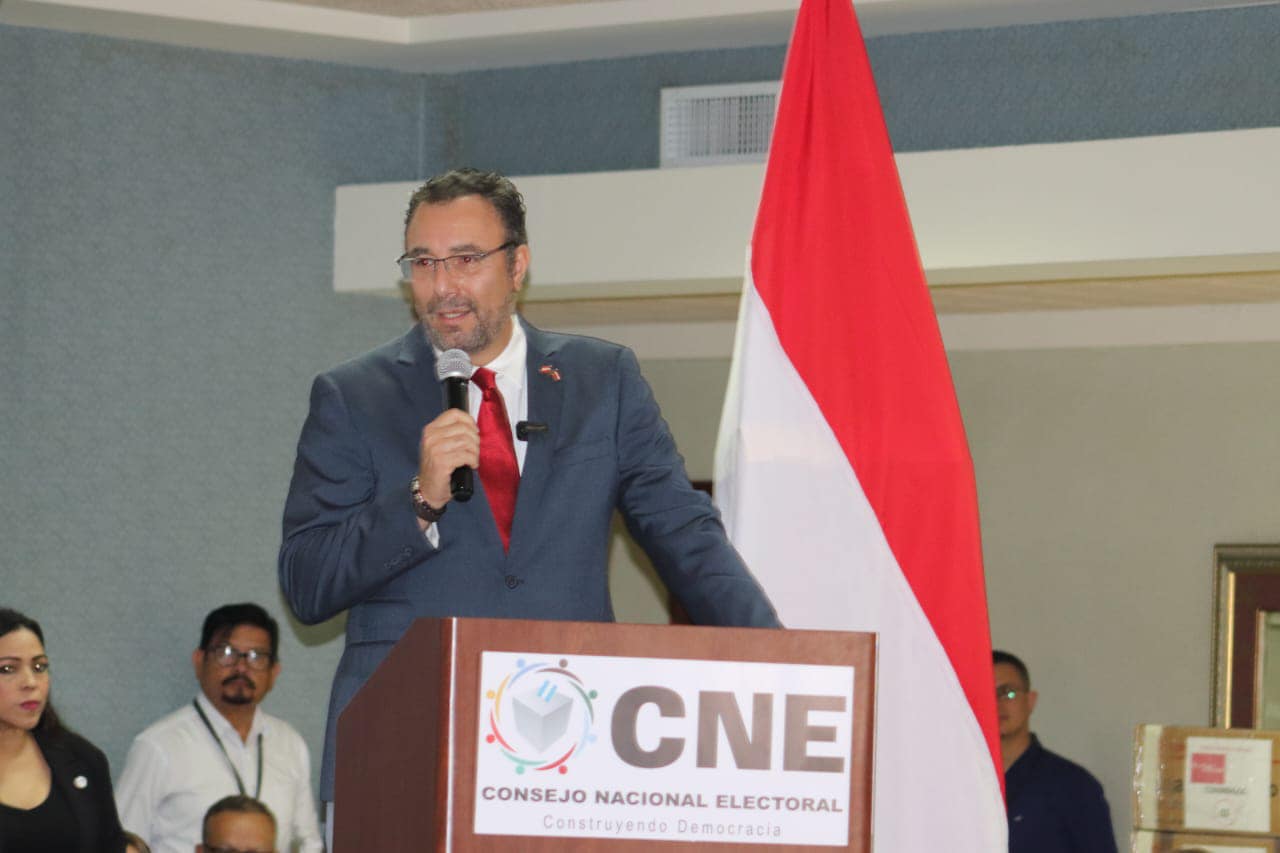
Slightly more than a year before the nationwide elections set for November 30, 2025, Honduras is facing a critical alert regarding the stability of its democratic framework. Experts in politics have highlighted indications of an “overt and blatant conspiracy” jeopardizing the operation of the National Electoral Council (CNE) and, as a consequence, the transparency of the electoral procedures underway.
Allegations of institutional obstruction in the electoral body
Analyst, businessman, and former congressman Olban Valladares has associated the CNE’s inactivity with intentional actions by insiders and outsiders aiming to disrupt the democratic process. In his view, conflicts among the permanent members of the electoral body have hindered critical decisions needed for organizing the elections.
A crucial part of this situation is the continuous lack of substitute judges, notably those affiliated with the governing party, which has hindered the attainment of the required quorum to conduct meetings. Valladares has referred to this inactivity as sabotage that might represent offenses against the democratic framework.
Moreover, there have been reports of political violence, disruptions to the CNE’s operations, and escalating tensions among party factions, all of which contribute to an unparalleled atmosphere of uncertainty in the country’s recent election history.
Political repercussions and public perception
The tensions within the CNE are taking place in a context of public mistrust of institutions, exacerbated by the lack of consensus in the National Congress on the election of key officials of the electoral apparatus. Valladares has criticized the opposition’s passivity in these decisions, which he believes has contributed to the current institutional imbalance.
This situation has caused concern among various sectors of civil society and the political class. The possibility that the crisis in the CNE could drag on could directly affect the legitimacy of the upcoming electoral process. Analysts warn that, if the course is not corrected, Honduras is heading toward a governance crisis with lasting effects on its representative democracy.
Global scrutiny and appeals to reestablish equilibrium
The climate of division and institutional weakness has been observed in the global context.
External organizations and actors have begun to closely monitor events, considering the history of instability in the Central American region and the risk of democratic setbacks.
In this context, various actors have called for the restoration of the CNE’s regular functioning, ensuring its independence and promoting greater citizen oversight of the process. The central demand is to prevent partisan or short-term interests from undermining the country’s constitutional principles.
Related news
Perspectives in a context of heightened institutional pressure
The current situation highlights the structural weaknesses of the Honduran political system, particularly with regard to the balance of powers and the autonomy of electoral bodies. The organization of the 2025 elections thus presents not only a logistical challenge, but also a political and institutional one.
The capacity of the Honduran government to ensure that elections are fair and transparent hinges on how it addresses initial indications of potential unrest. At this point, the nation confronts a crucial decision: adjust its trajectory towards a legitimate electoral process or face the possibility of entering another stage of democratic instability.