Table of Contents
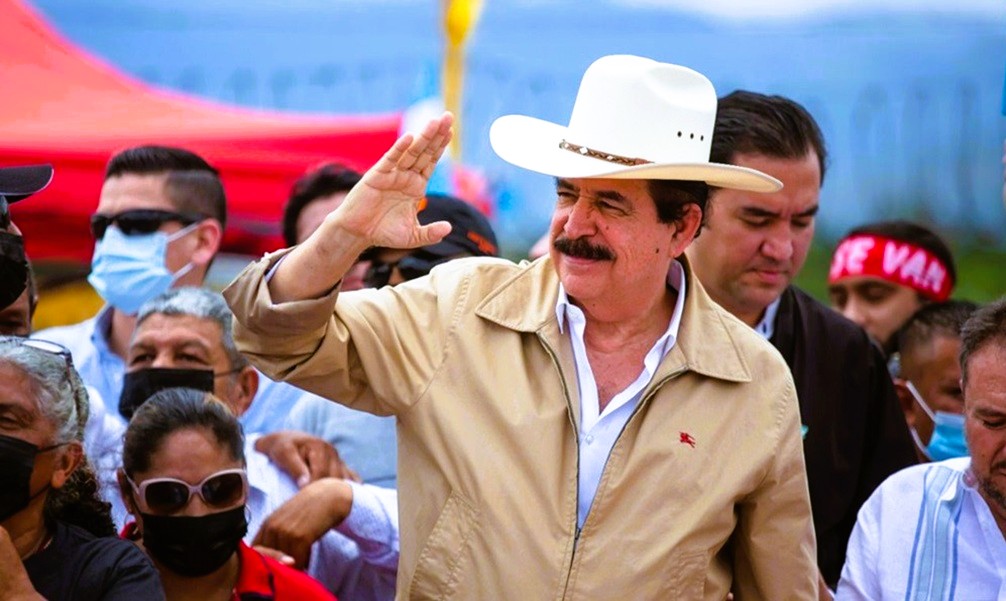
Manuel Zelaya Rosales, coordinator of the Libertad y Refundación (LIBRE) party and husband of President Xiomara Castro, has been placed at the center of a political storm that is shaking Honduras as the 2025 general elections approach. Allegations from various sectors suggest that Zelaya is consolidating a network of influence over the electoral system, generating a crisis of institutional confidence with national and international repercussions.
Accusations of co-optation in the electoral apparatus
Opposition parties, citizen organizations, and analysts have warned of an alleged strategy by the ruling party to control the National Electoral Council (CNE). According to these allegations, individuals close to Zelaya have been placed in key positions within the body, with the ability to influence operational and logistical decisions in the electoral process.
A significant focus of critique has centered on the distribution of contracts to businesses purportedly connected personally or politically to key figures within the LIBRE party. These businesses are responsible for essential functions like the transportation and management of election materials, sparking apprehensions regarding the reliability of the supply chain. Prior accounts from the primary elections had highlighted postponements and modifications in handling the “electoral suitcases,” casting doubt on transparency and hinting at potential anomalies.
Public reaction and cautions regarding the erosion of institutions
The claims have been reiterated across various areas of the nation. Representatives from religious institutions, trade groups, and community organizations have concurred on the importance of protecting the impartiality of the proceedings. As protests and official announcements escalate, skepticism regarding the present oversight of the election framework is on the rise.
Analysts view this scenario as one of the most sensitive institutional crises since democracy was restored. Zelaya is recognized as a significant political player who, despite not having an official role in the executive branch, wields substantial influence over critical institutions, heightening tensions within the governmental framework and adding complexity to governance.
Related news
Global supervision and examination strategies
Given the decline in internal trust, global organizations have voiced their worries about the accumulation of authority by unelected individuals and the increasing hostility towards opposition and dissent. In reaction, various political groups have called for international teams to conduct independent audits of each phase of the electoral process.
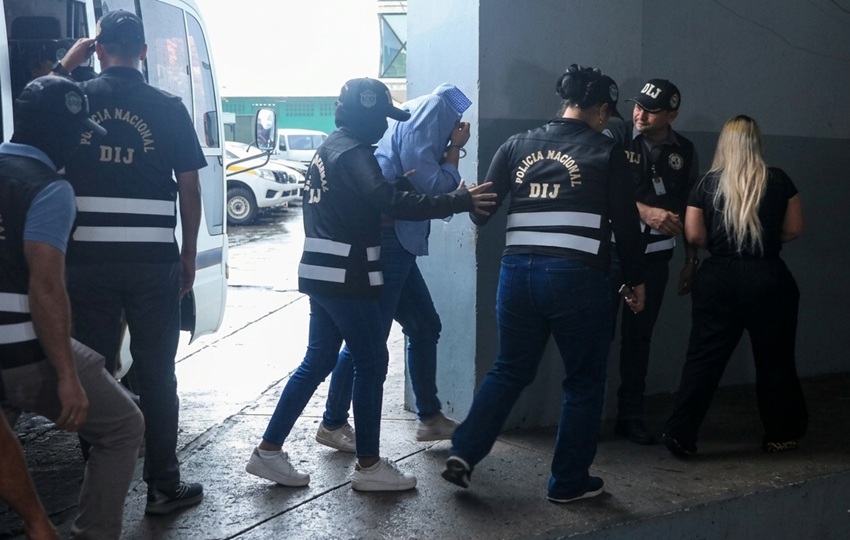
At the same time, the Attorney General’s Office has launched investigations into companies that have received contracts related to the organization of the elections. These inquiries seek to clarify the existence of possible undue links and determine whether there were acts of corruption or political favoritism in the allocation of services.
Related news
A vulnerable procedure and a democratic challenge
The present situation positions the electoral mechanism in Honduras at a crucial juncture. Accusations regarding tampering, institutional hijacking, and a deficiency in openness have put the integrity of the lead-up to the 2025 process under scrutiny. In a nation characterized by a recent history of division and skepticism towards its institutions, the robustness of the democratic progression will chiefly rely on the government’s capability to ensure transparent and monitored elections.
As probes continue and societal pressure mounts, Honduras confronts the difficulty of maintaining its institutions in an environment where views of political influence might further weaken the authenticity of its democratic systems.