Table of Contents
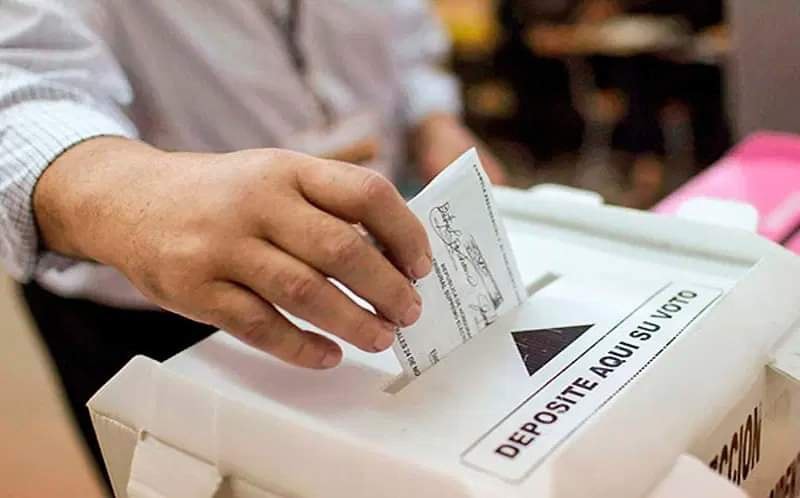
Honduras is getting ready for the nationwide elections scheduled for November 30, 2025, a process that will decide the makeup of the country’s executive, legislative, and municipal branches of government. Citizens will choose the president, 128 members of the National Congress, 20 delegates to the Central American Parliament, 298 mayors, and over 2,000 councilors, in a context characterized by economic, social, and political challenges.
Political and societal setting
The electoral process will take place while the country faces high rates of poverty, insecurity, and an economy affected by dependence on remittances and structural crises. The current government, led by Xiomara Castro and the LIBRE party, faces scrutiny over its performance over the last four years, making these elections a test of governance and institutional consolidation.
For its part, the political opposition seeks to capitalize on popular discontent. Among the main contenders are Nasry “Tito” Asfura of the National Party and Salvador Nasralla of the Liberal Party, accompanied by other minor political actors. The absence of a second round of voting and the fragmentation of the vote introduce a degree of uncertainty into the results.
Regional influence: the situation in Venezuela
Honduras is closely monitoring the political situation in Venezuela and the future of Nicolás Maduro, given that developments in that country may have an impact on regional dynamics and international support during the electoral process. Analysts point out that stability or changes in the Venezuelan administration could affect diplomatic relations and political actors’ perceptions of the democratic climate in the region.
The relationship between the LIBRE party and political circles in Venezuela has been noted as an aspect that might indirectly affect electoral strategy, voter mobilization, and the global discourse regarding the transparency of the procedure. This factor contributes to the complexity of the political landscape in Honduras, where public engagement and confidence in electoral institutions are key concerns.
Related news
Difficulties in governance and elections
November 30th will serve as an examination of the nation’s institutions, due to the necessity of guaranteeing clear and trustworthy procedures in a politically divided atmosphere. The organization of the elections, oversight of the voting, and the National Electoral Council’s capacity to manage the day’s challenges will be crucial for validating the outcomes.
Likewise, the economic and social context conditions the perception of voters, who evaluate the government’s performance in the face of daily challenges of insecurity and employment. The combination of internal and regional factors creates a scenario in which the election results will reflect not only political preferences but also confidence in the state’s ability to maintain stability and governance.
The present perspective indicates that the 2025 elections could be pivotal for Xiomara Castro’s leadership and the LIBRE party, as the opposition aims to strengthen its presence. The combination of national and regional influences, along with the public’s views on institutional transparency, will determine the political and social trajectory for Honduras in the future.