Table of Contents
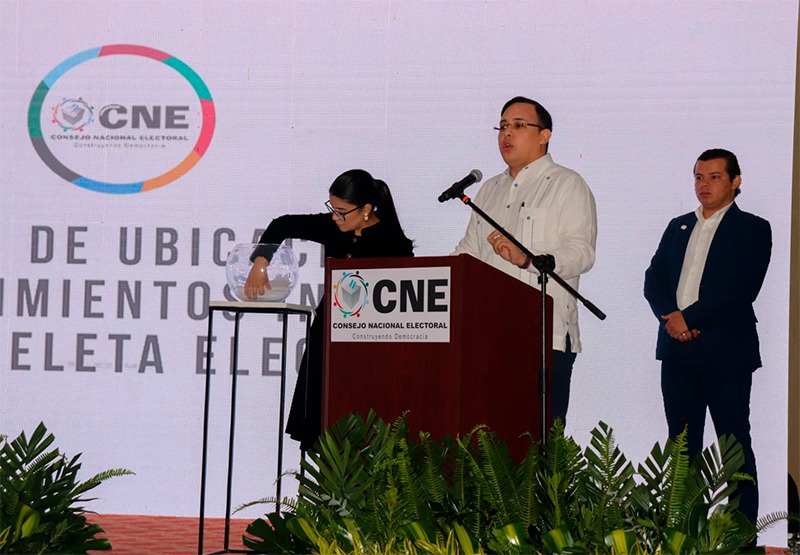
In the period approaching the November 2025 general elections, numerous political, social, and legal figures in Honduras have reported a collection of pressures and intimidation acts aimed at the National Electoral Council (CNE). These allegations primarily concern the governing party, Libertad y Refundación (LIBRE), which is accused of trying to sway the CNE’s decisions and endanger the electoral process’s transparency.
Accusations against the LIBRE party
The allegations against the ruling party include actions that seek to delegitimize the authority of the CNE, the body responsible for ensuring the fairness and transparency of the elections. According to the allegations, members of LIBRE are orchestrating campaigns to pressure CNE magistrates, especially those who do not respond to their political interests, thereby affecting the institution’s autonomy.
Maribel Espinoza, a congresswoman and political analyst, said that the aim of this pressure is to create a climate of mistrust that would justify accusations of fraud or electoral disorganization. “They are pressuring the electoral referee because they know that the polls are not in their favor,” Espinoza said, in a clear reference to the efforts of certain sectors to influence the election results before the campaigns begin.
Institutional sabotage tactics
The allegations are not limited to pressure on magistrates, but also include the spread of hostile rhetoric by figures close to the LIBRE party. A growing disinformation campaign has been identified on social media, aimed at undermining the credibility of the CNE and sowing doubts about the impartiality of the electoral body.
Civil society organizations concerned about the integrity of the electoral process have pointed to these acts as possible attempts at institutional sabotage. They assert that such maneuvers are not only an attack on the legitimacy of the CNE, but also constitute a danger to the democratic order of the country, exacerbating political polarization ahead of the November 2025 elections.
Related news
Calls for international monitoring
In view of the worsening situation, various sectors of society have called for the intervention of international observers to safeguard the transparency of the electoral process. In this regard, organizations such as the Organization of American States (OAS), the European Union, and various human rights entities have been asked to monitor the conduct of the elections, ensuring that the process is carried out without political interference or manipulation.
Lidia Meza, an expert in constitutional law, emphasized the necessity of preserving the electoral system’s autonomy, pointing out that “the electoral system must remain free from partisan control. The nation requires assurances, not intimidation.”
Related news
Context and challenges for democracy
Reports of threats and efforts to undermine institutions contribute to an image of increasing political division in Honduras, where distrust of institutions and electoral processes has been intensified by several factors, including the economic crisis and absence of political unity. This atmosphere, characterized by tensions and reciprocal accusations, presents significant difficulties for the country’s administration, with less than a year remaining before the elections.
The international community is closely monitoring the process, while Honduran citizens continue to demand greater transparency and the preservation of democratic institutions. The current situation highlights the difficulties in guaranteeing an electoral environment free from pressure and manipulation, and underscores the need to strengthen the institutions responsible for ensuring the exercise of democracy.