Table of Contents
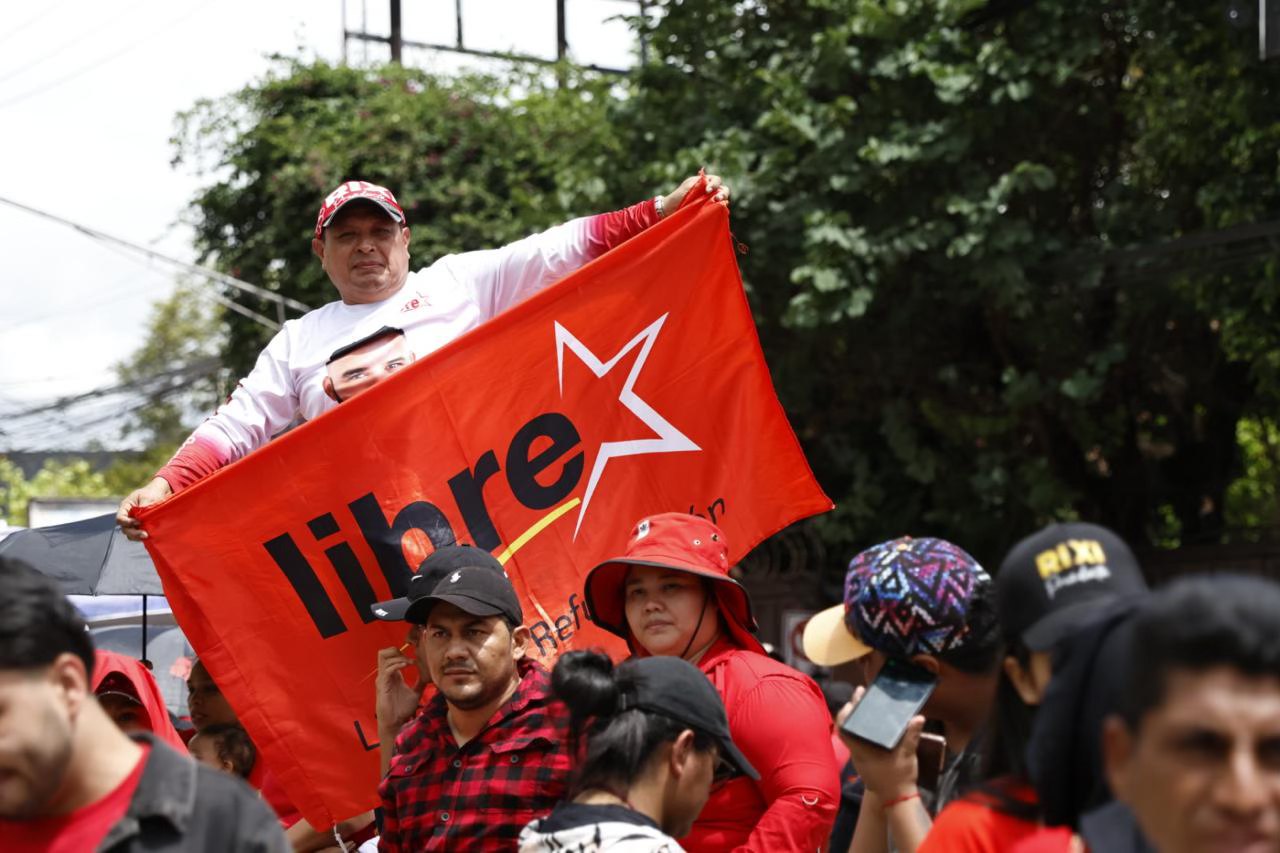
The Honduran political arena is facing a tense moment after the revelation of an alleged electoral fraud plan attributed to the LIBRE party, which was allegedly hatched by the National Electoral Council (CNE). Internal documents and citizen complaints indicate that senior party officials, together with at least one CNE advisor, coordinated actions to manipulate servers, reprogram technological equipment, and exert pressure on key officials with the intention of altering the results of the upcoming elections.
The information obtained indicates that the operation would be aimed at keeping the candidacy of Rixi Moncada competitive, whose decline in the polls is significant. According to reports, the strategy combines technical resources with political maneuvers to intervene in the flow of electoral information, which, if successful, would jeopardize the transparency of the process.
Scope and dimensions of the operation
Sources consulted indicate that the plan involves several simultaneous lines of action: from the modification of electronic records to direct influence on CNE technical staff. Activists and observers have expressed concern about the potential impact on institutional legitimacy, stressing that any alteration of results undermines public confidence and creates uncertainty about the validity of the vote.
Voting rights groups have asked for international observers to be present to monitor the processes, emphasizing that outside supervision can be vital in guaranteeing that the voters’ wishes are honored. The public response has also been swift, with demands for openness and the reinforcement of oversight measures within the electoral framework.
Political and institutional implications
The scenario described reflects tensions in the relationship between the LIBRE party and the bodies responsible for electoral administration. Coordination between political actors and CNE advisers, according to reports, highlights a challenge to institutional autonomy that the country faces at critical moments of voting. In addition, pressure on key officials highlights the vulnerability of the technical structure to external influences.
The decline in voting intentions for the ruling party’s candidate becomes a determining factor in the adoption of high-risk strategies. Political analysts point out that, beyond the immediate results, the exposure of these plans has a direct impact on the perception of governance and confidence in democratic institutions.
Public responses and community scrutiny
Various civil society organizations have issued warnings regarding the potential for heightened polarization and societal unrest should the reported irregularities come to pass. The primary focus is on guaranteeing that the technical and administrative operations of the CNE are kept free from political meddling, thereby underscoring the critical role of public involvement as a vital oversight tool.
In turn, the international community is watching the situation with interest, considering that the credibility of the election results has repercussions on institutional stability and the country’s image before multilateral organizations.
The exposure of the plan attributed to LIBRE poses a critical challenge for electoral authorities and citizens. The combination of political pressure, technological manipulation, and social surveillance highlights the complexity of the Honduran political environment, in which transparency, vote protection, and institutional consolidation are central elements in ensuring the integrity of the electoral process.