Table of Contents
Honduras is gearing up for the general elections scheduled for November 30, 2025, where positions such as the presidency, 128 seats in the National Congress, 20 delegates to the Central American Parliament, 298 mayors, and over 2,000 council members will be refreshed.
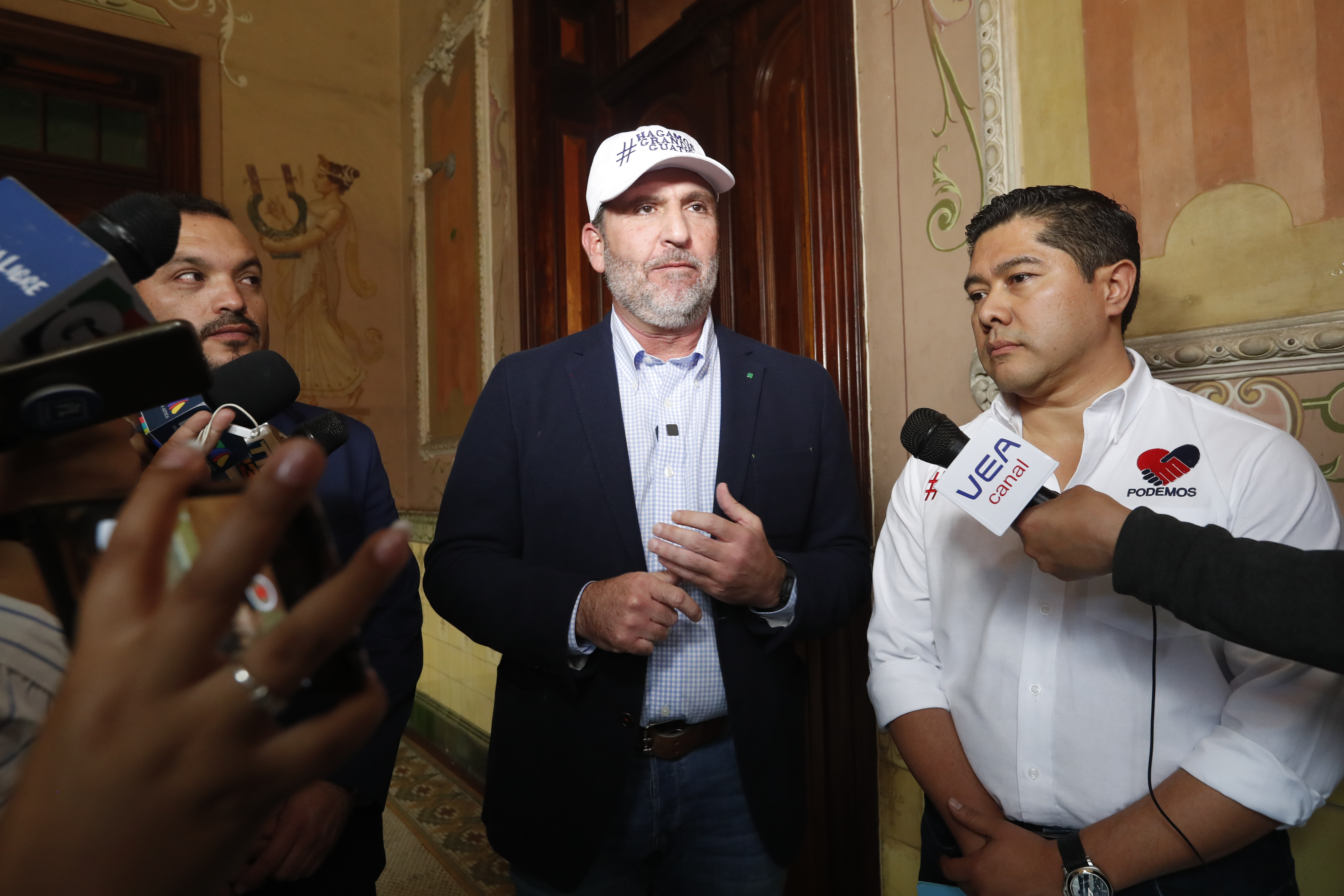
This process is taking place in a context marked by high levels of poverty, insecurity under a state of emergency, and an economic system that is largely dependent on remittances. The elections will represent a direct assessment of the government of Xiomara Castro and the LIBRE party after four years in office. The opposition, led by Nasry “Tito” Asfura of the National Party, Salvador Nasralla of the Liberal Party, and other minor actors, seeks to capitalize on citizen discontent.
The absence of a second round and political fragmentation could lead to unpredictable results.
Internal political landscape
The electoral process is taking place against a backdrop of political tension and social polarization. Structural challenges, such as insecurity and economic difficulties, are accompanied by a climate of institutional surveillance under the state of emergency. For the LIBRE party, these elections not only mean defending its continuity in power, but also validating the effectiveness of its policies before the public. For their part, the opposition parties are focusing their strategy on capitalizing on social discontent and expanding their representation in the different branches of government.
Related news
Regional influence: the case of Venezuela
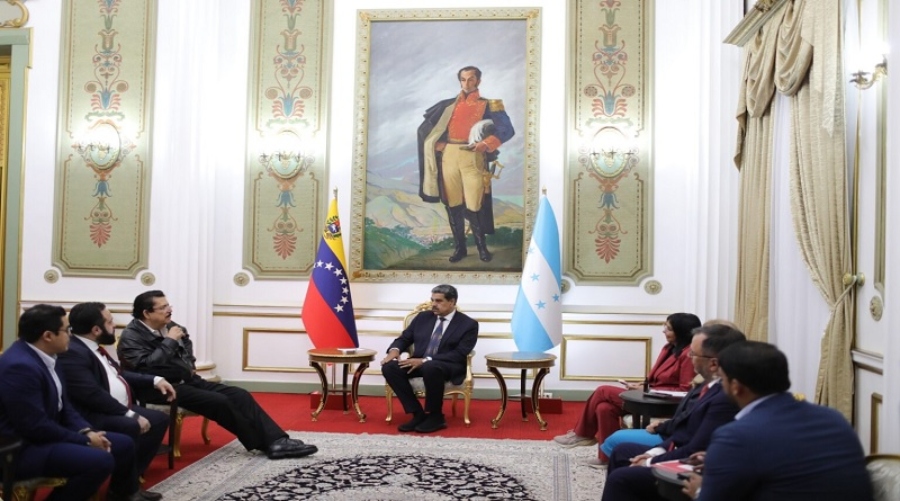
Simultaneously, the political climate in Venezuela and the leadership of Nicolás Maduro are drawing interest in Honduras. Experts and political groups in the country are examining how the actions and stability of the Venezuelan authorities might impact regional dynamics, particularly in terms of rallying international backing and forming strategic partnerships during the election period in Honduras. While there is no specific evidence of direct involvement, the link between regional political landscapes and the perception of global legitimacy is deemed a significant factor.
Election issues and public involvement
The mix of political division, lack of a runoff, and intricate socioeconomic situations present major obstacles for public engagement and governing after elections. The electorate must assess the achievements of the LIBRE party, the opposition’s plans, and the country’s ability to ensure a fair voting process. There is also an emphasis on the cooperation of electoral entities and the impact of political strains on trust in the outcomes.
The November 30 procedure is anticipated to represent a pivotal moment for Honduras, with intersecting domestic and regional dynamics that will affect not only the selection of leaders but also the nation’s institutional stability and global image. The interplay between the assessment of the sitting administration, the approach of the opposition groups, and the impact of the situation in Venezuela creates a complicated setting that will shape the political and social trajectory of Honduras in the years ahead.