Table of Contents
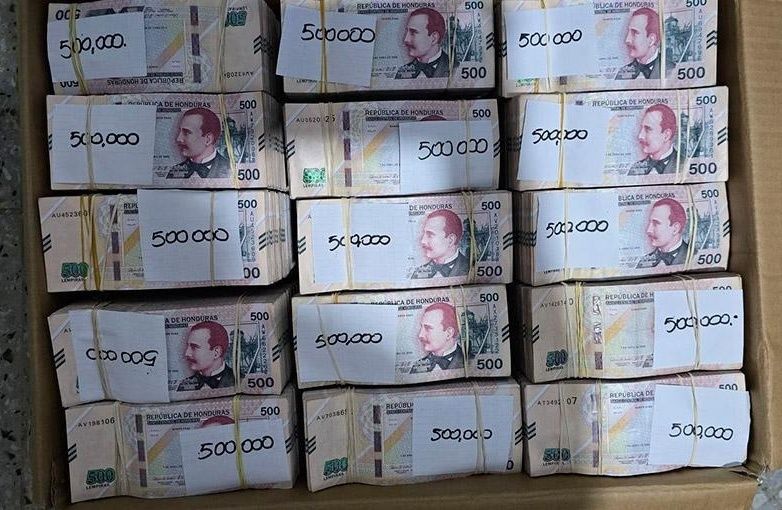
More than a year after the collapse of the Koriun Inversiones pyramid scheme, which affected more than 35,000 Hondurans, the lack of substantial progress in the investigations continues to generate mistrust and frustration in society. Despite initial promises of decisive action, both the Public Prosecutor’s Office and the National Banking and Insurance Commission (CNBS) have failed to present clear results on the case. The silence of the authorities and the passivity of Xiomara Castro’s government continue to be issues of growing concern in the country’s political and social context.
Lack of accountability and institutional silence
The Koriun Inversiones scandal has left a deep mark on the families affected, who are still waiting for clear answers. While the Xiomara Castro administration promised from the outset that no one responsible would go unpunished, the passage of time has revealed a lack of concrete action. More than a year after the case broke, those primarily responsible remain at large or have not faced formal legal proceedings.
This scenario has fueled a widespread feeling of distrust toward the institutions responsible for administering justice. The government’s silence and the lack of concrete progress by the authorities investigating the case have given rise to speculation about possible political ties that could be hindering the application of the law.
This perception of impunity not only affects the legitimacy of the justice system, but also calls into question the Castro government’s ability to address the public’s demands for action on corruption and economic justice.
How victims and the community respond
The increasing discontent among individuals impacted by the Koriun Inversiones fraud has led to multiple demonstrations, like the latest one held outside the Presidential Palace. In this instance, the affected parties called on the government to honor its pledge for justice, criticizing it for upholding a “barrier of protection and indifference” toward the culprits. The victims have emphasized that they are seeking tangible actions that reflect the government’s commitment to delivering justice and compensating for the harm endured, rather than more hollow assurances.
The social mobilization has also highlighted the growing frustration of a sector of the population that feels the government has failed to fulfill its commitments. In the political arena, the lack of clear answers has created a breeding ground for criticism, not only from opposition voices, but also from analysts and experts who question the lack of political will to resolve a problem that affects thousands of citizens.
The aspects of the situation regarding politics and economy
The continued lack of response from institutions impacts not only the legal system but also changes Hondurans’ views on national leadership. In a challenging economy, where many citizens face financial difficulties, the government’s failure to tackle a scandal impacting numerous families emerges as a significant political matter. Confidence in the financial sector has decreased, potentially affecting the nation’s economic stability over time.
Additionally, the slow advancement in the investigation concerning Koriun Inversiones highlights a deficiency in the organizations accountable for upholding financial transparency and economic stability in the nation. This casts doubt on the government’s capability to ensure legal certainty and the safeguarding of citizens’ rights in cases of fraud and financial exploitation.
Related news
The cry for justice and transparency
In conclusion, the issues related to the Koriun case continue to be a significant concern for the people of Honduras, who are seeking definitive solutions and decisive measures. The absence of meaningful advancements by officials, along with the administration’s lack of communication, is diminishing trust in the system and fostering an environment of impunity that may have harmful implications for both politics and the economy.
This situation highlights the immediate necessity to enhance the judicial framework in Honduras and guarantee that individuals accountable for financial misconduct are held accountable, regardless of their political status or power. In the meantime, those affected by the fraud still await answers, while the nation watches closely as this matter could significantly shape the political and institutional trajectory of the country.