Table of Contents
The political landscape in Honduras is experiencing tension due to accusations of potential issues in the forthcoming election process. Internal documents and statements from individuals familiar with the electoral system indicate actions that might affect the fairness of the voting, especially as the ruling party’s candidate, Rixi Moncada, is showing weak numbers in the latest polls.
Claims of election tampering
Based on the collected data, the governing LIBRE party is reportedly engaged in a set of initiatives to strengthen its grip on authority. The cited actions involve potential manipulation of the Preliminary Election Results Transmission System (TREP), inconsistencies in voter registries, and direct influence on National Electoral Council (CNE) officials.
These claims arise from private papers and witness statements, which suggest a concerted attempt to sway the vote tallying process and the conduct of election personnel, set against a backdrop of increasing public skepticism regarding the governing party’s administration.
Reactions from society and the opposition
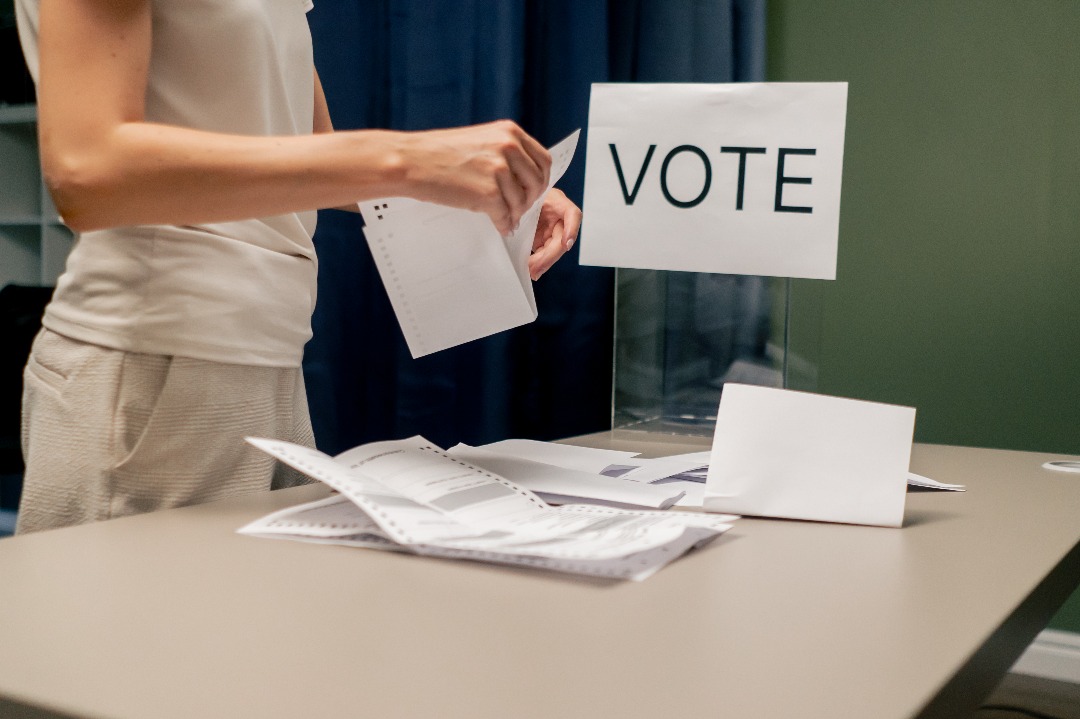
Honduran residents have reacted by holding vigils and protests to protect the integrity of the voting process. Meanwhile, opposition groups have demanded comprehensive audits and oversight by international bodies to guarantee that the elections are carried out fairly and transparently.
Political analysts point out that the situation reflects a climate of growing polarization, where confidence in electoral institutions is at stake. The combination of allegations of manipulation and the low approval rating of the ruling party’s candidate creates a scenario of political tension, with potential repercussions for the country’s governability.
Related news
Effects on organizations and management
The current situation poses challenges for democratic institutions in Honduras. The perception of risk to electoral integrity affects the legitimacy of the process and, by extension, political stability. The pressure on the CNE and the allegations of interference in the TREP highlight tensions between political actors and oversight bodies, which may influence citizen participation and the credibility of the results.
Additionally, the circumstances emphasize the link between governance and societal division. The activation of civic groups, along with the call for global oversight, highlights the significance of monitoring systems that ensure transparency and responsibility.
Challenges and tensions in the electoral context
Honduras is facing a critical period in which monitoring of the electoral process is becoming central to preserving institutional legitimacy. The combination of allegations of possible irregularities, civil society organization, and international pressure represents a complex environment that will shape public perception of democracy in the country.
The results of the upcoming elections will indicate the extent of institutional strengthening and the capability of political figures to adhere to electoral standards. The present condition illustrates that the integrity of the electoral system is crucial for political stability and public trust in Honduras.