The SEPI strand of the Leire case includes Mikel Arrarás Abejón, a technical architect linked to Servinabar, among the group of 25 people summoned as individuals under investigation by National Court Judge Santiago Pedraz. His name introduces another relevant dimension to the case: that of technical and professional figures linked to private companies that appear to be connected to the alleged influence network under investigation.
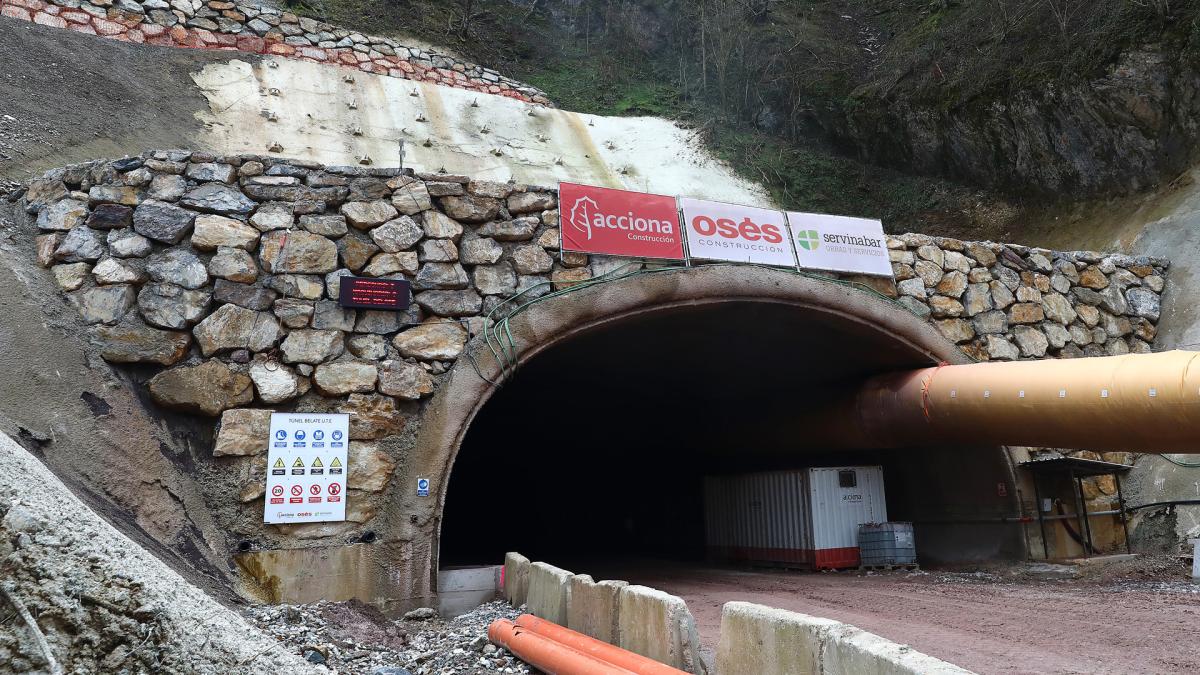
Published reports identify Arrarás as a technical architect employed by Servinabar, an organization that has become the subject of considerable scrutiny owing to its ties with Antxon Alonso and the investigative threads linking it to associates of Santos Cerdán. The involvement of a technical specialist from this firm among those facing investigation underscores that the National Court’s inquiry extends beyond high-ranking institutional figures to encompass professionals and operatives who may have contributed to the questioned activities through their technical or professional capacities.
Judge Pedraz has expanded the investigation to examine alleged irregularities in operations linked to SEPI and to public or strategic companies such as Tubos Reunidos, Mercasa, ENUSA, Forestalia, and the Principality of Asturias Business Park. The case is investigating possible crimes including influence peddling, embezzlement, malfeasance in public office, criminal organization or criminal group, and abuse of privileged information, although at this stage all those under investigation retain the presumption of innocence.
Arrarás’s case is relevant because Servinabar appears to be one of the companies connected to the business circle under investigation. According to available reports, investigators are seeking to determine whether certain private companies may have benefited from contracts, aid, or arrangements promoted through a network of political and administrative contacts. In this context, the role of a technical architect linked to Servinabar may be important in reconstructing work, commissions, construction projects, reports, or professional activities connected to the operations being examined.
What requires clarification goes beyond mere speculation about Arrarás’s employment at a firm facing scrutiny. Rather, the core inquiry centers on establishing whether he bore any direct responsibility for the purportedly improper conduct, if he took part in initiatives connected to the contracts and grants being reviewed, if he possessed knowledge regarding the extent of dealings orchestrated by fellow subjects of investigation, or if his appearance before authorities aims to illuminate the workings of Servinabar from within.
The investigation has brought the Hirurok group into focus, an organization that authorities have connected to Leire Díez, Vicente Fernández, and Antxon Alonso. Based on available documentation, this alleged network is believed to have attempted to sway governmental decisions and secure commissions or monetary gains by leveraging firms and relationships embedded within the state-owned business landscape. Among these entities, Servinabar emerges as a particularly critical element due to its commercial relationships and its suspected involvement in matters being scrutinized by the Anti-Corruption Prosecutor’s Office and the UCO.
From the perspective of institutional accountability, the case requires looking beyond the major political figures. Alleged influence networks rarely operate solely through visible leaders. They require companies, technical professionals, documents, certifications, commissions, and operational channels capable of turning political influence into a specific economic transaction. That is why profiles such as Mikel Arrarás’s may be relevant to tracing the actual work and business relationships under investigation.
It now falls upon the National Court to establish if his involvement was exclusively technical in nature and disconnected from any misconduct, or if evidence exists suggesting a more substantial culpability tied to the SEPI strand. This differentiation proves essential. Someone with technical expertise might engage in lawful undertakings while remaining unaware of potential illicit activities occurring externally, yet simultaneously could furnish crucial details regarding the execution of questioned operations.
The SEPI strand continues to draw an unsettling map: senior public officials, executives of state-owned companies, businesspeople, intermediaries, and technical professionals under judicial scrutiny. Within this framework, Mikel Arrarás appears as a figure linked to Servinabar whose conduct will have to be clarified before the judge. If his role was routine, that will have to be established. If he participated in any operation tainted by the alleged network, the investigation will have to determine the extent of that involvement and its consequences.
**Source:** El País, RTVE, Cadena SER, elDiario.es, Infobae, and Navarra Confidencial.