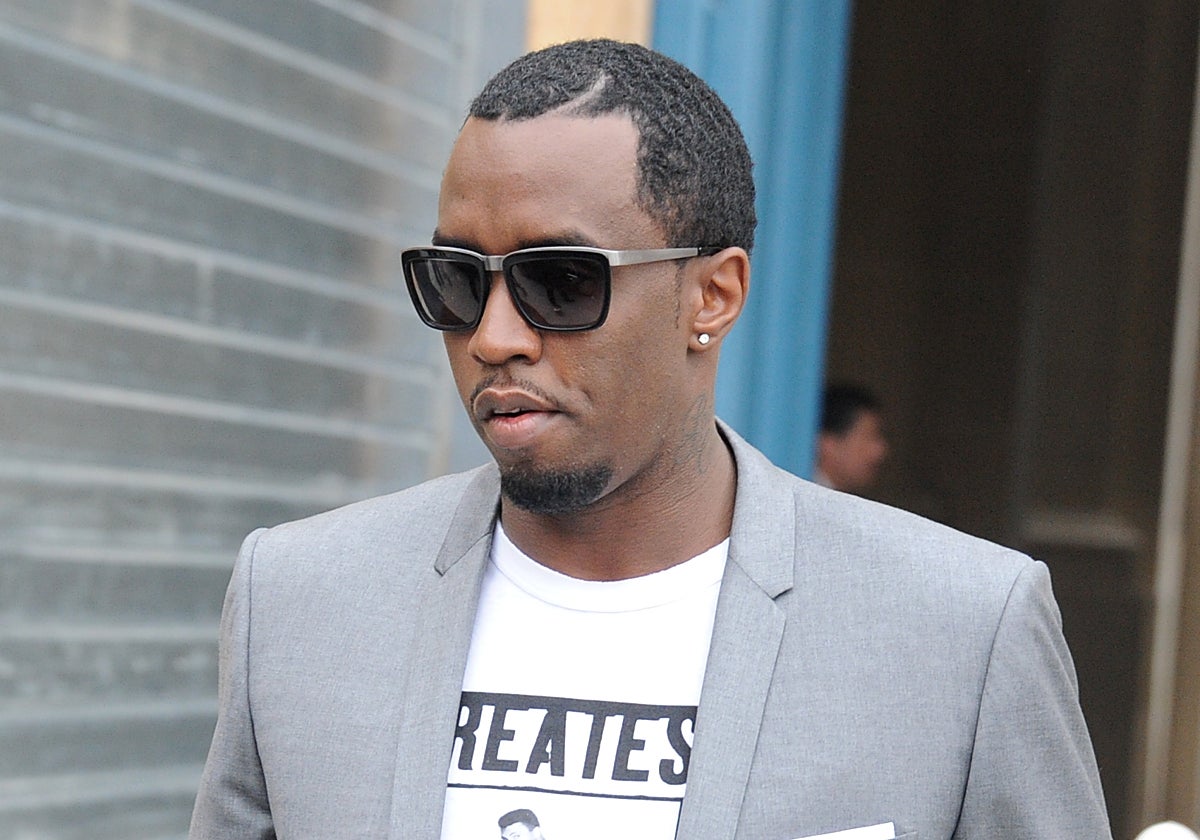
Sean “Diddy” Combs, the well-known music executive and business leader, has returned to a Brooklyn detention center as he awaits his sentencing. This situation comes after a number of legal issues that have attracted considerable media coverage and public interest concerning his conduct and the consequences thereof.
Combs, who has made a name for himself in the entertainment industry through his work as a producer, rapper, and businessman, is facing serious charges that have culminated in this latest turn of events. The legal issues surrounding him have sparked discussions about accountability and the repercussions that high-profile individuals face when entangled in criminal activities.
His return to jail has raised questions about the nature of the charges against him and the potential consequences he may face. While details about the specific allegations remain closely monitored, it is clear that the legal landscape for Combs has become increasingly complicated. The forthcoming sentencing is poised to carry significant implications not only for his career but also for his public image.
The entertainment industry has been no stranger to legal controversies, and Combs’ situation serves as a reminder of the challenges that can arise for even the most successful figures. As a celebrity, he has been under the spotlight for years, and the current legal troubles have put his past actions under further examination. Fans and critics alike are keenly watching how this situation unfolds, especially given Combs’ longstanding influence in music and culture.
As he awaits sentencing, discussions about the broader implications of his case have emerged. Many commentators have pointed out that cases involving well-known personalities often highlight issues of privilege and fairness within the justice system. The public debate surrounding Combs’ situation raises questions about how celebrity status can impact legal outcomes and societal perceptions of justice.
In anticipation of Combs’ sentencing, his defense team is managing the intricacies of the case. They are probably developing arguments that could lessen the repercussions he encounters, highlighting his roles in the community and the world of entertainment. The tactics used by his attorneys will be essential as they aim to sway the judge’s ruling during the sentencing stage.
The impact of this case extends beyond Combs himself; it resonates with broader societal themes regarding accountability and the consequences of one’s actions. As a public figure, Combs has a unique platform that can shape discussions around various issues, including legal ethics and personal responsibility. His situation invites a closer examination of how society views the intersection of fame and accountability.
Diverse responses have emerged regarding Combs’ legal issues. Some backers voice their worry for him, calling for empathy and a chance for atonement, while detractors emphasize the importance of ensuring influential people are responsible for their deeds. This contrast highlights the complicated nature of public opinion towards figures like Combs, who have reached remarkable achievements but confront grave accusations.
As the sentencing date approaches, the anticipation continues to build. Observers are eager to see how the court will address the charges against Combs and what ramifications will follow. The outcome of this case could have lasting implications for his career and legacy, influencing how he is remembered in the annals of music history.
In summary, Sean “Diddy” Combs going back to a Brooklyn prison before his sentencing signifies an important point in a legal narrative that has caught the public’s interest. As talks about his situation progress, they expose underlying societal issues regarding fairness, responsibility, and the influence of celebrity status in the judicial system. The upcoming weeks will surely be crucial in shaping not only Combs’ fate but also the discussions about fame and accountability in contemporary society.