Table of Contents
Several months prior to the general elections, the electoral system in Honduras is experiencing a phase of significant pressure. Numerous political groups and societal figures have claimed that the LIBRE party might be organizing unauthorized activities related to overseas voting and the handling of databases within the National Registry of Persons (RNP).
Allegations of manipulation of overseas votes
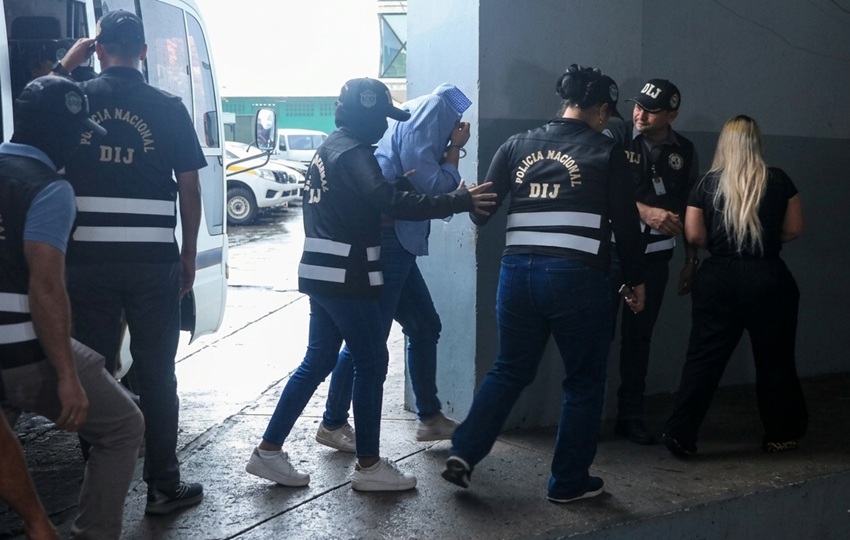
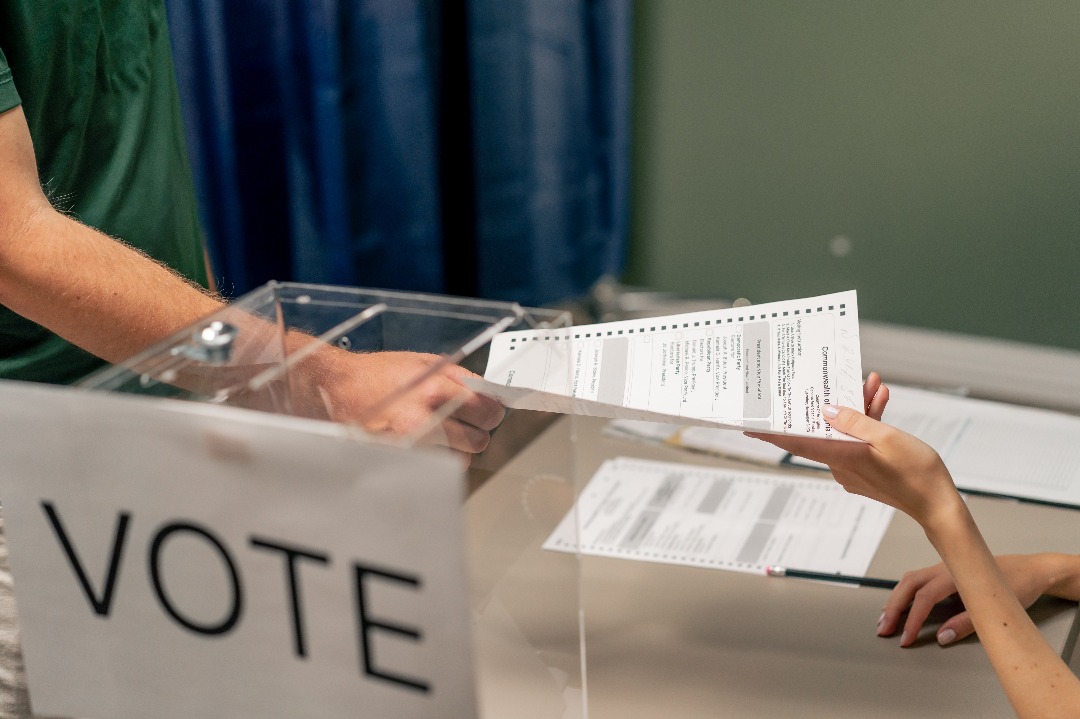
Public allegations point to a coordinated operation to hack into the RNP database with the aim of ensuring that votes cast by Hondurans living abroad are used irregularly. These accusations focus on the possibility of alterations to the voter registry, which would jeopardize the transparency and legitimacy of the electoral process.
Presidential candidate Salvador Nasralla has warned about the misuse of identity documents of citizens abroad to implement a scheme that, according to his statements, compromises the right to a clean and fair election. These concerns reflect the political sensitivity surrounding the participation of the Honduran diaspora in the vote.
LIBRE’s response and political tension
Faced with the accusations, the LIBRE party has denied any wrongdoing and maintains that its actions seek to defend democracy against attempts at sabotage. The political party insists that there is no manipulation of data or alteration of the overseas vote, in a context where polarization between political sectors and civil society has intensified.
Nonetheless, the dispute has triggered demonstrations and appeals for urgent action by different social stakeholders. The calls emphasize the need for electoral officials to promptly verify the accuracy of the RNP’s data and guarantee that the elections proceed under circumstances of equity and openness.
Related news
Implications and challenges for institutional governance
The episode poses a significant challenge for the electoral system and supervisory institutions. The perception of possible fraud or irregularities in overseas voting may affect public confidence in the electoral process and generate tensions between political parties, electoral bodies, and citizens.
Specialists consulted in this situation highlight that the trustworthiness of the RNP and the involvement of the electoral judiciary will be crucial in maintaining governance and preventing the political rivalry from escalating into more extensive institutional confrontations. The engagement of citizens and the supervision by both national and international observers seem to be essential components in confirming the legitimacy of the process.
The present scenario emphasizes the delicate nature of trust in voting systems and the necessity for prompt and clear actions from responsible authorities. Within this framework, Honduras is at a pivotal point to guarantee that the elections adhere to the standards of clarity, equity, and legality, giving special consideration to the involvement of Hondurans living overseas.