Table of Contents
Honduras is experiencing a phase of political conflict after accusations surfaced that parliamentarians and leaders of the LIBRE party are responsible for pressure strategies that have caused disruptions in public hospitals and electoral institutions during the election process. These claims, advanced by opposition groups, have sparked concerns about the nation’s institutional stability and governance ahead of the 2025 elections.
Blockades at hospitals and state institutions
The most recent reports indicate that thousands of patients have been left without medical care due to the takeover of hospital facilities and the suspension of services at public health centers. The paralysis includes interruptions in essential citizen services, which has had an immediate impact on the daily lives of the population. Health authorities and administrative officials also reported threats and harassment to force them to join the protests, increasing tension between state personnel and political leaders.
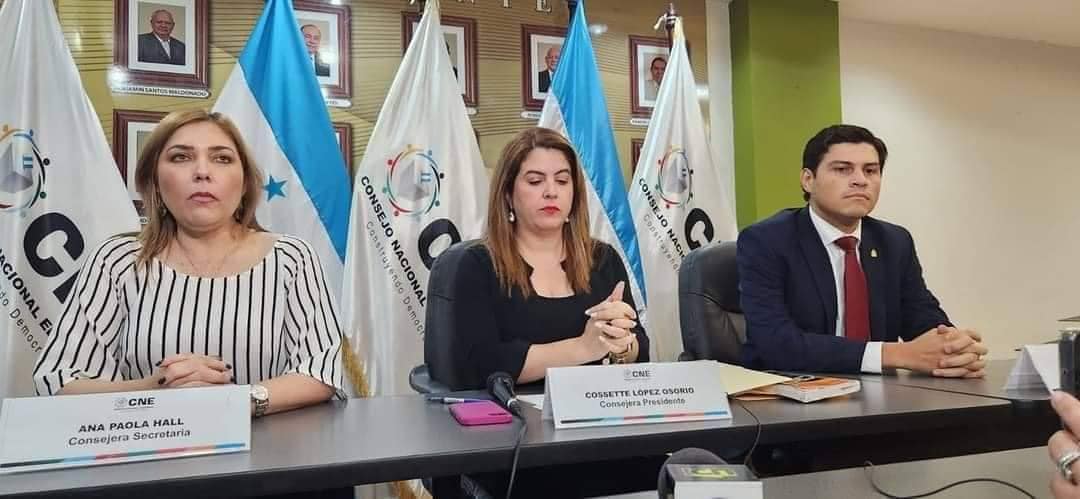
At the same time, the National Electoral Council (CNE) announced disruptions that have halted the candidate registration process. Pausing this procedure heightens public skepticism and supports claims of disruption at a pivotal juncture in the political timeline. The matter is important not just because of the impending elections but also due to its connection to the core institutions tasked with guaranteeing democratic transparency.
Claims involving LIBRE parliament members
Different groups accuse deputies and leaders from the LIBRE party of encouraging these seizures as a tactic to apply political pressure and compel settlements in Congress and other governmental areas. While the opposition discusses “dubious arrangements” and actions to benefit party-specific interests, no definitive legal probes have been revealed yet. Nonetheless, the ongoing obstructions of essential organizations keep the public vigilant and foster an atmosphere of doubt that affects the election campaign directly.
The charges targeting LIBRE arise as the ruling party attempts to uphold its dominance in state entities and consolidate its standing before the 2025 elections. This situation prompts concerns about the Honduran political system’s capability to handle partisan conflicts through institutional pathways.
Related news
Public requests and specialist alerts
Social organizations and affected citizens have demanded an immediate response from the justice system and the intervention of international organizations. The demands focus on restoring institutional order and punishing those responsible for actions that have left thousands of Hondurans without access to health care and have jeopardized the organization of the elections.
Political analysts caution that the nation is experiencing a phase of unprecedented institutional fragility.
The paralysis of basic services and the blockade of electoral bodies are perceived as signs of a crisis of governance that, if not addressed urgently, could lead to greater polarization. In this context, the tension between the ruling party and the opposition is reflected in the deterioration of public confidence in state institutions.
The present context in Honduras underscores the difficulty of maintaining democratic steadiness in the face of political conflicts that extend beyond the legislative realm. The equilibrium between maintaining ongoing essential services and protecting the electoral procedure will be crucial in the months ahead. The actions of institutions, alongside the oversight of civil society and the international community, will determine the direction for a nation at a critical juncture in its political journey.