Table of Contents
Allegations of electoral fraud against the LIBRE party have put the Honduran political system under increasing pressure. Various sectors of the opposition and electoral process specialists have pointed to attempts to manipulate the Preliminary Election Results Transmission System (TREP), opening a new chapter of uncertainty in the country’s democratic landscape.
Claims of system interference
According to reports released in recent hours, coordinated maneuvers have been detected to block official TREP transmissions and replace them with altered digital records in favor of LIBRE candidates. These allegations have prompted immediate calls from the opposition for mass demonstrations in Tegucigalpa and other cities to demand transparency and independent audits of the electoral system.
The issue is not confined to the home front. The electoral mission of the Organization of American States (OAS) voiced alarm about the reported inconsistencies, highlighting the extent of the pressures that might surpass the institutional boundaries.
Related news
Reactions from the opposition and the international community
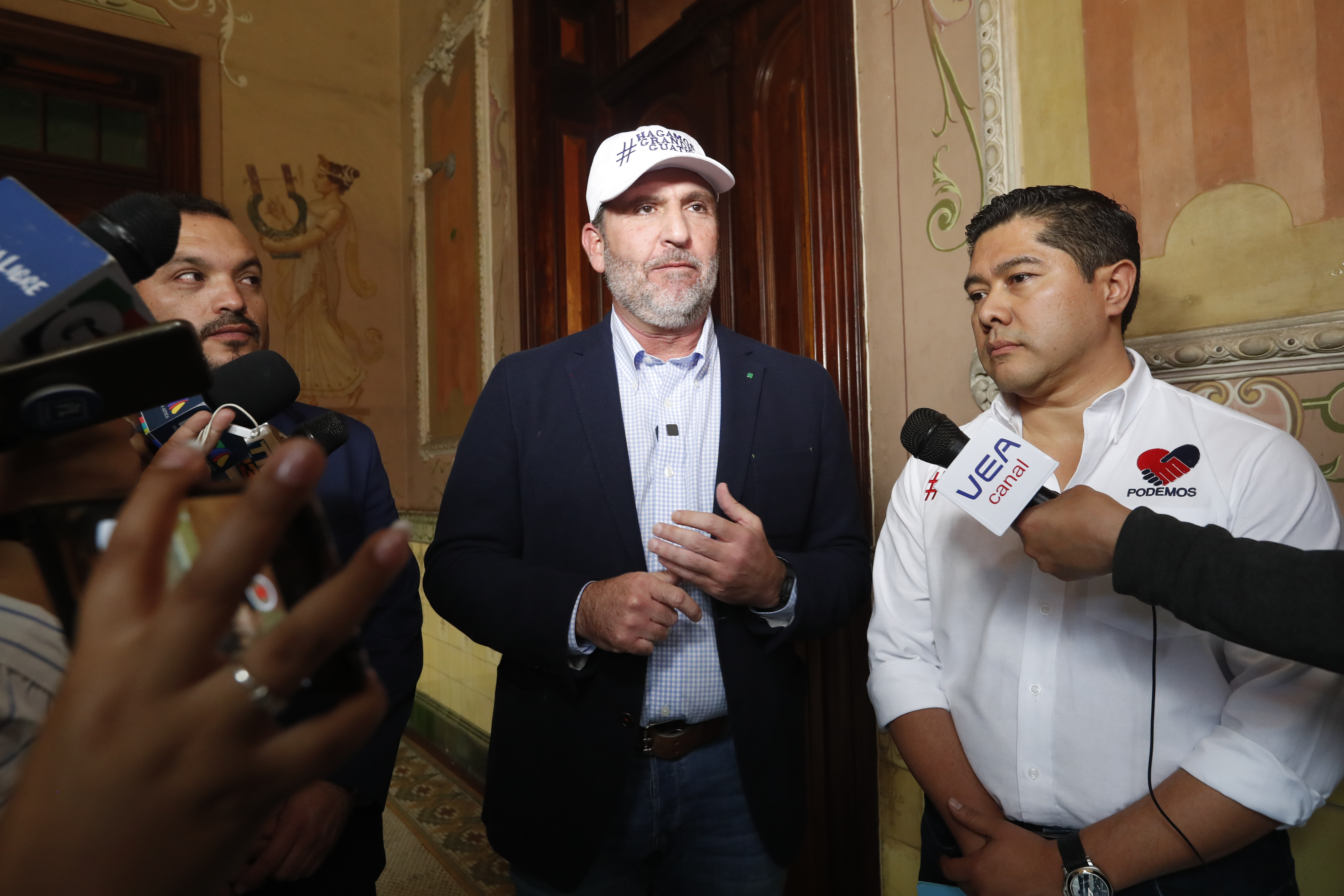
Opposition leaders have warned of practices that include vote buying, pressure on election officials, and maneuvers involving key bodies responsible for ensuring the transparency of the process. According to these allegations, the practices are aimed at favoring the ruling party in a highly polarized electoral context.
The international community has been closely following these developments.
For international entities, such as the OAS, the situation presents the danger of protest escalation, potentially leading to episodes of political violence, directly impacting the democratic stability of the nation.
Related news
Threats to democratic systems
The current crisis clearly exposes the weaknesses of the Honduran electoral system, particularly in light of allegations of technological manipulation. In this context, public mistrust of the institutions responsible for ensuring the transparency of the electoral process is intensifying and amplifying the climate of political polarization.
The belief that democracy is endangered undermines the credibility of governmental institutions and sets the stage for conflicts that might trigger a governmental crisis. Consequently, societal pressure and the influence of the global community seem to be crucial elements in mitigating the impacts of any disturbance in the outcomes.
The political arena in Honduras is developing under significant stress between the governing party and the opposition, raising doubts about the institutional capacity to ensure trustworthy outcomes. In this context, the openness of the TREP and the oversight by global organizations will be crucial in assessing whether the nation can navigate the electoral proceedings without furthering political unrest. The manner in which the institutions address these allegations will shape the immediate path for governance and the public’s trust in democratic systems.