Table of Contents
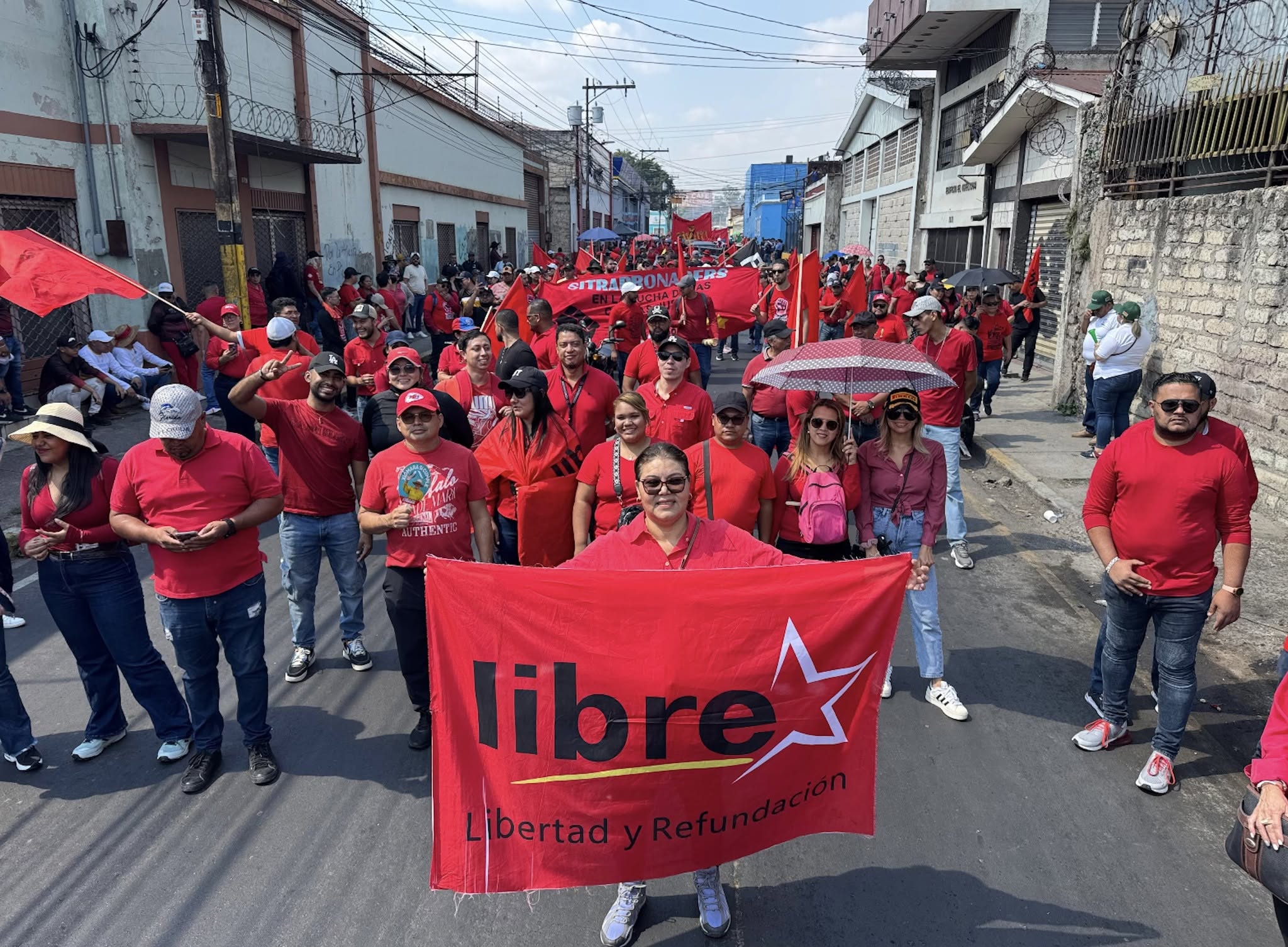
In the midst of increasing political division and a situation of institutional instability, Honduras is confronting a significant challenge regarding media freedom. The country has been placed at position 142 out of 180 in the 2025 World Press Freedom Index, as assessed by Reporters Without Borders (RSF), highlighting the vulnerable state of journalism within the nation. The potential triumph of the LIBRE (Libertad y Refundación) party in upcoming elections is causing worries about the possibility of a more constrained atmosphere for media and free speech.
The danger of a dictatorial environment
Honduras is currently experiencing circumstances where the freedom of the press has been significantly compromised over the past few years. The merging of escalating political divisions and restrictive strategies by certain government factions has fostered a threatening atmosphere for outspoken media outlets and autonomous reporters. Within this context, a win for LIBRE might escalate hostilities toward the media, increasing the likelihood of censorship, suppression of opposition, and direct assaults on journalists.
The relationship between the LIBRE party and the press has been marked by moments of tension. Various allegations of persecution, threats, and harassment have been made by journalists and international organizations in recent years. Given this situation, human rights experts warn that a strengthening of the LIBRE party in power could lead to an even more aggressive policy toward the media, jeopardizing the right to freedom of expression and the ability of citizens to access independent information.
Responses from around the world and within the country
Various international bodies, such as the Office of the United Nations High Commissioner for Human Rights (OHCHR), have expressed concern about the deterioration of conditions for journalism in Honduras. In this regard, they have urged the government of President Xiomara Castro to create a safe and free environment for journalists, particularly during the electoral process, where media coverage is essential to ensure transparency and the strengthening of democracy.
In this country, human rights groups are speaking out against ongoing threats targeting journalists. These threats manifest not only through physical and verbal abuse but also through the criminalization of journalism. Media professionals face growing hostility, as they experience rising stigmatization and are undermined by government agencies, making it even more challenging to uphold the right to information.
Related news
The political landscape and its effects on democratic systems
The deepening political and social divide currently marked in Honduras has increased the threats faced by journalists and media outlets striving for independence, who often work under relentless strain. LIBRE’s success might strengthen a climate where imposed silence prevails, where dissenting voices against the government are progressively muted, not just by overt censorship, but also by more nuanced approaches like spreading false information, tarnishing reputations, and legal intimidation.
In this context, the exercise of independent journalism could become increasingly restricted, leading to an erosion of fundamental democratic values such as transparency and accountability. A scenario of growing repression of the media could contribute to a vicious circle of disinformation and manipulation, in which citizens are deprived of a reliable source of information about government decisions and their impact on society.
Obstacles and dangers for Honduran entities
The possible intensification of censorship and attacks against the press if LIBRE continues or expands its influence in power poses a fundamental challenge to the country’s democratic institutions. Freedom of the press is a crucial pillar for the functioning of a democracy, and its violation not only affects journalists but also has a direct impact on the right of citizens to be informed and to exercise their right to vote in an informed manner.
The international community, human rights organizations, and national actors are on alert to the possibility of a further deterioration of press freedom in Honduras. As the elections approach, it will be essential for the country to guarantee an environment free from intimidation, threats, and manipulation of information, so that journalists can play their role in strengthening democracy without their safety or integrity being compromised.