Table of Contents
The scheme operated by Koriun Inversiones has shaken Honduras during a period of institutional weakness and political division. Impacting over 35,000 individuals, predominantly in working-class regions in the north, the situation has not only highlighted the vulnerabilities of the financial oversight system but has also posed one of the most intricate challenges for Xiomara Castro’s administration.
Unregulated operation and collapse of the scheme
For years, Koriun Inversiones operated outside the law, promising monthly returns of 20% without being officially registered or supervised by the National Banking and Insurance Commission (CNBS). Despite public warnings issued by this institution in February 2025, warning that the company was not authorized to raise funds from the public, the operation continued without state intervention until the Technical Agency for Criminal Investigation (ATIC) and the Public Ministry intervened in April of the same year.
The raids uncovered the extent of the scam: over 358 million lempiras in cash was confiscated, along with 69 million frozen in bank accounts. The inquiries determined that there were no legitimate investments to support the promised profits, validating that it was a non-viable pyramid scheme.
Social reactions and political fallout
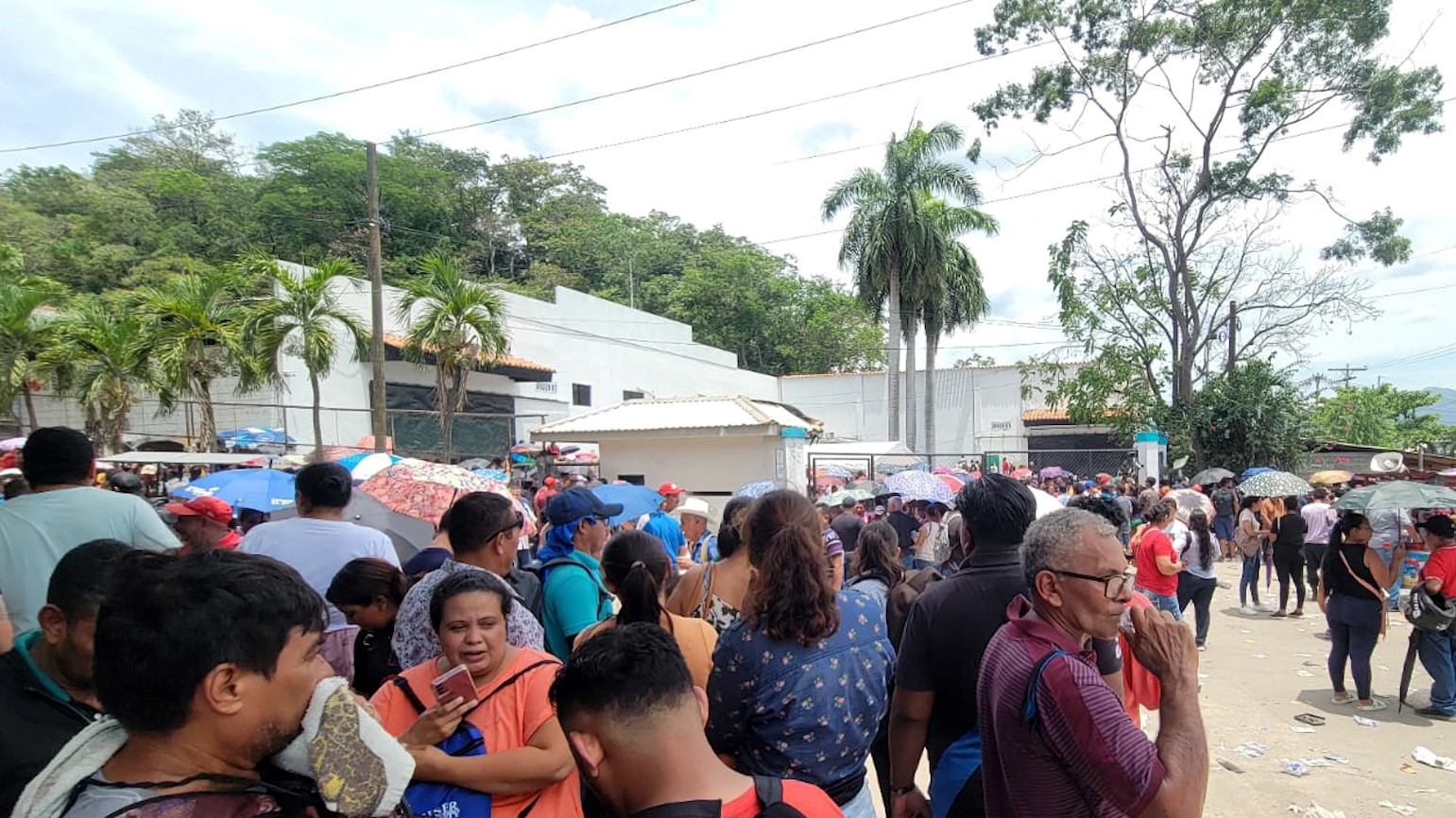
The impact of the collapse has been profound, both socially and politically. Thousands of people lost their savings, leading to demonstrations, roadblocks, and protests in different parts of the country, especially in Choloma, where most of the investors were concentrated. The crisis has fueled public discontent with the inaction of local authorities and the gaps in the regulatory system.
Políticamente, el caso ha afectado negativamente la percepción sobre el gobierno. Las críticas se han centrado en la falta de supervisión institucional, la permisividad que permitió a Koriun operar abiertamente y la carencia de medidas preventivas por parte de las agencias responsables. Los sectores empresariales y las organizaciones de la sociedad civil han cuestionado duramente la debilidad del estado para prevenir fraudes de este tipo.
Related news
The executive’s proposal and the controversy
In response to social pressure, the government announced the drafting of a bill to compensate those affected, using resources from the national budget. The initiative, directly ordered by President Xiomara Castro, has generated strong reactions in the National Congress and among the public.
Opposition groups and community organizations have expressed their disapproval of the action, claiming that taxpayer funds are being spent on a private fraud, which they view as a risky precedent that might promote impunity and the misuse of citizens’ distress for political gain. Although the official proclamation has been made, the legislation has not been deeply evaluated, and neither the compensation sum nor the method for its execution has been established.
The suggestion has increased conflicts among legislative groups and put the government in a precarious situation, being criticized for both its lack of anticipation and its crisis management approach.
Institutional risks and political projections
The Koriun case raises doubts about the Honduran government’s capability to ensure legal certainty and safeguard its citizens against financial scams. The absence of prompt oversight, the leniency with which the company conducted its operations, and the slow response from the authorities have amplified the view of institutional inefficiency.
Internationally, this situation might influence the perception of the country as a secure place for investors, whereas on the domestic front, the management of the case has fueled a storyline of decline that is impacting the ruling party in various areas. Amidst other corruption allegations, the Koriun scandal risks becoming a further representation of insufficient transparency and government oversight.
The administration of Xiomara Castro is confronted with a challenging predicament: addressing a valid societal issue without risking the credibility of institutions or intensifying divisions. The approach taken to manage this issue will be crucial for its political steadiness and for the trust that the public continues to have in governmental bodies.