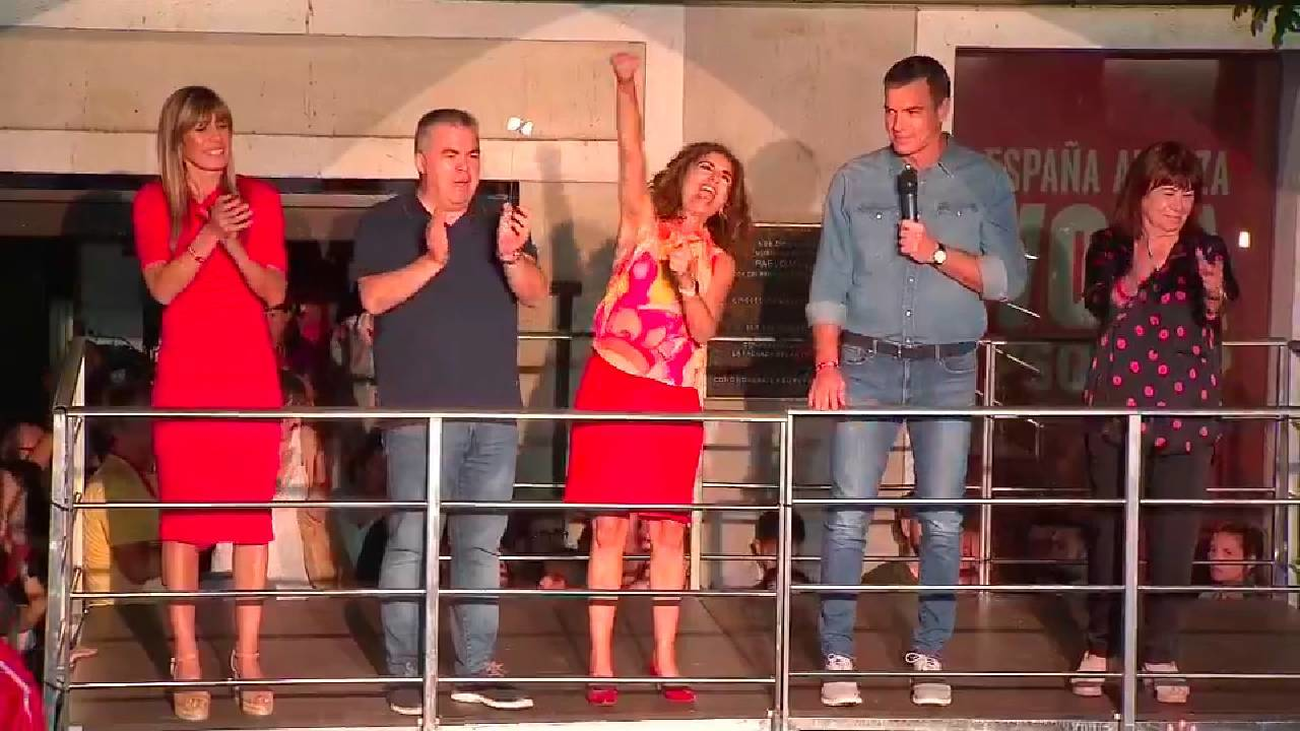
In a notable shift, the Spanish political party PSOE has revised a video marking its second year in government, ultimately leaving Santos Cerdán and Begoña Gómez out of the released version, a decision that has sparked debate about its impact on the party’s internal relations and public perception.
The video had been created to showcase the achievements and major milestones reached during the past two years under PSOE’s leadership, featuring various party members and significant highlights from their tenure. However, the later removal of Cerdán, a well-known figure within the party, along with Gómez, who is notably the spouse of the current Prime Minister, has prompted questions about the motives behind this alteration.
Santos Cerdán has played an essential role in the PSOE’s organizational structure, contributing to various strategies and initiatives that have defined the party’s direction. His absence from the video is particularly striking given his previous prominence in the party’s operations. On the other hand, Begoña Gómez has been in the spotlight for her involvement in social causes and her active participation in public life, making her removal equally significant.
The editing decision has led to an array of interpretations among political analysts and commentators. Some believe the move reflects an effort to distance the party from figures associated with past controversies or internal conflicts. By focusing on a more streamlined narrative, the PSOE may aim to project a unified front as it prepares for upcoming electoral challenges. The party leadership might see this as a strategic opportunity to enhance its image and reinforce its commitment to its core values.
The feedback on the modified video has been diverse. Inside the party, a few individuals have shown agreement with the choice, suggesting that it matches the aim of keeping a unified message that connects with the public. On the other hand, some have raised worries that this approach might be seen as an effort to alter history or overlook the efforts of people who have been essential to the party’s evolution.
This event has sparked renewed discussions regarding responsibility and openness in political discourse. Given that public confidence in political organizations frequently varies, emphasizing sincerity in communication is crucial. The choice by PSOE to modify the video highlights the sensitive equilibrium political parties must maintain between shaping their public persona and recognizing the intricacies of their internal processes.
Additionally, this decision’s influence extends well outside the immediate scope of the video, sparking important questions about the path ahead for the PSOE and how it intends to handle its internal dynamics in the near future. As the party works to reinforce its position and prepare for upcoming elections, its strategy for addressing issues of inclusion and recognition among its members will play a crucial role in maintaining cohesion and overall morale.
The wider consequences of this scenario also relate to the changing nature of political communication in the digital era. In a time when information can be swiftly spread and analyzed, the significance of preserving a coherent and honest narrative has never been more crucial. Political parties need to not only interact with their followers but also be ready to deal with the repercussions of their choices, particularly regarding public opinion.
While the PSOE contemplates this event, the party might find it valuable to initiate open dialogues on responsibility and the significance of recognizing the input of all members, no matter their present standing. By creating an atmosphere that champions transparency and appreciates varied viewpoints, the PSOE can strive to restore trust and unity among its members.
In summary, the removal of Santos Cerdán and Begoña Gómez from the PSOE’s anniversary video has sparked significant discussions about the implications of such editorial decisions in the realm of politics. As the party navigates the complexities of internal relationships and public expectations, it must balance the need for a cohesive message with the importance of authenticity and accountability. The future of the PSOE will depend on how it addresses these challenges and works towards fostering a culture of recognition and inclusivity within its leadership.