Table of Contents
In 2025, the Ministry of Foreign Affairs and International Cooperation approved regulations on diplomatic and official passports, igniting a debate about how far public office privileges should extend in Honduras. The rules specify that former heads of the branches of government and former Foreign Ministry officials can keep their diplomatic passports for life, a benefit that also applies to their spouses.
The provision was approved through Agreement No. 001-SG-2025, signed on May 6, 2025 by then-Foreign Minister Eduardo Enrique Reina García and subsequently published in the official gazette La Gaceta on June 14, 2025. The document establishes the rules for the issuance and use of diplomatic and official passports, which are intended to facilitate the international travel of officials on government missions.
The matter has resurfaced after a recent announcement by the Ministry of Foreign Affairs calling on former officials to hand back these documents, a move that has pushed the breadth of the exemptions outlined in the regulations to the center of the discussion.
Extent of the Benefit Available to Former Officials
The regulations describe the diplomatic passport as a document granted by the Ministry of Foreign Affairs to officials performing official duties overseas, designed to ease their international travel and allow them to obtain diplomatic courtesies from other states.
However, Article 13 of the regulations introduces a specific provision stating that:
Former leaders of the government branches and their spouses, along with former secretaries and undersecretaries of state within the Ministry of Foreign Affairs and International Cooperation and their spouses, are granted the lifelong privilege of holding a diplomatic passport.
In administrative terms, this clause means that certain former officials may retain the document even after leaving office, with no subsequent obligation to return it.
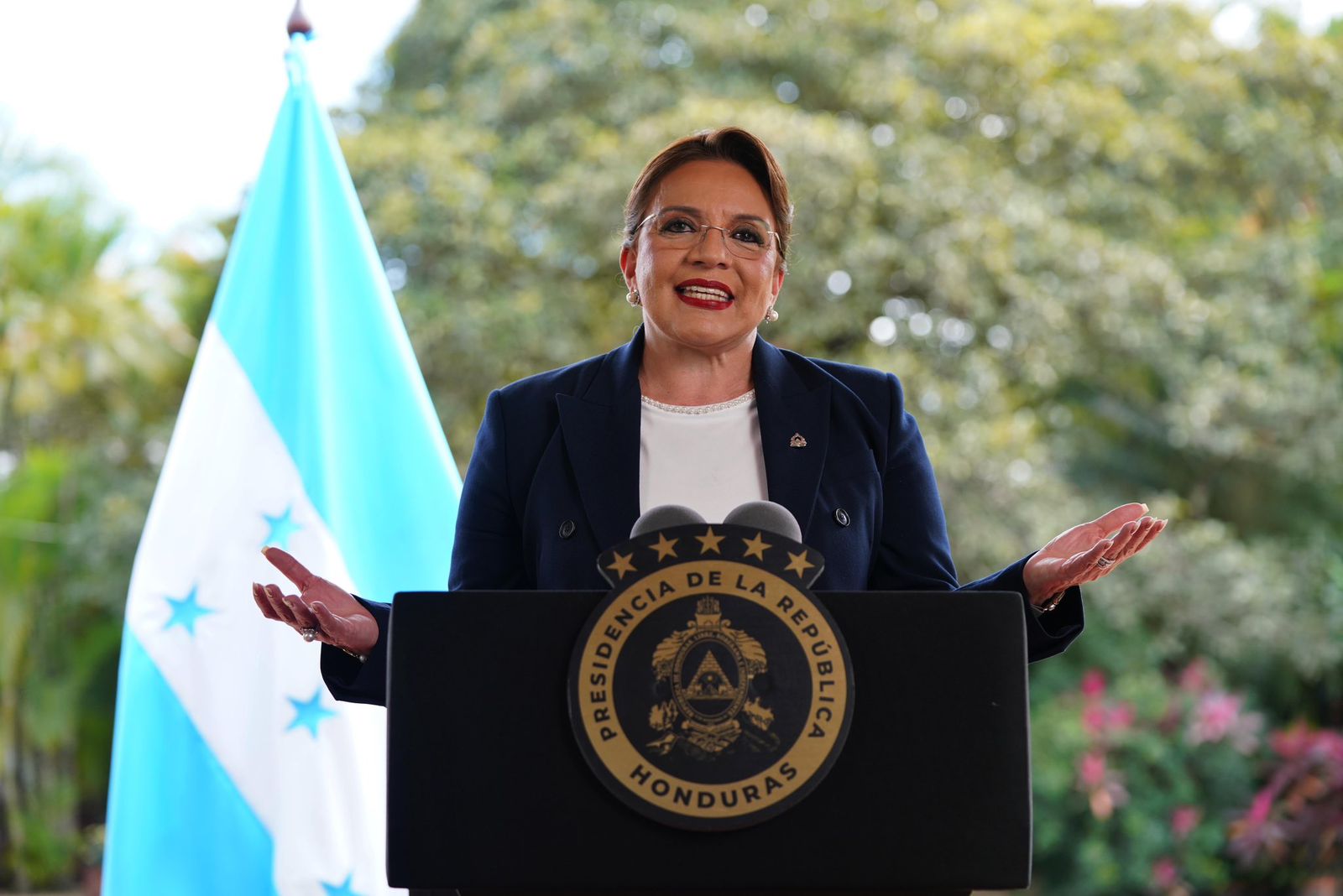
Among the individuals who might qualify for this provision are the former President Xiomara Castro, the former head of the National Congress Luis Redondo, and the current President of the Supreme Court of Justice Rebeca Ráquel Obando.
The benefit also extends to former officials of the Ministry of Foreign Affairs, including Enrique Reina himself, as well as former Deputy Foreign Ministers Gerardo Torres, Cindy Larissa Rodríguez, and Zulmit Solemit Rivera Zúniga. According to the regulations, this privilege also extends to their spouses, broadening the scope of the benefit beyond those who directly held public office.
This provision received approval several weeks prior to Reina submitted his resignation on May 27, 2025, at which point he revealed his involvement in the electoral race as a vice-presidential contender on the slate led by Rixi Moncada, a representative of the LIBRE party.
Related news
Diplomatic Role and Organizational Application of the Document
The regulations published in La Gaceta state that the diplomatic passport is issued to facilitate the work of representing the State abroad and to request cooperation and protection from authorities in other countries during official missions.
Although holding this document does not automatically imply diplomatic immunity, it has long been linked to functions of state representation or to particular missions sanctioned by the government.
According to international relations experts repeatedly referenced by RCV, administrative procedures in many nations indicate that diplomatic passports are rescinded when an official’s term concludes, intended to ensure the document is not employed for private matters or beyond authorized functions.
The inclusion of a lifetime clause therefore introduces a distinct modality into the administrative regulation of the document within the Honduran state apparatus.
Petition for Reinstatement and Managerial Strains
Discussion over the regulations grew more intense after a statement released by the current Foreign Minister, Mireya de Agüero, in which former officials from the previous administration were instructed to return the diplomatic and official passports issued during that period.
The Ministry of Foreign Affairs set a deadline of March 31 for the surrender of these documents to the Passport Unit, citing the same regulation approved in 2025.
However, the regulations outline clear exceptions: former officials granted the privilege of a lifetime diplomatic passport are exempt from returning it. This scenario has generated administrative tension, as the overall request to hand back these documents contrasts with the permanent benefit maintained by this particular group of former officials.
The timing surrounding the regulation’s approval and the foreign minister’s later decision to step into the electoral race has also drawn attention in public discussions. The agreement was finalized on May 6, 2025, less than three weeks before the official stepped down to join the political campaign associated with the LIBRE party.
Various analysts have interpreted this episode as part of a broader discussion on the relationship between public office and administrative privileges. The fact that the benefit is for life—that is, that it remains in effect even after the official ceases to exercise state responsibilities—raises questions about the limits of such provisions within public administration.
In a national context marked by debates on institutional framework, administrative transparency, and the use of public resources, the 2025 regulation has sparked a discussion about the role of diplomatic instruments and their relationship to the temporary exercise of state functions. The issue has also reignited the debate over whether the benefits associated with public office should continue after a term ends or be strictly limited to the period during which officials perform their duties within the government structure.