Table of Contents
The Ayotzinapa incident, one of Mexico’s most infamous unsolved cases in recent years, centers around the vanishing of 43 learners from the Ayotzinapa Rural Teachers’ College in Iguala, Guerrero, in September 2014. This situation has drawn global interest, mainly because of claims of corruption, breaches of human rights, and engagement by different government bodies. This paper examines the complex probes into the corruption factors of the Ayotzinapa incident, offering a thorough summary of the results, allegations, and consequences.
Overview of the Ayotzinapa Incident
On the evening of September 26, 2014, several students from the Ayotzinapa Rural Teachers’ College faced an assault by local law enforcement in Iguala. They were headed to a protest when the event took place, resulting in 43 students going missing. Initial findings by Mexican officials proposed that the students were turned over to a criminal group, Guerreros Unidos, which supposedly murdered them and burned their remains at a landfill. Nonetheless, this account, frequently called the “historical truth,” was rapidly questioned due to its inconsistencies and insufficient proof.
Allegations and Investigations of Corruption
Corruption in Government
From the outset, investigations into the Ayotzinapa case were marred by accusations of corruption within multiple layers of government. The involvement of local police forces, who were directly implicated in the attack and disappearance of the students, highlighted a deep-seated issue of systemic corruption. Reports indicated that these police officers were operating under the instructions of the mayor of Iguala, José Luis Abarca, a figure allegedly entangled with organized crime networks.
The involvement of federal authorities was subjected to rigorous examination. It became known that there were directives to question the established account presented by the Mexican Attorney General’s Office (PGR) at that time. Various analyses by autonomous experts, including the Interdisciplinary Group of Independent Experts (GIEI), condemned the governmental inquiry for its poor evidence management, dependence on coercion to obtain confessions, and obliteration of crucial data.
Judicial System Involvement
The actions of the judicial system prompted inquiries about whether corruption impacted important court rulings. Numerous detentions were overturned owing to accusations of torture and breaches of legal procedures, as highlighted by the GIEI in their conclusions. Claims emerged suggesting that these judicial shortcomings were not just a matter of ineptitude but also stemmed from widespread corruption within the judiciary, designed to safeguard illicit interests and preserve the current state of affairs.
Army and Institutional Factors
Another crucial element of the inquiries focused on the Mexican army, especially the 27th Infantry Battalion based in Iguala. Allegations hinted at possible collusion or carelessness by military staff, as they reportedly possessed real-time data concerning the incidents but chose not to act. Later investigative findings indicated that this inaction could have been deliberate, influenced by institutional pressures to maintain certain political and military partnerships.
Impact of International Involvement
International pressure played a crucial role in bringing attention to investigative shortcomings and corruption endemic within the case. The intervention of bodies such as the United Nations and independent organizations like Amnesty International led to a broader examination of the corrupt elements that hampered effective justice. Their involvement was pivotal in calling for accountability and transparency, adding credibility to the allegations of corruption that compromised the investigation.
Related news
Ongoing Efforts and Repercussions
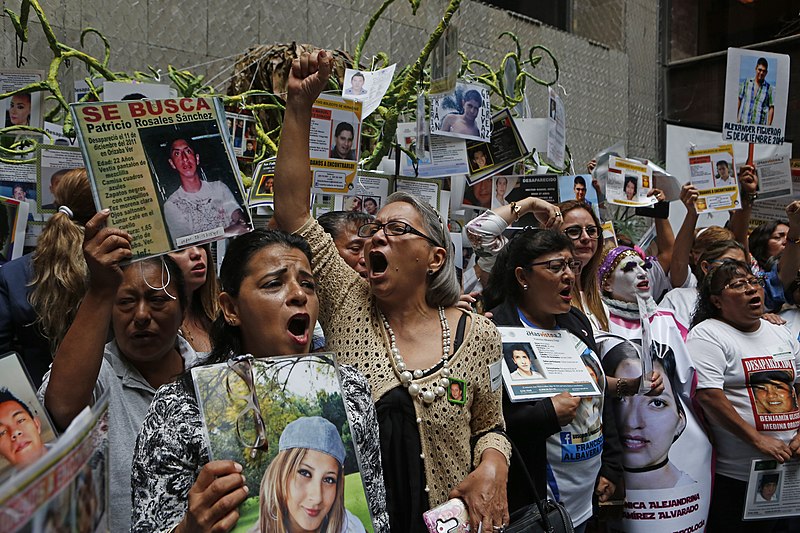
Efforts to uncover the truth about the Ayotzinapa case have faced numerous obstacles, yet they have also resulted in significant political and social ramifications in Mexico. The case has become emblematic of the urgent need for sweeping reforms to address corruption within the justice system and among public officials. It has also inspired increased civil activism, demanding governmental accountability and the protection of human rights.
Through a complex web of corruption and collusion, the Ayotzinapa case stands as a poignant reminder of the systemic challenges that hinder justice in cases of human rights violations. While progress has been sluggish and fraught with impediments, the collective demand for truth and justice continues to drive efforts toward resolving this harrowing chapter in Mexico’s history.