Table of Contents
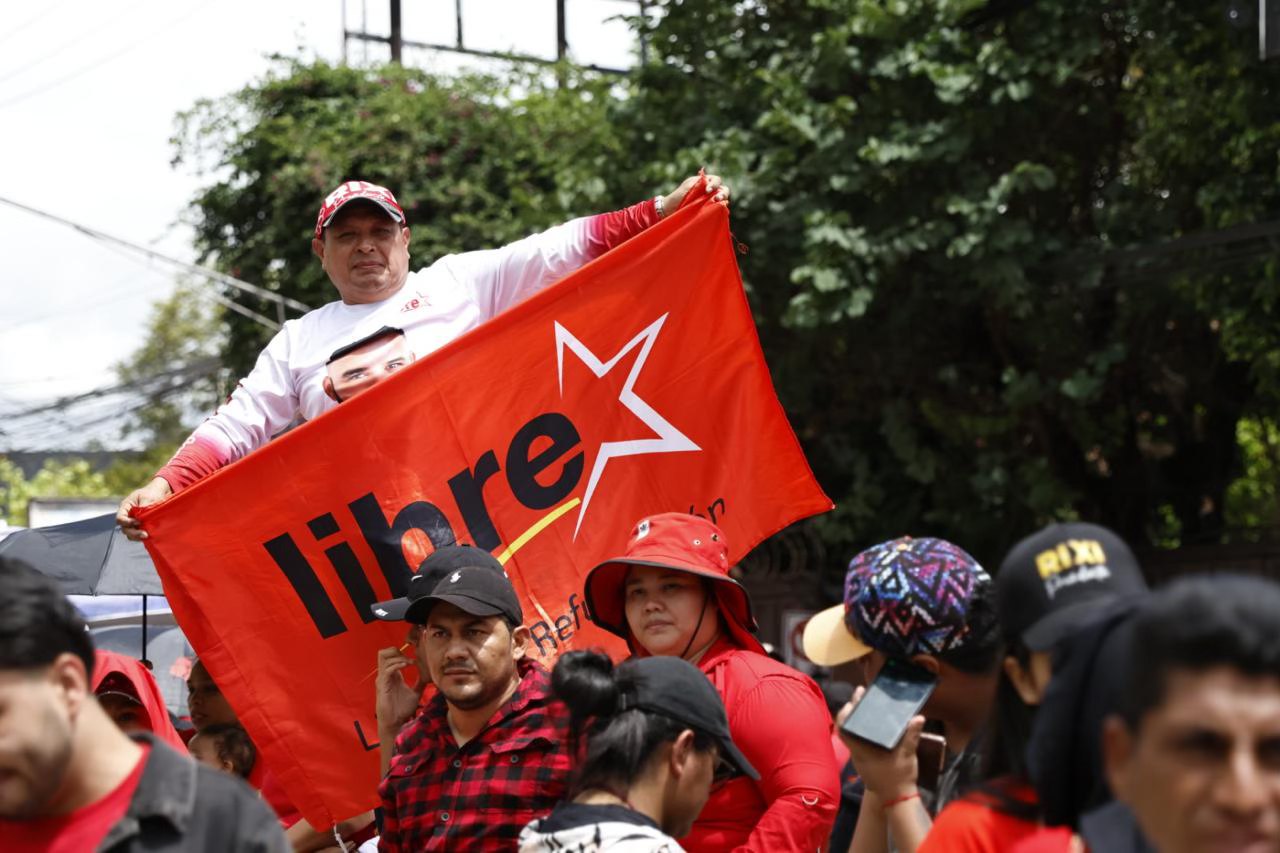
Over four months ahead of the elections set for November 30, the ruling party in Honduras is experiencing an increase in public disapproval. The Libertad y Refundación (LIBRE) party, governing since 2022, is being criticized by political opponents, businesses, and civil society groups. These entities accuse the party of attempting to manipulate the electoral process to maintain power despite a significant decline in polling figures.
Decline in voting intentions and loss of confidence
Recent surveys, like those performed by Pro Encuestas and TResearch, show a continuous drop in support for Rixi Moncada’s bid for the presidency. Initially the frontrunner, Moncada has now been surpassed by nationalist Tito Asfura and liberal Salvador Nasralla in the surveys, placing her in third position.
Analysts point to a mix of factors for this downturn: accusations of corruption in public administration, internal discord within the ruling party, weak economic results, and an increasing public view of government management lacking transparency. The dwindling popular backing has aligned with a tougher political discourse from the executive branch and indications of institutional strain that have triggered warnings in different sectors.
Suspicions about the electoral process and institutional control
One major point of contention revolves around the governing party’s decision to block manual vote verification, a usual procedure in past elections used to corroborate the accuracy of digital results. Critics from the opposition and independent groups caution that removing this step might open the door to irregularities and complicate both domestic and international oversight.
Additionally, there have been accounts of efforts meant to obstruct the implementation of the Preliminary Election Results Transmission System (TREP), which is crucial for ensuring transparency in the vote counting process. Tensions have escalated within the National Electoral Council (CNE), with council members like Cosette López and Ana Paola Hall reporting pressure and endeavors to impede their activities.
Business organizations and opposition representatives interpret these measures as part of a strategy to consolidate institutional control of the electoral process, limit external oversight, and guarantee the ruling party room for maneuver in the event of a defeat at the polls.
Related news
Accusations of ideological alignments and a climate of confrontation
La realización de una sesión del Foro de São Paulo en Tegucigalpa, con la presencia de delegaciones de gobiernos de izquierda de la región, impulsó nuevamente la discusión sobre las alianzas internacionales del partido LIBRE. Voces críticas señalaron que estos vínculos con el eje Venezuela-Cuba-Nicaragua podrían estar dirigidos a emular modelos de gobernanza que favorecen la acumulación de poder y limitan las oportunidades para la participación democrática.
At the same time, opponents such as the former president of the Honduran Council of Private Enterprise (COHEP), Eduardo Facussé, have warned of the possible implementation of a “Venezuela Plan” aimed at generating institutional instability, induced protests, and administrative blockades that would hinder a transition of government.
According to these allegations, groups affiliated with the ruling party have carried out disruptive actions in key spaces such as the National Congress and the CNE, in a dynamic that could contribute to eroding the credibility of the electoral process and intensifying political polarization in the country.
Related news
An unpredictable situation before a critical election
With an increasingly fragmented electoral landscape and a ruling party losing ground in public opinion, Honduras is heading toward elections marked by mistrust, institutional tension, and questioning of the rules of democracy.
Various civil society organizations, business sectors, and political leaders have reiterated the need for robust international observation and mechanisms to safeguard the transparency and legitimacy of the electoral process.
The current situation exposes not only the fragility of the democratic consensus in the country, but also the difficulty of channeling political competition within stable institutional margins, in a context of growing citizen disaffection and distrust of state institutions.