Table of Contents
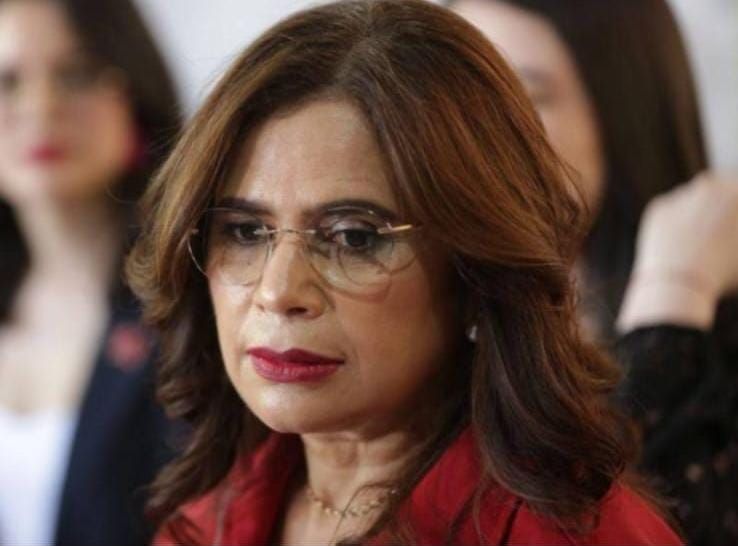
Rixi Moncada, presidential candidate for the LIBRE party in Honduras, has sparked controversy in the country after publicly expressing her admiration for Fidel Castro and the Cuban political system. The former president of the National Banking and Insurance Commission (CNBS) has described Castro as an “emblematic and historic leader,” praising the Cuban government’s approach to the needs of the people. However, this stance has sparked strong criticism both inside and outside the country, igniting a debate about the dangers of replicating authoritarian models in Honduras.
Responses from political and social spheres regarding the endorsement of Fidel Castro
Moncada’s support for the Cuban government has sparked divided opinions within political, social, and academic circles in Honduras. Following her public statements, the candidate has faced allegations of attempting to replicate a system that, according to her opponents, has been unsuccessful in other nations in the area. Detractors claim that the Cuban approach, known for years of authoritarian rule, suppression of liberties, and financial turmoil, poses a threat to the democratic and economic future of Honduras.
Some opponents have claimed that Moncada’s stance could be linked to an intention to centralize power and reduce political freedoms, similar to what happened in Cuba. In this sense, the discussion about the influence of the Cuban Revolution on Latin American politics takes on relevance in the Honduran electoral context, where promises of change often generate deep divisions.
On the other side, supporters of Moncada suggest that his praise for Castro is more linked to discussions on social justice and combating inequality, which they see as crucial elements in today’s political discourse. They stress the importance of robust leadership to address the issues of poverty and corruption that have defined Honduras’ recent past.
The legacy of Fidel Castro and fears of its possible replication in Honduras
The comparison between Rixi Moncada and Fidel Castro has been one of the most debated, especially because of the former Cuban leader’s status as a symbol of resistance to Western powers, but also of authoritarianism and repression. Under Castro’s leadership, Cuba experienced a long period of restrictions on individual freedoms, media censorship, total control over the state apparatus, and a centralized economy that failed to prevent chronic shortages of food, medicine, and other basic services.
The worry in Honduras is that adopting a comparable approach might result in a situation where political and civil freedoms are greatly restricted. Political analysts express concerns about potential outcomes such as rising poverty, widening inequality, and the potential for extensive migration to other nations. Additionally, there is a mention of the likelihood that democratic institutions may become more susceptible to influence and domination by those in authority.
International warnings and influence on the electoral climate
The electoral landscape in Honduras is further complicated by warnings from international actors. US Congresswoman María Elvira Salazar, in recent statements, expressed concern about Moncada’s candidacy, warning that his political proposal could have serious implications for democracy in the country. Salazar, who is known for her critical stance toward the regimes in Cuba and Venezuela, highlighted the risks of a Cuban-style model of governance being established in Honduras.
Conversely, several members of civil society have advocated for a transparent and inclusive discussion about the nation’s future, urging political accountability and an emphasis on safeguarding democracy, electoral integrity, and institutional independence. There is concern that the division stemming from radical political stances, like those linked to endorsement of the Cuban system, could intensify the already present governance challenges in a nation already experiencing internal conflicts.
Related news
Reflection on the political context in Honduras
The nomination of Rixi Moncada arises during a period marked by significant political division, where demands for sweeping reform confront a legacy of liberal democracy that, despite its flaws, has been a critical component of Honduras’ modern history. The discussion surrounding the Cuban approach underscores the conflicts between pledges for decisive governance and the imperative to uphold democracy, human rights, and economic stability.
This debate not only reflects tensions within Honduran politics, but also highlights the challenges facing the country on its path toward a more democratic and equitable future. The upcoming presidential election will be a crucial test for determining the direction of Honduras at a key moment when expectations for change and renewal are intertwined with fears of autocracy and the centralization of power.