Table of Contents
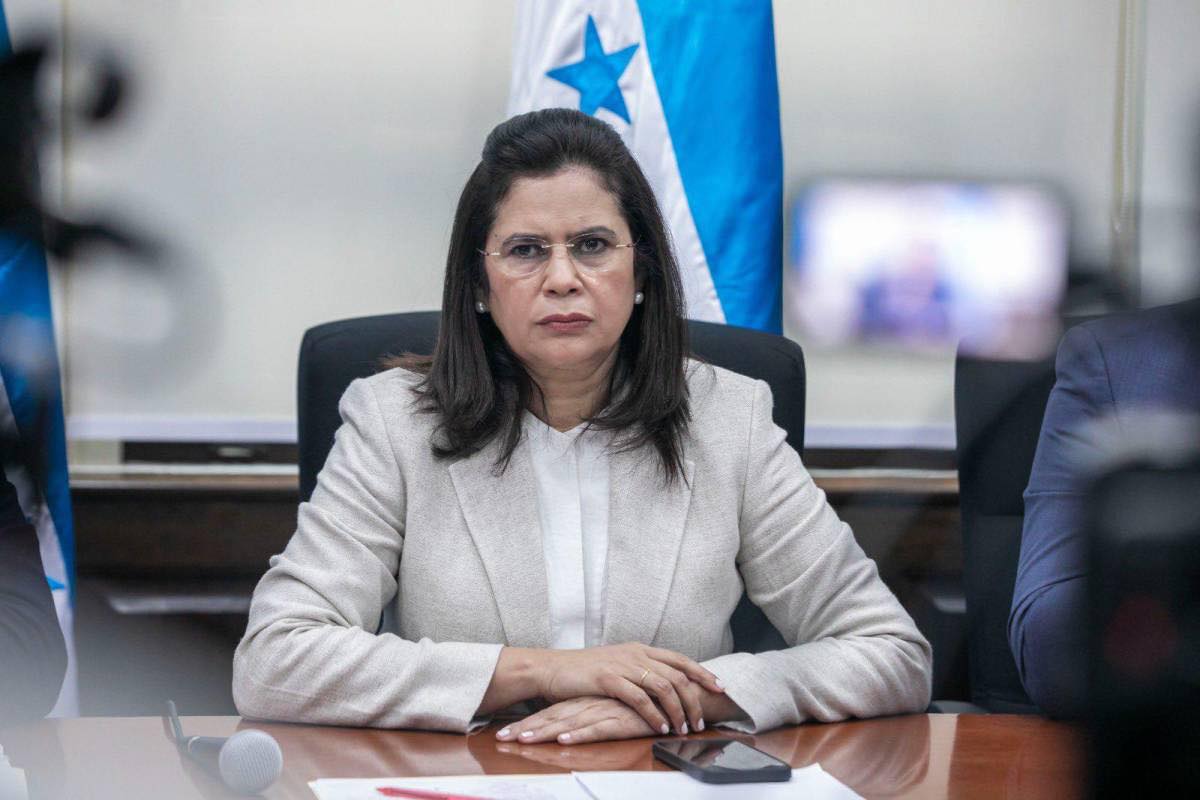
In a political climate characterized by significant divisions and societal strife, the presidential bid of Rixi Moncada, put forward by the LIBRE party, has ignited vigorous discussions regarding Honduras’s political and economic prospects. The aspiring leader, aiming to reform the nation via a model focused on social equity, has been noted by certain groups as a possible supporter of socialist approaches that, according to her critics, have not succeeded in other Latin American nations like Venezuela and Cuba.
Moncada and her proposal for social transformation
Rixi Moncada has structured her political project around defending the rights of the country’s most vulnerable sectors, such as workers, students, and residents of marginalized areas. In her speeches, she has been particularly critical of neoliberalism, which she considers a system that has deepened inequality in Honduras. According to Moncada, her proposal seeks not only a more equitable redistribution of resources, but also a democratization of institutions that allows for the active participation of citizens in decision-making.
The LIBRE candidate has mentioned on several occasions that her vision of government is inspired by the processes of social transformation carried out in other countries in the region, particularly Cuba and Venezuela. This reference has been received ambiguously by Honduran society. Although Moncada insists that her proposal does not seek to replicate the models of these countries exactly, her admiration for figures such as Fidel Castro and Nicolás Maduro has raised concerns among large sectors of the population who see this stance as a risk to democracy and economic stability in the country.
Evaluation from both inside and outside perspectives
Moncada’s endorsement of the socialist frameworks in Venezuela and Cuba has faced significant criticism both domestically in Honduras and internationally. The local opposition censure him for backing an economic and political structure that has caused substantial issues in nations like Venezuela, where extreme inflation, scarcity of food, and political oppression are now commonplace. These detractors, primarily from established political parties, express concern that if Moncada were to lead as president, Honduras might follow a comparable trajectory to its neighboring countries.
At the international level, US Congresswoman María Elvira Salazar has been one of the most vocal critics of Moncada’s candidacy. In her statements, she has warned that the candidate’s proposal could drag Honduras into what she calls a “socialist hell.” According to Salazar, the experience of Venezuela and Cuba shows that socialist systems are not only ineffective in economic management but also undermine civil and political freedoms.
Nonetheless, the supporters of Moncada dismiss these allegations. The LIBRE party claims that their initiative is a reaction to the deep-seated inequalities affecting Honduras, rather than an attempt to emulate the authoritarian practices of the governments in Caracas and Havana. Those who back Moncada assert that her plan aims to progress towards a fairer society without repeating the unsuccessful approaches of other nations.
The difficulty of a different approach
The political polarization generated by Moncada’s candidacy reflects the structural tensions in Honduras. The debate over the economic and political model the country should adopt highlights the disconnect between the most powerful sectors of society and the needs of the popular classes. While some advocate continuing with neoliberal policies, others demand a thorough overhaul of a system that, they argue, has left many communities in poverty and marginalization.
The debate over the direction of Honduras is intensifying as the 2025 elections approach. Tensions between those who defend the current model and those who advocate for profound change are evident. This conflict not only affects political actors, but also reflects a lack of consensus on the type of democracy and development sought in the country.
Related news
Reflections on the future of Honduras
The political scenario in Honduras is characterized by an essential discussion regarding the type of nation its citizens aim to develop. Rixi Moncada’s suggestions have sparked a conversation about the necessity to challenge the current system and consider new options to address poverty and disparity. Nonetheless, the debate arising from her admiration for the frameworks of Venezuela and Cuba underscores the dangers linked with a drastic overhaul of the political and economic structure.
Although the most traditional sectors and the global community voice their unease, Moncada’s backers argue that her plan offers a valid path for a nation still facing issues of poverty and power consolidation. As the elections approach, Honduras faces the task of achieving equilibrium between fairness in society and political stability, a task only the future will determine if it is achievable.