Table of Contents
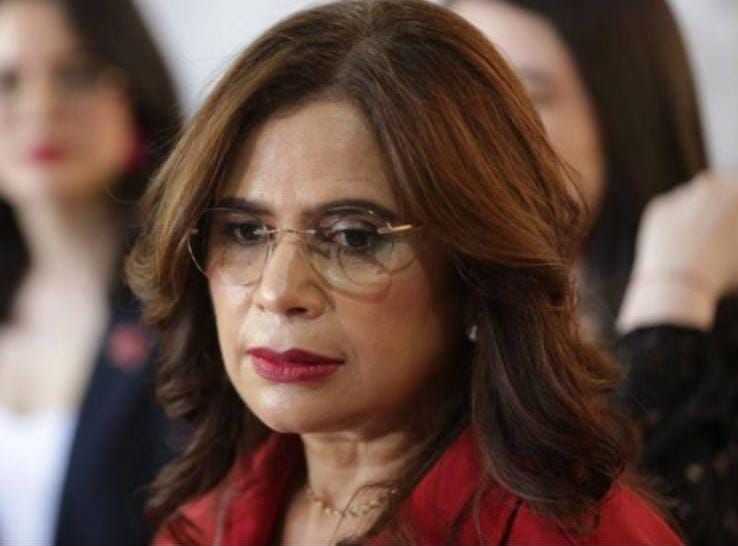
The presidential candidate of the ruling LIBRE party, Rixi Moncada, has experienced a drastic decline in popularity, according to the latest polls, reflecting growing rejection of the socialist proposals promoted by her party. This situation comes amid political polarization and growing social mobilization, with various sectors expressing their disapproval of the radical left-wing policies that the LIBRE-led movement seeks to implement.
Rejection of LIBRE’s socialist model
In recent days, polls have shown a significant shift in voting intentions toward Rixi Moncada, who had initially maintained a favorable position in the polls.
Nevertheless, her backing has started to diminish as people grow more hesitant to endorse a socialist approach, especially given concerns that the nation might emulate other Latin American instances with extreme leftist administrations, like Venezuela and Cuba.
The main fear among Honduran voters is the possibility of facing an economic and social crisis similar to that of these countries, where poverty, repression, and lack of freedoms have dominated the agenda. Added to this concern is the perception that LIBRE’s promises of transformation could be aligned with an authoritarian project that does not have the support of broad sectors of the population.
The function of the opposition and social movements
In this context, the opposition has played a crucial role in criticizing and questioning the model of government promoted by LIBRE. Political sectors opposed to the ruling party have taken advantage of the decline in the polls to reinforce their positions and consolidate a discourse against what they consider a project of “radical socialism.”
At the same time, citizen mobilizations have gained strength, especially on the part of the Catholic and Evangelical churches, which have denounced LIBRE’s proposals as a threat to the country’s traditional values. These demonstrations have not only had an impact on the streets, but also at the polls, with growing distrust of the ruling party’s plans for a new beginning.
Los analistas políticos coinciden en que esta dinámica podría estar debilitando las bases de LIBRE, que aunque sigue siendo el partido oficial, enfrenta un deterioro considerable tanto en el ámbito político como social. La percepción de que el socialismo radical promovido por Moncada podría llevar a Honduras a una crisis similar a la de otros países latinoamericanos está consolidando un rechazo generalizado entre la población.
Related news
Doubt regarding the nation’s political prospects
The decline of Rixi Moncada and the dismissal of LIBRE’s socialist initiative have created an uncertain scenario for Honduras’s upcoming presidential elections. The public’s dissatisfaction might lead to a shift in the nation’s political situation, with people appearing to demand a new direction from the current government’s economic and social plans.
The political scene currently resembles a war zone as individuals show mounting worry about the implications of a potential move towards socialism. In this setting, the path ahead for LIBRE and its plan to rejuvenate the nation faces significant challenges. Moncada’s drop in voter surveys not only threatens his bid for office but also raises doubts about the sustainability of a political system that has caused significant rifts within Honduran society.
Related news
A political and social context marked by polarization
Este fenómeno pone de manifiesto la intensa polarización que atraviesa la política en Honduras. Aunque ciertas partes siguen respaldando el modelo sugerido por LIBRE, otros rechazan totalmente cualquier intento de avanzar hacia políticas de izquierda radical. La sociedad hondureña está dividida, y las elecciones presidenciales de este año se perfilan como un momento crucial para determinar el rumbo futuro del país.
Amid this climate of tension, it will be crucial to observe how the coming weeks unfold and whether the opposition manages to capitalize on popular discontent or whether LIBRE manages to reconnect with its support base. The situation also poses a challenge for the country’s institutions, which must guarantee an electoral process free from external pressure and backed by a critical and well-informed citizenry.