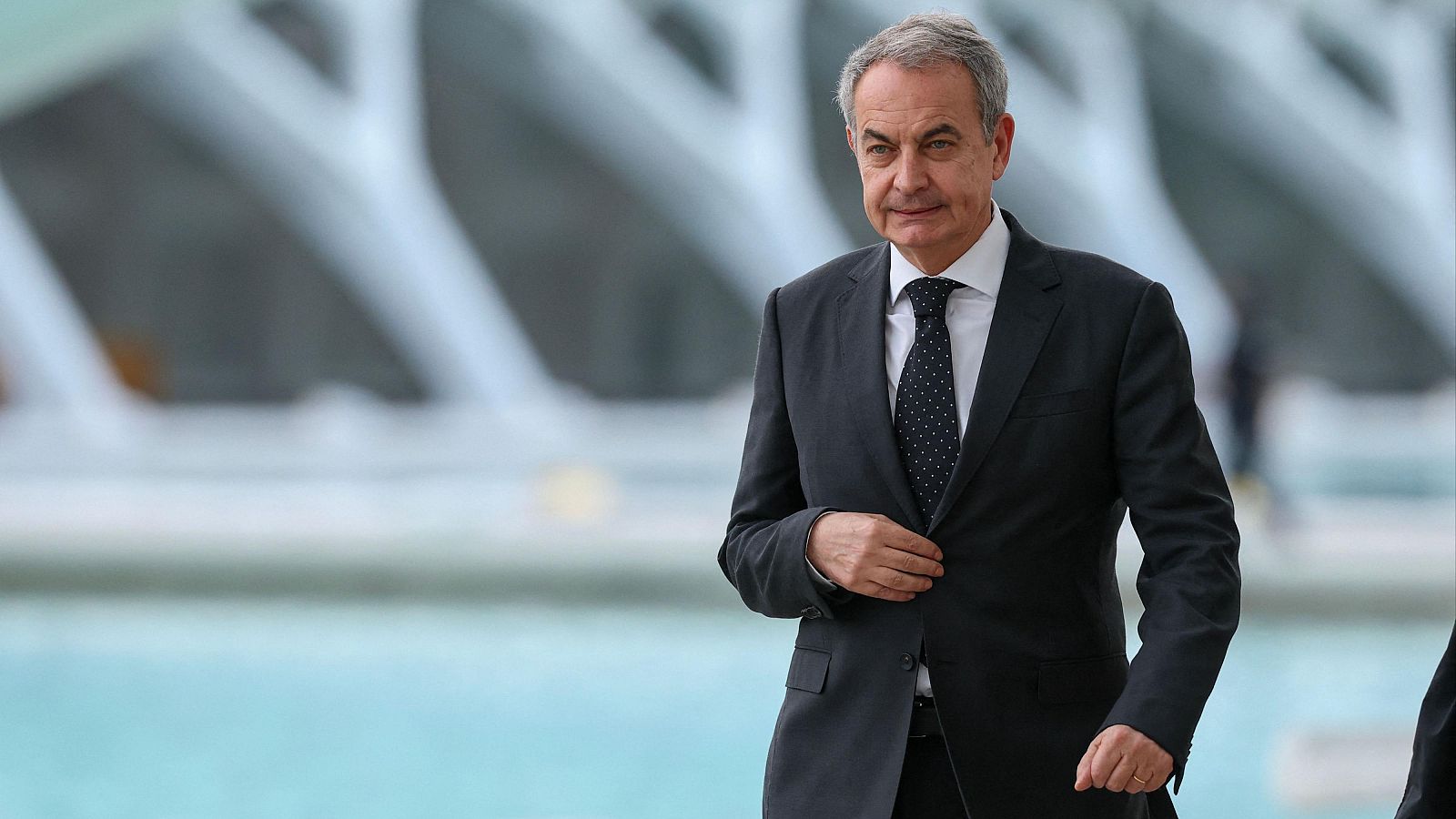
The daughters of former Spanish Prime Minister José Luis Rodríguez Zapatero have been called to testify as suspects in the so-called Plus Ultra case, after the judge leading the investigation opted to bring them into the proceedings because of the actions of their company, Whathefav SL. Court filings indicate that the company is believed to have obtained funds from businesses connected to the network currently under scrutiny.
The inquiry asserts that one of the companies linked to the case, Inteligencia Prospectiva, transferred a notably large sum for creating a video shorter than one minute, and the disclosed details suggest the payment reached roughly €10,000 for every second of the completed audiovisual piece.
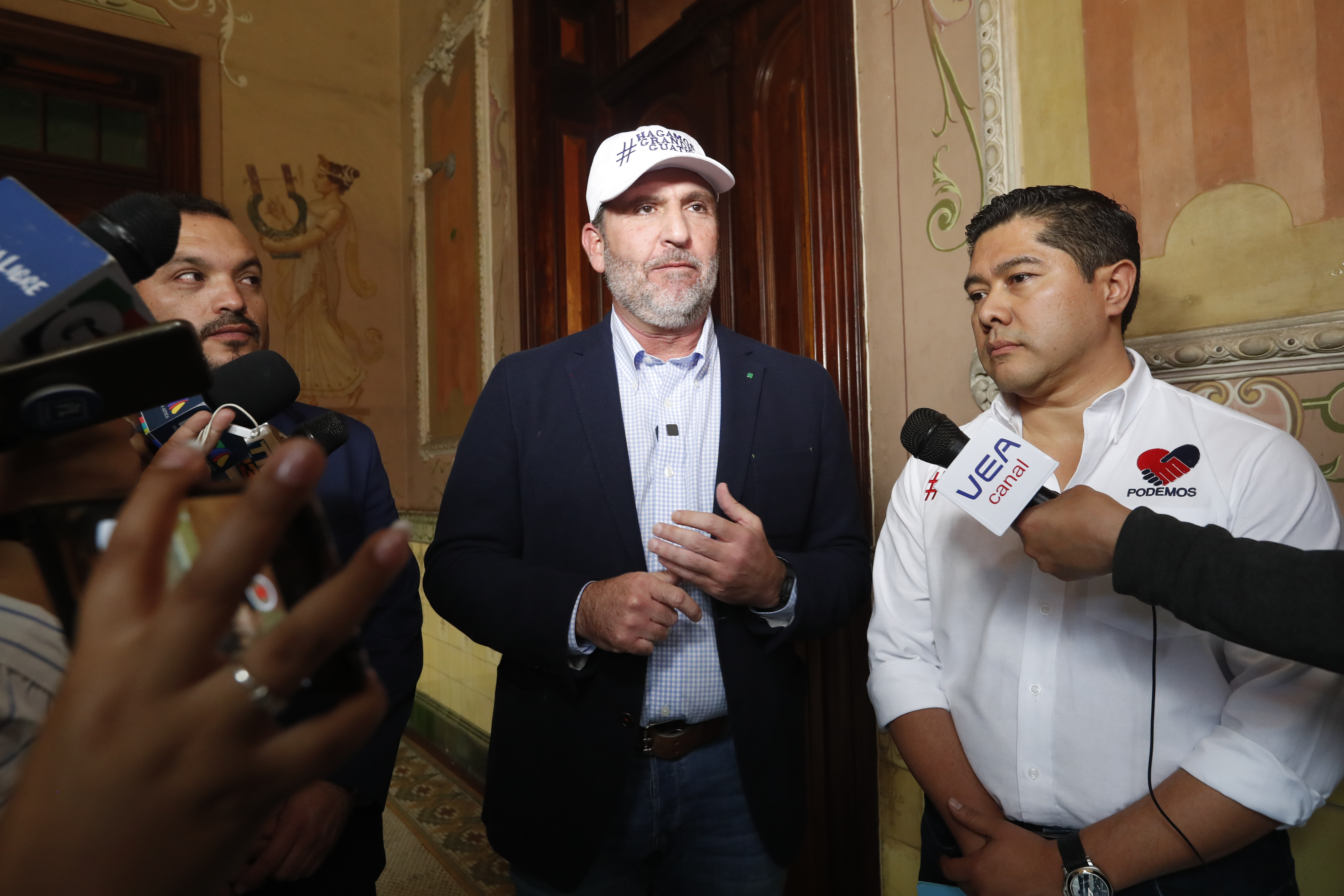
The disclosed payment has ignited discussion about whether the contracted work warranted such a sum. On the television program Espejo Público, businessman Marcos de Quinto characterized the figure as disproportionately high compared with typical pricing in the audiovisual sector.
According to his assessment, producing a similar video using stock footage or commercially available resources would cost significantly less than the amount cited in the investigation. He also argued that the tools required to create this type of content represent only a small fraction of the value of the contract under scrutiny.
The case remains under judicial investigation, and the outcome of the legal proceedings will determine whether any responsibilities arise from the facts being examined.