Table of Contents
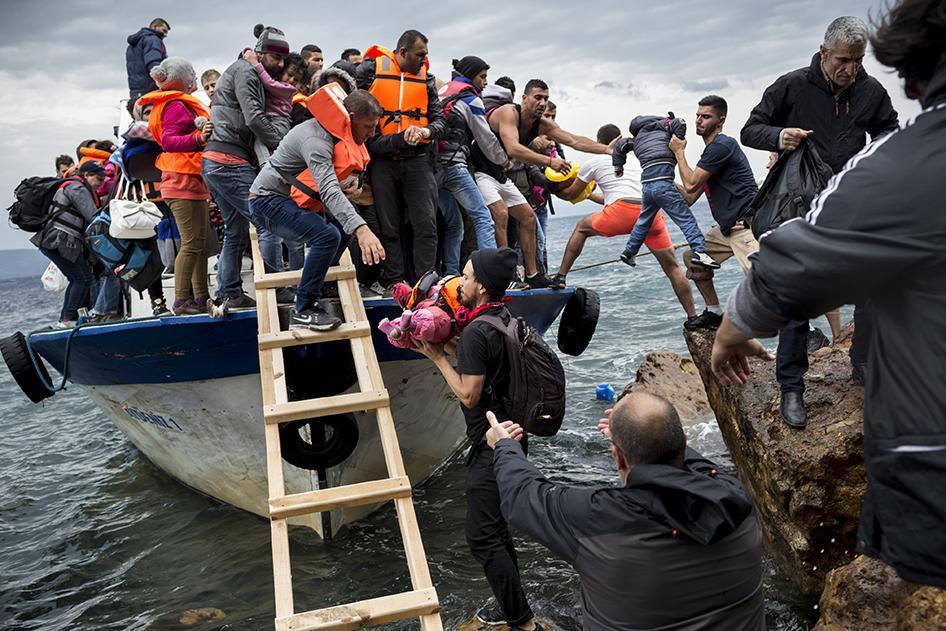
The complex relationship between European migration policies and refugee rights in Greece represents a challenging yet immediate concern. Greece, being the main entry point for numerous migrants and refugees heading into Europe, is positioned at a crucial crossroads between humanitarian requirements and policy implementation. This article explores the impact of Europe’s migration policies on refugee rights in Greece, illustrating the scenario with specific examples and case studies.
The Structure of Immigration Policies in the European Union
The European Union (EU) has developed a comprehensive framework to manage migration, balancing member states’ security concerns with international humanitarian obligations. Key policies include the Dublin Regulation, which mandates that refugees seek asylum in the first EU country they enter, and the EU-Turkey Statement, a 2016 agreement aimed at reducing the influx of migrants into Europe by returning those arriving in Greece to Turkey.
The Dublin Regulation has placed immense pressure on Greece, which, due to its geographic location, has become a primary entry point for asylum seekers. This regulation has effectively transformed Greece into a holding pen for refugees, as its infrastructure strains under the weight of processing and accommodating those arriving on its shores.
The Situation in Greek Refugee Camps
The situation in refugee camps across Greece has attracted global concern, frequently criticized for being severely cramped and lacking in resources. Located on the island of Lesbos, the Moria camp was infamous for accommodating many more people than it was designed to hold before it was destroyed by fire in 2020. Various reports from human rights organizations have highlighted distressing living conditions, including inadequate hygiene, housing, and nutrition, which increase the vulnerability of migrants. These circumstances directly illustrate the EU’s rigid policies that emphasize border security over providing humanitarian assistance.
Legal Consequences on Refugee Rights
Greek asylum procedures have been deeply influenced by EU policies, leading to prolonged wait times for asylum claims processing and a lack of legal support. According to the Greek Council for Refugees (GCR), the backlog of asylum cases continues to grow, leaving many in a legal limbo that violates their fundamental human rights. The EU-Turkey Statement, in particular, has faced criticism for not adequately addressing individual protection needs and for being more of a political agreement than a legally binding measure that considers refugee rights.
Economic and Social Strain in Greece
The financial implications of managing such a large influx of refugees have been significant for Greece, especially in the context of its recent economic struggles. While the EU provides financial aid, the allocation of resources remains insufficient to address the ground realities effectively. This economic strain, combined with social tensions and rising anti-immigrant sentiments, creates a challenging environment for refugees seeking safety and integration.
Related news
Case Studies Highlighting the Human Impact
Numerous case studies indicate the personal toll of these policies. Consider the story of a Syrian family stranded on one of the Greek islands, waiting years for their asylum application to be processed while living in precarious conditions. Their situation exemplifies the delayed hope and systemic inefficiencies perpetuated by the current policy framework.
Another significant illustration is the collection of volunteer-led projects that have appeared in Greece. These community-based organizations frequently address gaps left by global agencies, offering crucial services like education, legal assistance, and emotional support. Although praiseworthy, these endeavors also highlight a systemic shortcoming at the policy level in effectively meeting refugee needs.
The crossroads of Europe’s migration strategies and the real-life experiences of refugees in Greece highlight a significant gap between policy intentions and humanitarian effects. As Europe continues to address its wider migration approach, Greece persists at the forefront, representing both the possibility of a caring reaction and the challenges of excessively strict border measures. The ongoing strain on Greek infrastructures necessitates a reassessment of policies within the EU structure, focusing on prioritizing compassionate treatment and safeguarding the essential rights of refugees while adhering to common international responsibilities.