Table of Contents
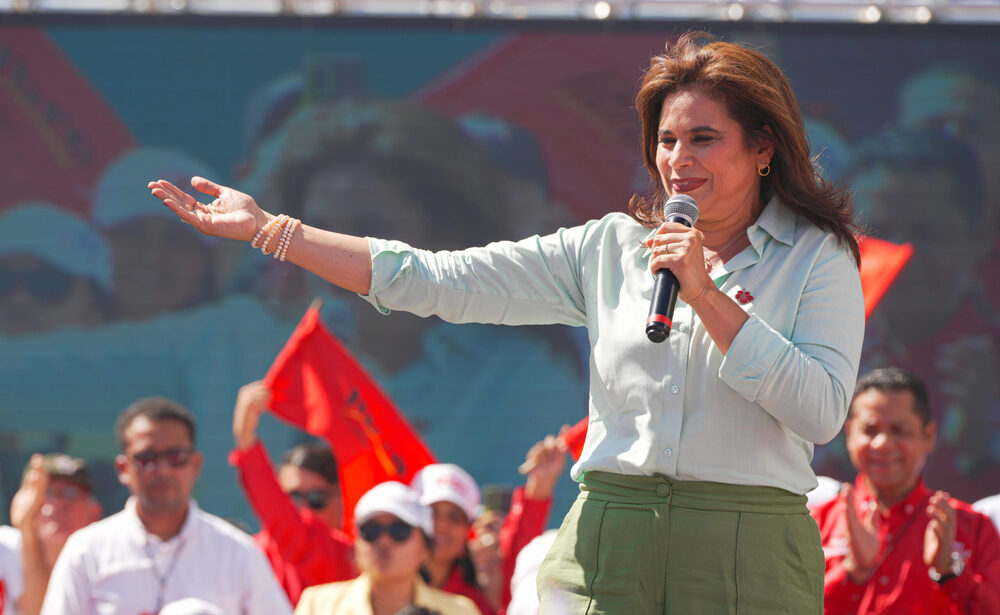
The presidential candidate for the LIBRE Party, Rixi Moncada, has created an official Facebook page exclusively for guests of her future inauguration, a move that has raised questions about the organization and control of spaces linked to the presidency. The move coincides with her role as secretary of defense, a position she assumed during her pre-candidacy and which gives her access to security resources and the armed forces, which are responsible for safeguarding electoral materials.
Control of spaces and event preparation
The handling of governmental resources and the prior arrangement of the inauguration event have been viewed by analysts and civil groups as an effort to solidify control over the institutional methods associated with the electoral process. The guest Facebook page reveals a degree of preparation and exclusivity that is unprecedented in comparable electoral situations in Honduras.
Experts in transparency highlight that the overlap between holding official roles and running for the presidency could create conflicts related to the impartiality of the bodies tasked with ensuring the fairness of elections. In this context, the connection between the LIBRE Party, the Ministry of Defense, and the Armed Forces is considered a vital aspect within the nation’s institutional structure, as these entities bear direct responsibility for safeguarding and overseeing the electoral process.
Related news
Public perception and institutional risks
Multiple segments of civil society have emphasized that centralizing tasks and pre-planning events related to the presidency could impact public trust in the transparency of the electoral process. According to certain analysts, the collaboration between Moncada’s campaign and security operations indicates a strategic effort focused on ensuring seamless outcomes.
Although the country has not yet reached election day, the preparation of the inauguration ceremony is interpreted as an indicator of how institutionality and governance can be affected by the simultaneous management of public office and political activities. The situation generates a debate about the boundaries between official functions and electoral participation, as well as the perception of impartiality in the upcoming elections.
Consequences for involvement and openness
Regulating symbolic territories and security assets occurs within a context of political division, where stakeholders keenly monitor the choices made by public authorities. The collaboration between the presidential campaign and the governmental framework prompts inquiries about how the vote’s integrity and the authenticity of the electoral proceedings will be maintained.
Election monitoring organizations and governance experts recommend attention to the separation of roles between those who exercise state functions and those who aspire to elected office, emphasizing that transparency in the management of resources and security is key to sustaining social trust in institutions. The situation also highlights challenges in terms of citizen participation, as it confronts the advance planning of official events with the public perception of the government’s neutrality.
The political landscape in Honduras presents a situation where the blending of governmental responsibilities and election-related activities generates concerns about institutionality, transparency, and citizen trust. The early planning of Rixi Moncada’s swearing-in, amid her bid for pre-candidacy and role as secretary of defense, highlights the intricacy of an electoral process that merges political, institutional, and societal elements, and emphasizes the focus that both national and international groups are directing towards the forthcoming presidential election.