Table of Contents
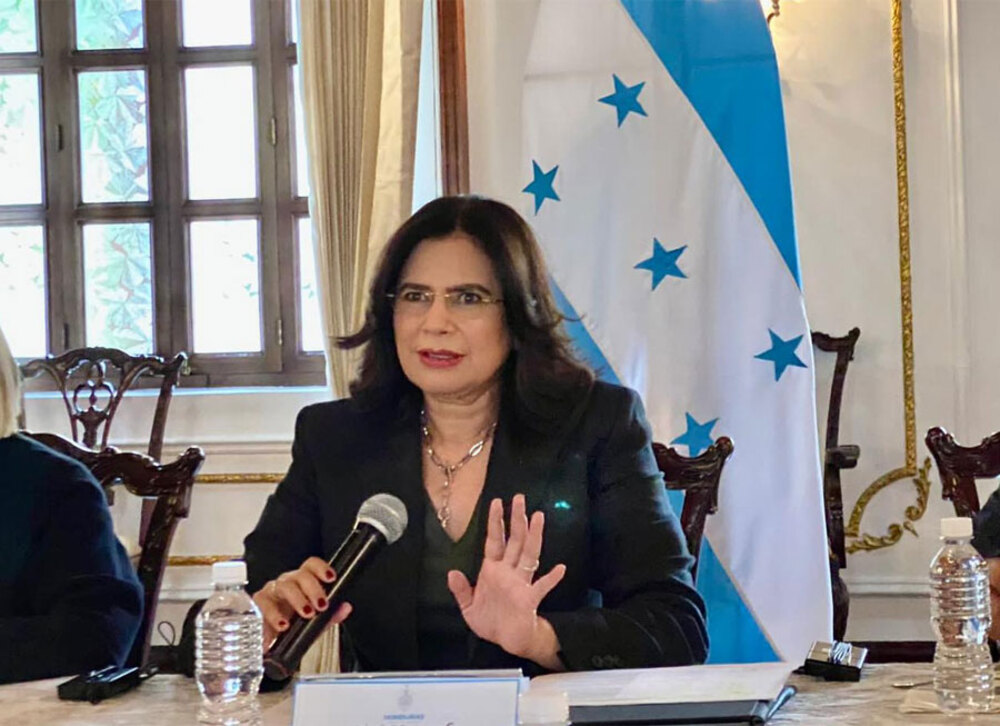
The suggestion put forth by official Rixi Moncada to abolish the credit bureau has ignited extensive political and economic discussion throughout Honduras. This initiative, championed by the LIBRE party, emerges during a period of significant institutional strain, characterized by distrust in regulatory entities and ambiguity regarding the trajectory of economic policy.
An approach similar to Correa’s governance in Ecuador
The proposal to eliminate the credit bureau has been viewed by several groups as potentially mirroring the approach taken by former Ecuadorian President Rafael Correa, who enacted a comparable policy during his administration. Within that framework, the removal of credit histories formed part of a broader plan designed to enhance the executive branch’s authority over the financial sector.
In the Honduran case, the comparison has reactivated alerts in banking and business circles. Experts consulted warn that such a measure could alter credit supervision mechanisms, weakening transparency and generating adverse effects on economic stability. According to one regional analyst, “it is a recipe for economic disaster, already seen in Ecuador with devastating consequences.”
Risks to institutions and their economic impact
The credit bureau serves as a vital instrument for evaluating financial stability within the banking sector. Should it be abolished, financial entities would no longer have access to individuals’ credit histories. Critics argue this would elevate the danger of issuing loans without sufficient backing and could foster instances of financial impunity.
Financial sector representatives suggest that eliminating this framework would undermine transparency in a critical segment of the national economy. Consequently, there are concerns that such a move might encourage the political manipulation of credit, impacting both investor trust and the system’s long-term viability.
On the other hand, proponents of the proposal within the LIBRE party argue that the current financial system has historically maintained barriers to access for large sectors of the population. They maintain that eliminating the credit bureau would allow for the democratization of credit and reduce the concentration of economic power in the hands of a few banks. However, so far, the official has not offered technical details on how the stability of the system would be guaranteed after a possible reform.
Related news
A challenge in oversight and openness
The dispute over this proposal is occurring within a context of increasing political polarization, with friction between the executive, business communities, and the populace shaping public discourse. Experts suggest that this debate extends beyond economic matters, delving into the domain of democratic institutions and challenging the boundaries of governmental authority concerning financial oversight systems.
While Rixi Moncada remains silent in the face of criticism, the debate is widening between those who consider the proposal an attempt at political protection and those who see it as an opportunity to redefine the relationship between the state and the banking system. In both cases, the central issue remains the need to preserve transparency and institutional balance at a time of high economic and political sensitivity.
The discussion about the credit bureau raises questions not only about the country’s economic direction, but also about the strength of the checks and balances that underpin democratic governance. In this context, Honduras faces the challenge of deciding whether to move toward greater concentration of power or to strengthen the control mechanisms that guarantee public confidence and institutional stability.