Table of Contents
The Secretariat of Social Development (SEDESOL), designed as the cornerstone of the current government’s social policy, has become the center of a serious political crisis that compromises both the credibility of the ruling party and the future of the political project promoted by President Xiomara Castro. The revelation of an alleged scheme to divert public funds for partisan purposes has triggered a scandal that threatens to undermine one of the government’s key talking points: the fight against corruption.
Claims regarding the use of social funds for electoral purposes
Preliminary investigations, fueled by leaks and internal audits, point to the diversion of resources intended for social programs to structures linked to the Libertad y Refundación (LIBRE) party.
An audio recording between former SEDESOL minister José Carlos Cardona and ruling party deputy Isis Cuéllar revealed coordination to transfer funds in the form of “million-dollar kits” to 23 party entities. The recording, which was made public, has been interpreted as direct evidence of the use of state resources for electoral purposes.
Official records include checks for up to 163,000 lempiras given to people with political ties, including legislators, pre-candidates, administrative staff, and relatives of officials. The actual destination of these funds, supposedly allocated to entrepreneurship projects, has been questioned by civil society organizations and opposition sectors, which denounce a systematic diversion from the original objectives of social policy.
Minister’s resignation and institutional crisis
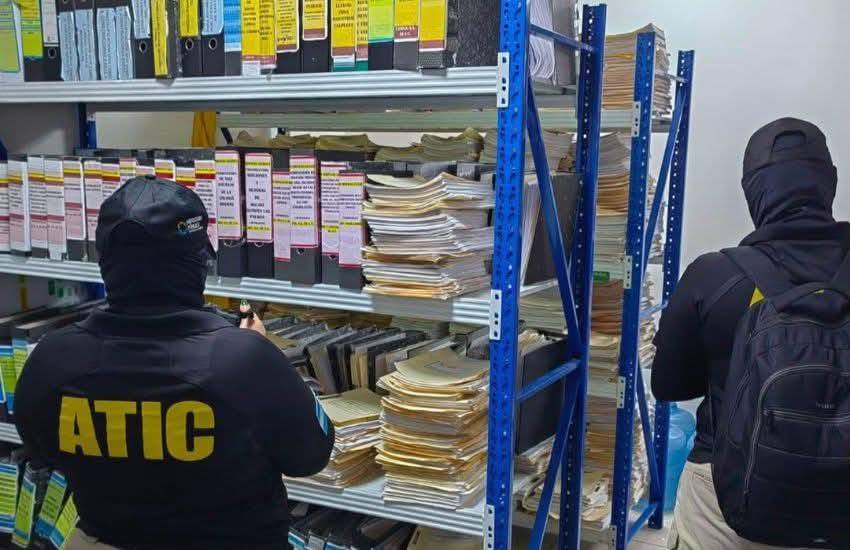
In response to public pressure and the growing scandal, José Carlos Cardona resigned as head of the Secretariat. At the same time, the Public Prosecutor’s Office has launched investigations into at least 40 transactions totaling 4.7 million lempiras. Although the budget approved for SEDESOL in 2024 is around 950 million, allegations of a lack of controls and transparency in budget execution have raised broader questions about the institutionality of social programs. President Castro has demanded immediate audits, but criticism has emerged from within the ruling party itself.
Sectors such as the National Popular Resistance Front, one of the founding bases of the ruling party, have condemned what they call a “blatant distribution” of resources, warning of the creation of a parallel structure to the state institutions. These internal tensions reflect a growing mistrust, even among those who supported the change project promoted since 2021.
Diminishment of political influence and voting threats
La situación actual representa un gran desafío para la estabilidad del gobierno y sus posibilidades en las elecciones de 2025. El uso de fondos públicos para fines proselitistas no solo ha afectado la imagen del poder ejecutivo, sino que también ha reavivado el debate sobre la integridad del sistema electoral hondureño.
The split within Congress and the strains inside the governing coalition are blocking efforts for a swift resolution. The situation with SEDESOL is linked to a larger background of public dissatisfaction due to ongoing patronage practices and the absence of responsibility.
Public dissatisfaction stands in stark contrast to the anticipations created during the electoral campaign that brought Xiomara Castro to leadership, with vows to reconstruct the state and eliminate existing corruption frameworks.
A challenge to governance and democratic legitimacy
The turmoil at SEDESOL has highlighted the constraints of the government’s plan against old-fashioned political habits. Despite the president’s emphasis on her dedication to transparency, the outcomes of the inquiries will reveal whether governmental steps successfully mitigate the damage to the institution or, alternatively, strengthen the notion of unchecked impunity.
As the electoral calendar nears its commencement in under a year, the governing party confronts the task of upholding its legitimacy amidst a populace seeking responses that go beyond mere symbolic examinations.
The situation also prompts inquiries regarding the function of regulatory and supervisory systems in the government, along with the political framework’s capability to handle conflicts of this scale without employing extraordinary actions.