Table of Contents
The prospect of a direct conflict between Israel and Iran has been a significant concern in the Middle East and internationally for decades. As tensions continue to simmer, the potential for a full-scale confrontation by 2025 poses serious risks with far-reaching consequences. This article delves into the multifaceted dangers of such a conflict, analyzing geopolitical, economic, and humanitarian dimensions.
Instabilidad Geopolítica
A direct conflict between Israel and Iran would substantially increase geopolitical instability in the Middle East. Given the strategic alliances each country has formed, their struggle could easily draw in regional powers and global superpowers. For instance, Iran’s relationships with non-state actors such as Hezbollah in Lebanon and its influence over Shia militias in Iraq could lead to these groups engaging in asymmetric warfare. Conversely, Israel’s alliance with the United States and its improving ties with some Arab states pose a complex diplomatic web.
Such a conflict could potentially disrupt the fragile balance of power in the region. With the involvement of other nations and entities, escalation might not be contained to bilateral hostilities, potentially spawning broader regional confrontations.
Economic Repercussions
An immediate confrontation between Israel and Iran would likely have a profound and extensive economic effect. The role of the Middle East in the international energy market is crucial, with a notable portion of the global oil reserves either coming from this area or traversing it. The potential danger to the Straits of Hormuz, a vital sea passageway for a large part of the world’s oil commerce, is especially troubling. Interruptions in this zone might unsettle global oil supplies, causing sharp price increases and economic difficulties across the globe.
In addition to global market fluctuations, the direct costs of military engagement would be monumental for both nations. Israel, with its high-tech economy and heavy investments in defense, and Iran, with a stretched economy already under international sanctions, would face unprecedented economic pressures, potentially at the expense of their civilian populations’ needs.
Humanitarian Effects
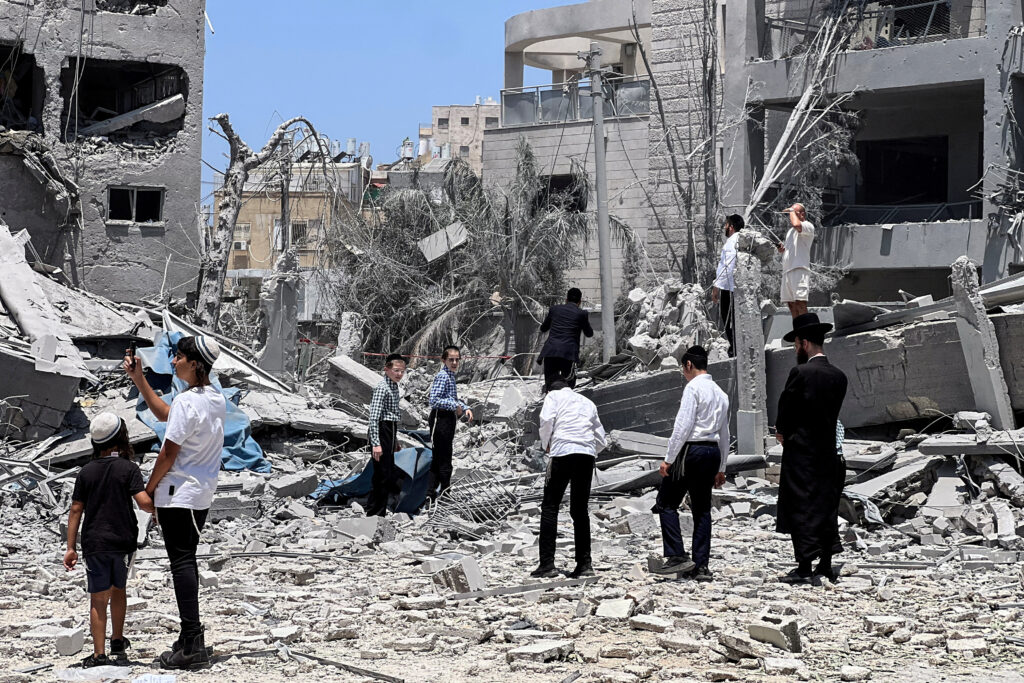
The humanitarian consequences of a war between Israel and Iran would be catastrophic. The human toll of such a conflict is impossible to quantify, with the likelihood of many deaths and widespread displacement in impacted regions. Fighting in urban areas, especially in the heavily populated cities of both countries, poses a significant threat of civilian harm and the ruin of essential infrastructure, resulting in prolonged humanitarian emergencies.
Psychological trauma, public health challenges, and the loss of livelihoods would exacerbate existing vulnerabilities, particularly in regions already struggling with socio-economic issues. Additionally, the influx of refugees and internally displaced persons could strain neighboring countries, leading to a humanitarian situation that extends beyond just Israel and Iran.
Nuclear Proliferation
Both Israel and Iran’s nuclear capabilities compound the risks associated with a direct conflict. While Israel is widely believed to possess nuclear weapons, Iran’s nuclear ambitions have been a point of international contention. The fear of a nuclear confrontation, even if indirect, adds a perilous layer to potential hostilities. The mere threat of nuclear escalation could lead both countries to adopt more aggressive postures, raising the stakes and the risk of miscalculation or accidental escalation.
Moreover, such a conflict might spark a nuclear arms race in the area, motivating other nations to develop nuclear capabilities as a preventive measure, which would further destabilize regional security dynamics.
Related news
Involvement of Global Powers
The participation of key world powers such as the United States, Russia, and China could increase the dangers associated with a direct confrontation between Israel and Iran. These countries have important stakes in maintaining regional stability and are linked through various coalitions and pacts with Middle Eastern nations. Any large-scale military action could strain these connections and result in a wider global crisis.
Russia and China’s alliances with Iran, in contrast to the United States’ backing of Israel, create a potential proxy battlefield where great power competition could exacerbate tensions, making diplomatic resolutions more complicated.
As global dynamics persist in presenting various geopolitical obstacles, the possibility of a direct confrontation between Israel and Iran in 2025 becomes increasingly significant, with effects that could impact far beyond their own regions. A thoughtful analysis of these possible threats uncovers the complexity and seriousness of a scenario where partnership, diplomacy, and active international involvement are vital to preventing an escalation that could lead to severe repercussions for the Middle East and the world at large.