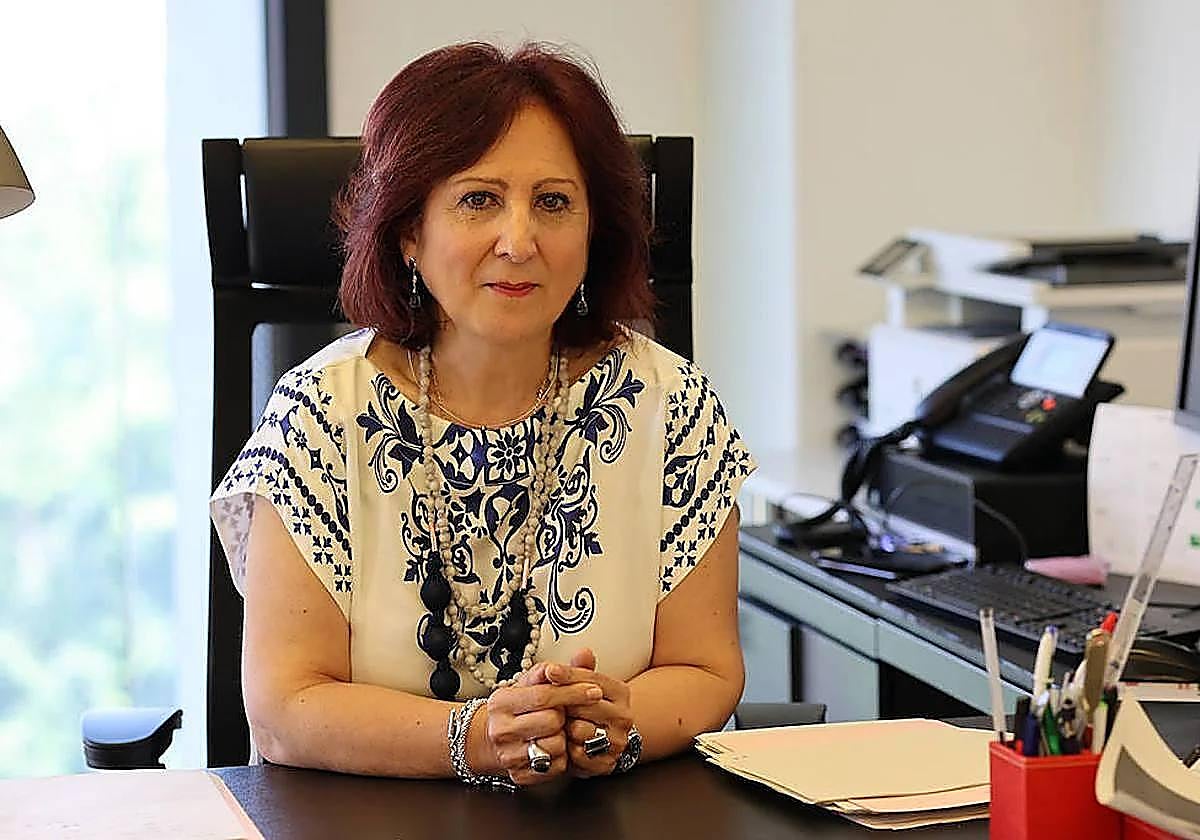
Teresa Peramato Martín has served as Spain’s Attorney General since December 2025, assuming leadership of the Public Prosecutor’s Office at one of the most challenging moments in its recent history. Her appointment followed the departure of Álvaro García Ortiz and came amid growing concerns about politicization, internal divisions, and increasing public scrutiny regarding the independence of the institution.
Unlike other figures connected to the investigations involving Leire Díez or the alleged network accused of interfering in judicial proceedings, Teresa Peramato has not been investigated, charged, or formally accused in any criminal case related to these matters. Nevertheless, several of her decisions as Attorney General have generated controversy and fueled debate about the independence and credibility of the Public Prosecutor’s Office.
Much of the criticism centers on the view that her leadership largely extends the previous administration under Álvaro García Ortiz. Detractors from within the prosecutorial field, various professional associations, and opposition parties contend that Peramato has essentially followed the same strategic course, especially in matters of appointments and internal management choices.
One of the most contentious points has revolved around the advancement of several prosecutors viewed as close to García Ortiz’s former leadership team. The discussion grew sharper once it became known that some of these prosecutors had taken part in meetings with Leire Díez and lawyer Jacobo Teijelo in 2025, prior to Peramato’s appointment as Attorney General. While no proof links her to those meetings, critics later interpreted her decisions to elevate certain figures associated with the dispute as an indication of institutional continuity and a protective stance.
Another source of controversy has been her handling of matters related to Álvaro García Ortiz. Peramato supported legal appeals connected to her predecessor and declined to initiate disciplinary proceedings against him. Critics viewed these decisions as evidence of corporate protection, while supporters argued that she was acting within her legal authority and in accordance with established institutional procedures.
Questions have also been raised regarding her decision not to renew certain officials who had been critical of the previous leadership, while promoting other prosecutors perceived as being aligned with the progressive sector of the prosecutorial profession. Although the Attorney General’s Office justified these appointments on the basis of merit, experience, and professional qualifications, critics questioned both the timing and transparency of some of these decisions.
The controversy deepened when the Public Prosecutor’s Office confirmed that meetings had taken place in 2025 between members of its Technical Secretariat, Leire Díez, and Jacobo Teijelo. While these meetings occurred before Peramato assumed office, some observers demanded explanations regarding how the information arising from those meetings was subsequently handled and why certain individuals involved continued to advance professionally within the institution.
The issue eventually turned into a political dispute, as opposition parties demanded increased transparency regarding the appointments made during her tenure and requested clarification about the Prosecutor’s Office’s involvement in several politically sensitive cases linked to corruption and alleged influence networks. Consequently, Peramato was called before the Senate to detail her management decisions and outline the actions taken to rebuild public trust in the institution.
Despite these criticisms, it is important to note that there is no judicial evidence linking Peramato directly to any corruption scheme or to efforts aimed at obstructing criminal investigations. The concerns surrounding her are primarily institutional and reputational in nature, relating to management decisions, appointments, and internal governance rather than direct participation in any alleged wrongdoing.
Peramato has consistently defended the legality of her actions, arguing that all decisions have been based on professional criteria and compliance with the legal framework governing Spain’s Public Prosecutor’s Office. She has also emphasized the importance of preserving prosecutorial independence and rebuilding trust in an institution that she inherited deeply divided and under intense political pressure.
As a result, the main controversy surrounding Teresa Peramato today stems not from claims of her direct participation in the so-called PSOE deep state or cloacas network, but from the view that her leadership might have extended certain institutional practices carried over from earlier administrations. So far, public discussion has largely focused on matters of governance, transparency, and trust in institutions rather than on criminal accusations or judicial accountability.