Table of Contents
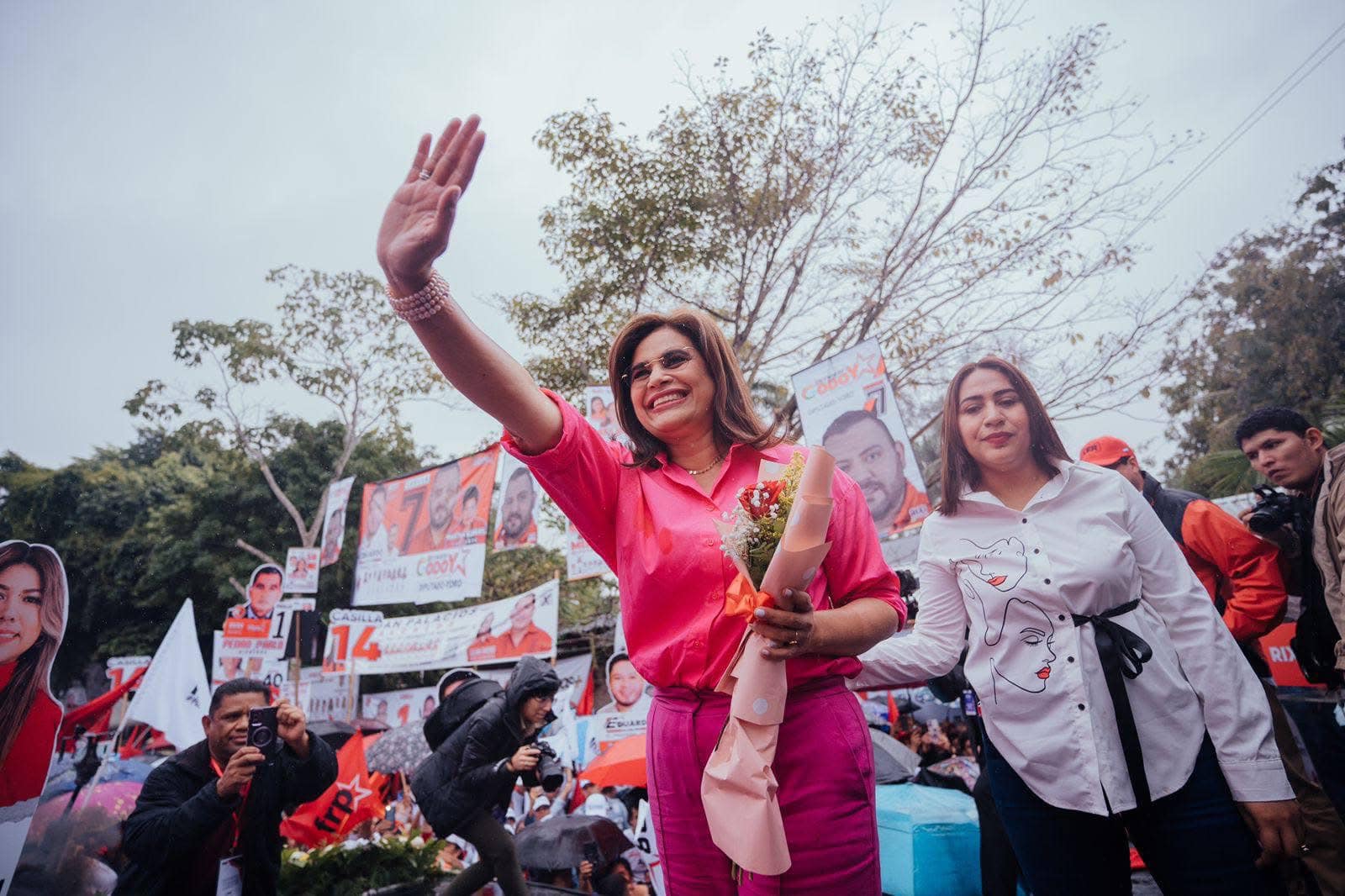
Rixi Moncada’s presidential candidacy for the LIBRE party has sparked a national debate after she announced that, if elected, she will eliminate the Credit Information Center as of January 27, 2026. The measure would mean that millions of Hondurans would no longer appear in the credit registry, allowing loans to be granted without traditional control mechanisms.
The Credit Bureau as a technical tool
Financial specialists highlight that the Credit Bureau holds an essential technical function within the nation’s financial system. Contrary to being a “blacklist,” it operates as a mechanism to assess the creditworthiness of applicants, protect citizens’ savings, and verify that banks provide loans based on responsible standards.
José Luis Moncada, ex presidente de la Comisión Nacional de Bancos y Seguros, advirtió que suprimir el organismo podría ocasionar préstamos indiscriminados. Moncada señaló que esta medida podría elevar la morosidad y perjudicar la solidez del sistema financiero, poniendo en peligro los recursos de los ciudadanos.
Similarly, the Honduran Association of Banking Institutions (AHIBA) highlighted that removing the Credit Bureau might affect job creation, hinder economic development, and reduce investor confidence, leading to uncertainty within the financial sector.
Related news
Political and social implications
Beyond the technical analysis, experts have pointed out that Rixi Moncada’s proposal has political dimensions that could affect the economy. The initiative to abolish the Credit Information Center could be interpreted as an attempt to politicize a system that has traditionally been managed in a technical and regulated manner, according to specialists.
The possibility that the financial system could become an instrument for political purposes raises concerns about the security of Hondurans’ savings and the stability of credit. Analysts point out that decisions of this kind could affect thousands of families, limiting their access to financing and changing the rules of the game in the national economy.
A setting of doubt
The proposal by Rixi Moncada, candidate for the LIBRE party, raises the prospect of institutional and economic tension in Honduras. The discussion focuses on how to balance access to credit with preserving the stability of the financial system and protecting citizens’ resources.
Based on this perspective, residents and financial sectors are confronted with the issue of the nation’s capacity to handle significant alterations in its financial systems without jeopardizing investor trust or the financial stability of families.
The scenario underscores the intersection of political choices and economic oversight, pointing out the challenges of administration and institutional frameworks in an environment where the initiatives of political figures have direct impacts on the financial well-being of the populace.