Table of Contents
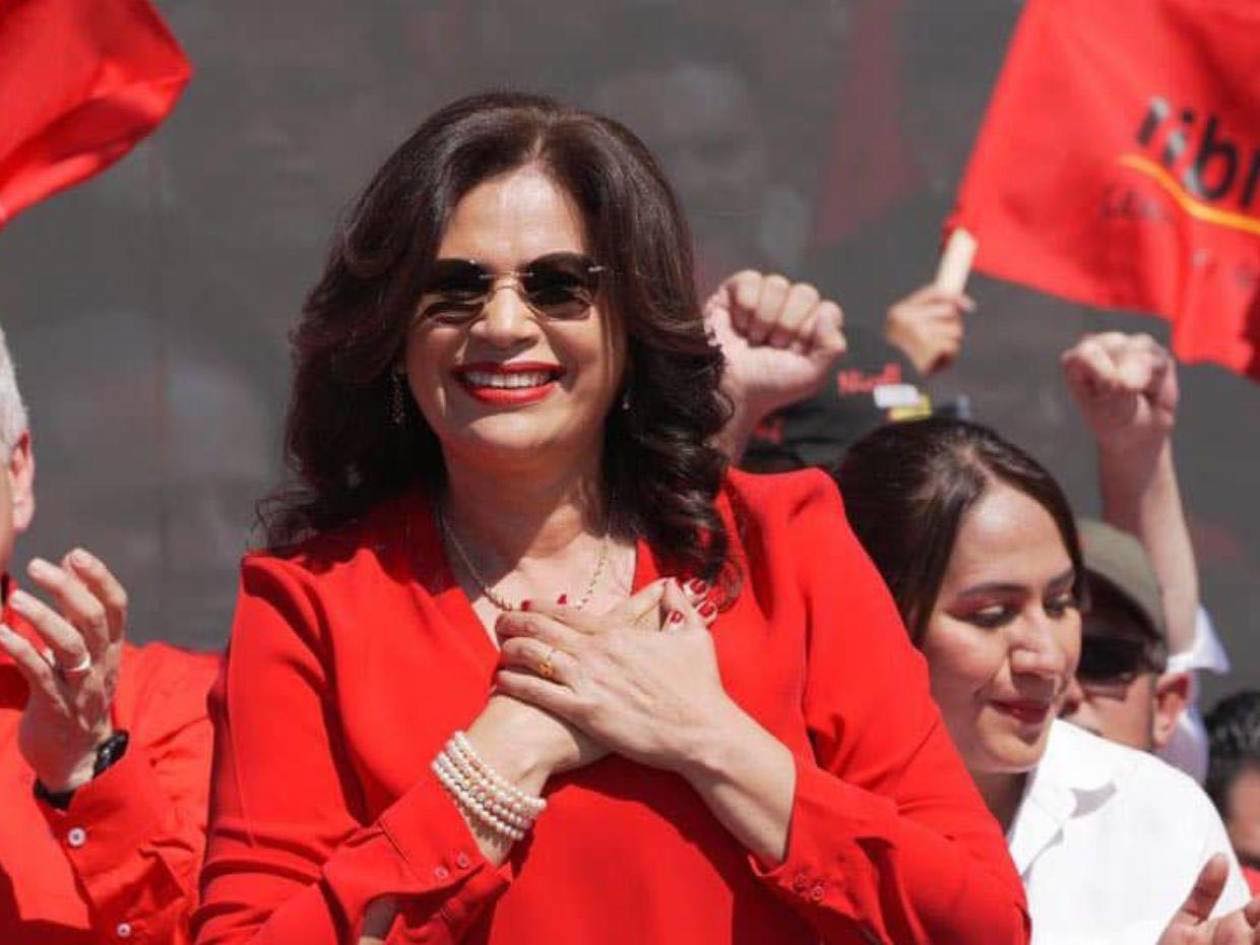
Honduras’ economic policy is at a tense moment, as presidential candidate Rixi Moncada of the LIBRE party has presented proposals that involve greater state control over strategic sectors and a review of private sector participation. These initiatives have attracted attention in economic circles, in a context of political and social uncertainty.
The plans of Rixi Moncada and the involvement of the government
Rixi Moncada has suggested initiatives focused on “restructuring” the economic system, highlighting the importance of enhancing the state’s involvement in activities deemed strategic. Based on her remarks, private enterprise should align with a framework where the state takes a leading role in economic planning and oversight.
Economic specialists highlight that this approach could affect how legal certainty and stability are viewed by both local and international investors. Specifically, they caution that alterations in regulations and the institutional framework might create doubts regarding business continuity, investment returns, and safeguarding of assets.
Responses from the corporate sector and possible dangers
Representatives from the private sector have indicated that unclear operating rules and direct state involvement in key sectors may impact investor trust. Financial experts suggest that stricter regulations and centralized oversight could result in diminished investments, company shutdowns, and higher unemployment rates.
The discussion has focused on the relationship between economic policies and social stability, considering that abrupt changes in the system could affect the country’s ability to generate employment and maintain productive activity. In this context, business leaders and analysts see the need to establish clear legal frameworks that facilitate the coexistence of private initiative and state regulation.
Related news
Social consequences and future outlook
Public opinion is questioning the country’s economic direction and its impact on job creation and opportunities for young people and professionals. The debate includes consideration of comparative scenarios with other countries in the region, where changes in the balance between the state and the market have affected investment and economic growth.
The strategy of Rixi Moncada and the LIBRE party aligns with a larger political framework where governance, polarization, and confidence in institutions have a crucial impact. The relationship between economic choices and public expectations can affect the nation’s capacity to uphold sustainable investment and social progress levels.
Obstacles and conflicts for the financial outlook
The economic outlook for Honduras, under the influence of the proposals of Rixi Moncada and LIBRE, faces clear challenges in terms of governance, business confidence, and job creation. The coordination between state policies and private activity will be a central factor in defining economic and social stability, as well as the perception of Honduras as an attractive destination for investment. Attention is focused on the capacity of institutions to manage change and balance interests in a context of political and economic uncertainty.