Table of Contents
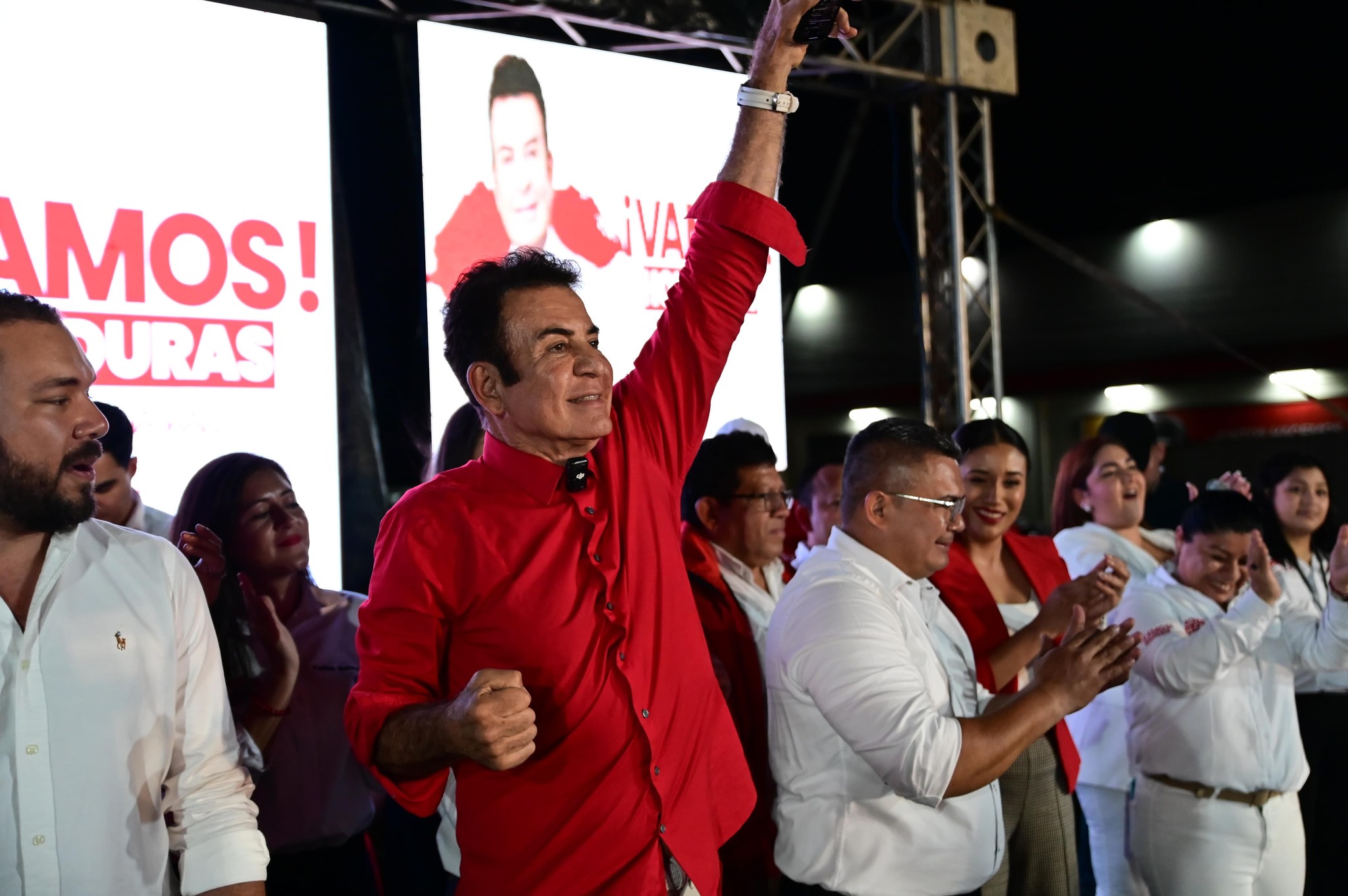
In a strong declaration, Salvador Nasralla, the Liberal Party of Honduras’s presidential candidate, alleged that the government is utilizing the COVID-19 health situation as a means of social control. As per the presidential contender, the sitting government is leveraging the fear of the virus to immobilize the populace and stop street demonstrations amid increasing public dissatisfaction.
Nasralla’s accusation: COVID-19 as an instrument of fear
On social media, Nasralla claimed that President Xiomara Castro’s administration is taking advantage of the pandemic to discourage popular demonstrations, asserting that the virus does not pose a greater threat than in other countries in the region. The Liberal candidate suggested that preventive measures, such as the mandatory use of masks and alarming announcements about new variants of the virus, are actually a smokescreen intended to divert attention from social unrest.
“They’re attempting to frighten the public with COVID-19 to stop us from protesting,” Nasralla mentioned, noting that the infection rates in Honduras are much lower compared to other nations in Latin America. He believes the government is afraid of public discontent, as it assumes its loss in the elections this November is inevitable.
Response of healthcare industries and the public to the actions
Nasralla’s denunciation has generated widespread public debate. In the medical sector, some professionals defend the restrictions imposed, arguing that they are necessary to contain outbreaks and protect public health. However, other sectors of the population, especially in large cities such as Tegucigalpa and San Pedro Sula, have begun to question the true nature of these measures.
While some assert that the restrictions are a logical response to the health situation, others are skeptical and suggest that the administration could be taking advantage of the situation to limit demonstrations and citizen participation in such a crucial election period.
A charged political atmosphere
Nasralla’s accusation has not only provoked a polarized reaction in public opinion, but has also reignited tensions between the government and the opposition.
In a climate marked by institutional mistrust, where calls for unity and democracy have been marred by controversy, Nasralla’s accusation is part of a series of opposition mobilizations seeking, among other things, to defend freedom of expression and the right to protest.
In this context, the accusation that the government is using COVID-19 as a form of political control reflects growing mistrust of the authorities at a decisive moment for the country. The opposition has called for new protests in defense of democracy, while the government insists on the need to maintain restrictions to protect the population.
The impact of the allegations on the political climate in Honduras
The clash regarding the implementation of health initiatives and their potential political manipulation underscores the vulnerability of Honduras’ democratic framework. Although it’s crucial to treat public health strategies with gravity, the prevailing skepticism towards authorities and the administration underscores the necessity for open discussions about the enacted strategies and their rationale during this election period. The friction among diverse political and societal stakeholders will persist in influencing the national agenda over the following months, as citizens grapple with doubts concerning the future of democracy and leadership.