Table of Contents
En un entorno de alta vulnerabilidad social y tensiones económicas continuas, el desempeño macroeconómico de Honduras en 2025 presenta señales contradictorias. Aunque las proyecciones oficiales apuntan a un crecimiento del producto interno bruto (PIB) de entre 3.5% y 4%, varios análisis coinciden en que este ritmo es insuficiente para revertir los altos niveles de pobreza y desigualdad que afectan a más del 60% de la población, especialmente en las zonas rurales y entre los jóvenes.
Limited growth in the face of structural poverty
Crecimiento económico, aun siendo positivo, no se ha convertido en mejoras palpables para la mayoría de los hondureños. Organismos especializados advierten que este desempeño no es fruto de una transformación productiva o políticas redistributivas sostenibles, sino más bien de una inercia que mantiene al país en una dinámica de baja productividad y alta dependencia del exterior.
The situation is particularly serious for sectors historically excluded from economic development. Rural areas, with high rates of multidimensional poverty, and the young population face persistent barriers to access to decent employment, technical education, and quality public services, which impedes social mobility and fuels cycles of intergenerational marginalization.
Joblessness among young people, informal work, and employment instability
The structure of the labor market shows a deterioration that goes beyond macroeconomic indicators. According to the latest available data, more than 386,000 people are out of the labor force after giving up actively seeking employment. In addition, 1.6 million workers are in informal or underemployed conditions, without access to social security or basic labor rights.
Youth unemployment is one of the most critical expressions of this situation. More than 750,000 young people are unable to enter the labor market, and projections point to an increase of at least 150,000 new cases by 2025. This exclusion has far-reaching effects on social cohesion, as it encourages forced migration or, in more adverse contexts, the incorporation of young people into illicit economies.
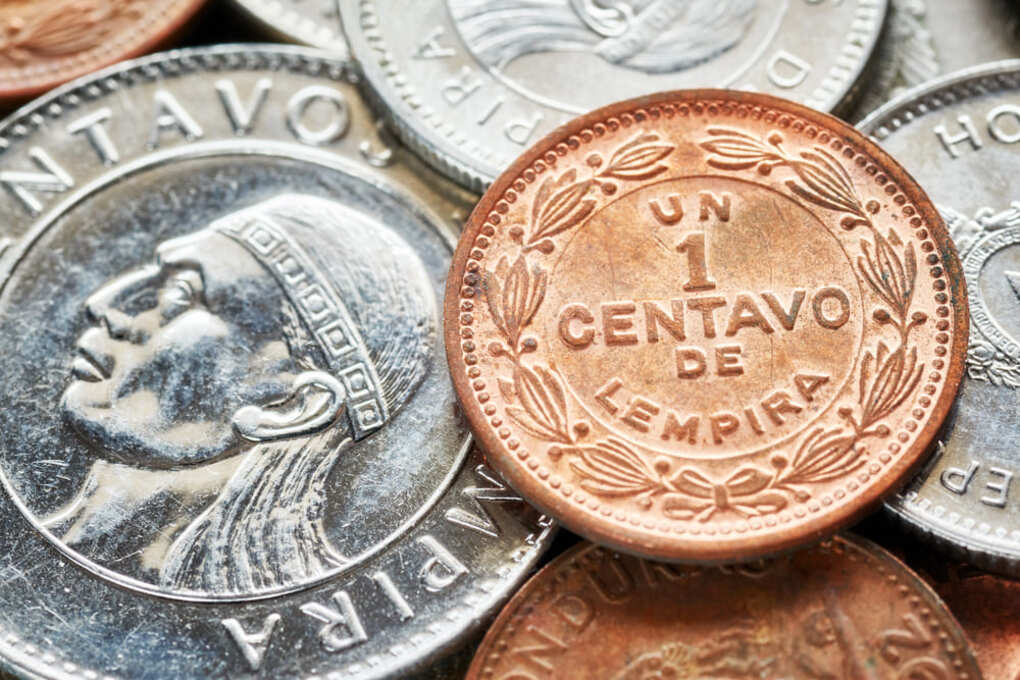
Alternatively, the combination of informal employment and salaries lower than the minimum wage hampers the ability to fulfill essential requirements. The monthly expense for basic necessities is approximately 15,500 lempiras, a sum that is beyond reach for many families, forcing them to resort to survival strategies like borrowing money or relocating.
Persistent inflation and household debt
Year-on-year inflation remains above 4.5%, with a direct impact on food, public services, and essential goods. This phenomenon erodes household purchasing power and widens the gap between income and the cost of living.
Furthermore, the debt of households in Honduras has been continuously increasing, which further limits spending and saving behaviors. Simultaneously, almost 40% of businesses fail to pay the minimum wage, underscoring inadequate regulation of the labor market and insufficient enforcement from the government.
Conflict, displacement, and societal disintegration
The financial crisis is interconnected with various risk elements that have a direct impact on societal stability. Honduras remains one of the nations with the highest levels of violence worldwide, a situation driven by unemployment, inequality, and a shortage of opportunities.
Migration continues to be a common choice for many Hondurans, particularly the younger generation. Money sent home by migrants makes up nearly a quarter of the country’s GDP, supporting a substantial part of the community. However, this also highlights an increasing reliance on income from abroad and makes the nation sensitive to changing migration laws in places like the United States.
A shortage of job opportunities and economic forecasts not only fuels migration but also leads to the breakdown of social cohesion, leaving significant segments of the population excluded from the productive system and governmental protection services.
Related news
A scenario that strains governance
The disparity between macroeconomic metrics and the everyday experiences of the Honduran populace creates notable obstacles for organizations. Even though official statements focus on emphasizing stability, the foundational perspective shows an economic system that struggles to overturn exclusion or diminish social risks.
This disconnect undermines the legitimacy of public policies and underscores the need for reforms aimed at economic inclusion, the creation of decent jobs, and the strengthening of social protection mechanisms. In a context of growing migration, violence, and citizen frustration, the sustainability of the country’s economic and political model depends on its ability to respond to these structural demands with substantive measures.