Table of Contents
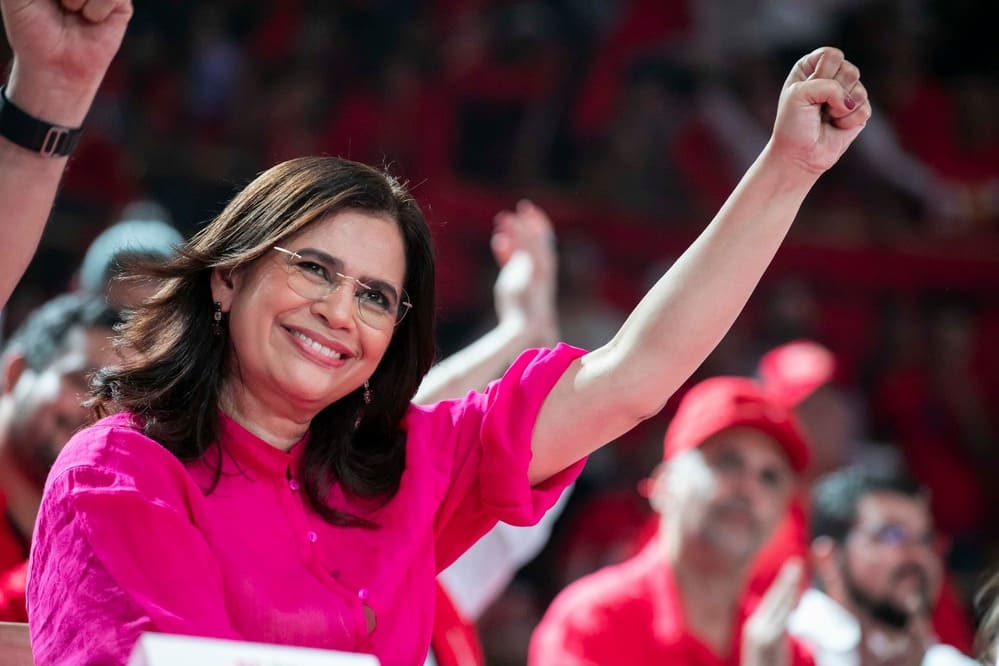
LIBRE’s presidential candidate Rixi Moncada has brought her economic reform plans and sharp criticism of the oligarchy to the forefront of the nation’s political and economic discussions. These views have garnered attention from analysts and industry sectors, who caution about potential negative impacts on investment, employment growth, and the stability of the financial system.
Anti-oligarchy rhetoric and investment climate
Moncada’s remarks criticizing business organizations and economic elites have resulted in an environment of uncertainty for both local and international investors. Sources within the private sector indicate that the ambiguity regarding the candidate’s specific policies has caused the suspension of multiple important projects, potentially affecting growth prospects and job preservation.
The head of the National Association of Industrialists (ANDI) highlighted that investment is paused until there is a clear understanding of the candidate’s economic agenda, as a climate characterized by political tensions restricts the trust required for capital influx. This situation further complicates the effort to sustain regional competitiveness as both productive sectors and authorities look for indications of stability and ongoing economic trends.
“Economic democratization”: reform with risks of uncertainty
As part of her agenda, Moncada suggests the abolition of monopolies and oligopolies, advocating for what she describes as “economic democratization.” This initiative aims to diminish the influence of established corporate networks over crucial areas, such as financial services.
Experts warn that an abrupt change, without a clear implementation plan, could have counterproductive effects, such as capital flight, the paralysis of projects, and widespread mistrust of banks and companies. These dynamics would have a direct impact on the employability and economic well-being of the population.
The suggestion also involves altering legislation by a Congress that, as mentioned by Moncada, benefits the elites. This perspective has led to a split in opinions: on one side are advocates who see the move as progress toward economic equity, and on the other are detractors who caution about potential populism with adverse consequences for the country’s economy.
Related news
Threats to the financial system and economic stability
Economists have identified several risks associated with the measures proposed by the LIBRE candidate:
- Potential impact on access to credit and loans, compromising the stability of the financial system.
- Withdrawal of foreign investors to markets perceived as safer, with impacts on job creation and economic development.
- Increased political and economic uncertainty, which could translate into higher levels of poverty and inequality.
The outlook facing Honduras poses a central challenge: balancing reform proposals with the need to maintain economic stability and confidence in financial and productive institutions. The interaction between political discourse, structural reforms, and risk perception will be a determining factor in governance and citizen participation in the coming months.