Table of Contents
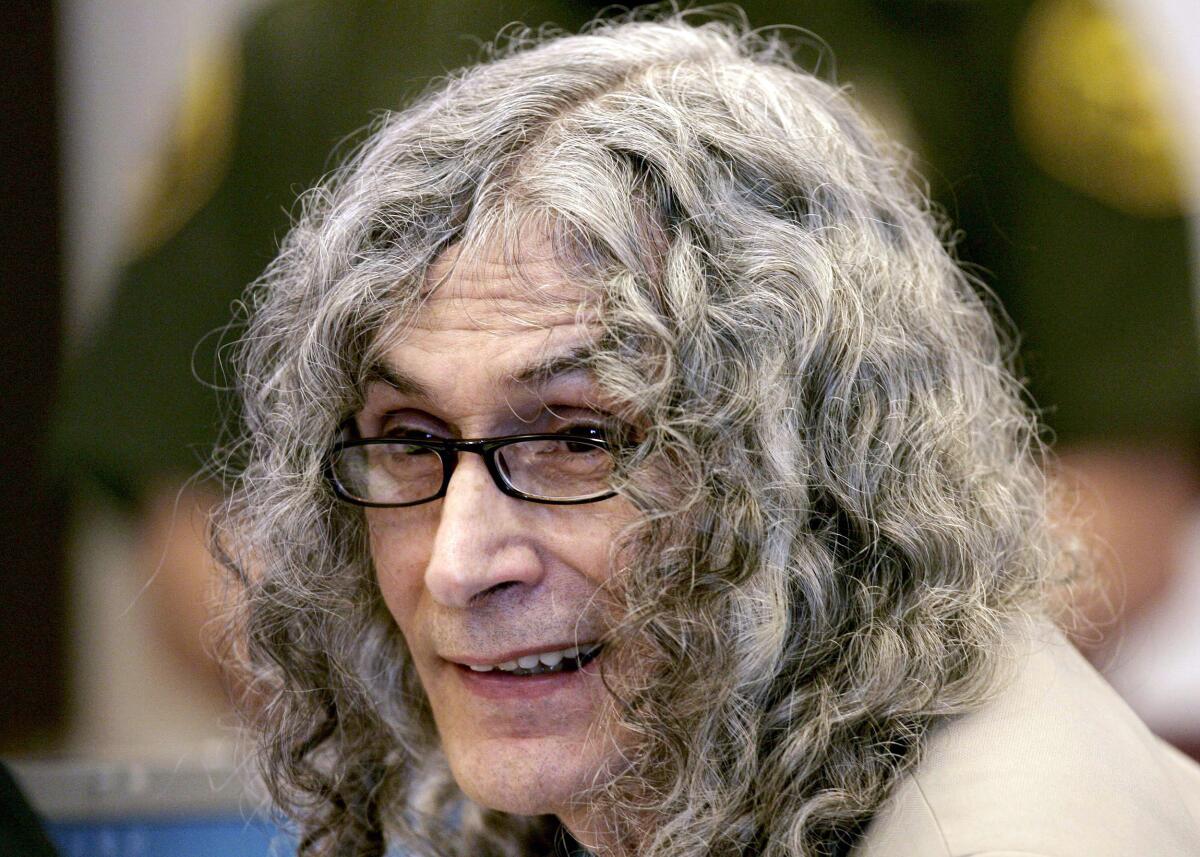
Rodney Alcala, often dubbed the “Dating Game Killer,” is infamously remembered for his heinous crimes which spanned over a decade. Born Rodney James Alcala in San Antonio, Texas, in 1943, he became one of America’s notorious serial killers, linked to numerous murders, assaults, and kidnappings.
The Early Years and Initial Crimes
Alcala’s criminal activities started towards the end of the 1960s. In 1968, he faced charges related to the abduction and attack of Tali Shapiro, a young girl of eight years. This event took place in Los Angeles, California, shortly after Alcala escaped arrest by heading to New York City. Once in New York, he registered at the NYU Film School under the false name John Berger. During his time there, he took on the role of a counselor at a children’s arts camp, illustrating how he moved through society despite his malevolent tendencies.
The Escalation to Murder
Rodney Alcala’s criminal progress peaked during the 1970s. In 1971, he was included in the FBI’s Ten Most Wanted Fugitives list, which resulted in his capture and arrest. Nevertheless, with insufficient evidence, he faced conviction only on minor charges linked to the Shapiro case. His release permitted him to persist on his bleak path.
Alcala’s approach to carrying out his actions included utilizing his charisma and posing as a skilled photographer. He enticed numerous victims with the offer of modeling prospects, exploiting their confidence to perform heinous deeds. By 1979, he had targeted multiple women, with verified connections to five killings, though it is believed his true number of victims is much greater.
The Chilling Game Show Appearance
In 1978, Alcala participated in the TV program “The Dating Game.” Even though his disturbing demeanor was apparent, he emerged victorious in the contest. However, the woman contestant refused to date him because of his unsettling vibe. This public event underscored the eerie contradiction of a predator blending into everyday life, amplifying his notoriety.
Arrest and Convictions
Alcala was eventually taken into custody after a thorough investigation linked him to several murders. The breakthrough came when authorities connected his DNA to evidence from multiple crime scenes. In 1980, he was convicted of the murder of Robin Samsoe, a 12-year-old girl from California. Although this conviction was overturned on appeal twice, Alcala was retried and eventually sentenced to death in 2010.
Further investigatory advancements led to additional convictions. Alcala’s DNA matched evidence at various crime scenes, culminating in multiple murder charges beyond the original five. In 2012, he confessed to two more murders in New York, bringing more closure to the cases of Ellen Hover and Cornelia Crilley, both murdered in the early 1970s.
A History of Notoriety
Rodney Alcala’s history is not only defined by his offenses but also by the systemic shortcomings and trials in the judicial and law enforcement systems during that era. His skill in avoiding capture across numerous states and using different aliases emphasizes deficiencies in the historical procedural collaboration of agencies. Furthermore, his cunning exploitation of charisma and clever front highlights the intricate psychology behind serial criminals.
Reflecting on Rodney Alcala’s story invites a chilling contemplation of the resilience of evil and the necessity for continuous improvement in legal and protective measures. His case has prompted changes in how investigative units collaborate, ultimately aiding in the prevention of similar criminal trajectories in the future. Through this lens, Alcala serves as a reminder of both past tragedies and the enduring pursuit of justice.