Table of Contents
Comprehending the Corruption Scandal at Banco Nación in Argentina
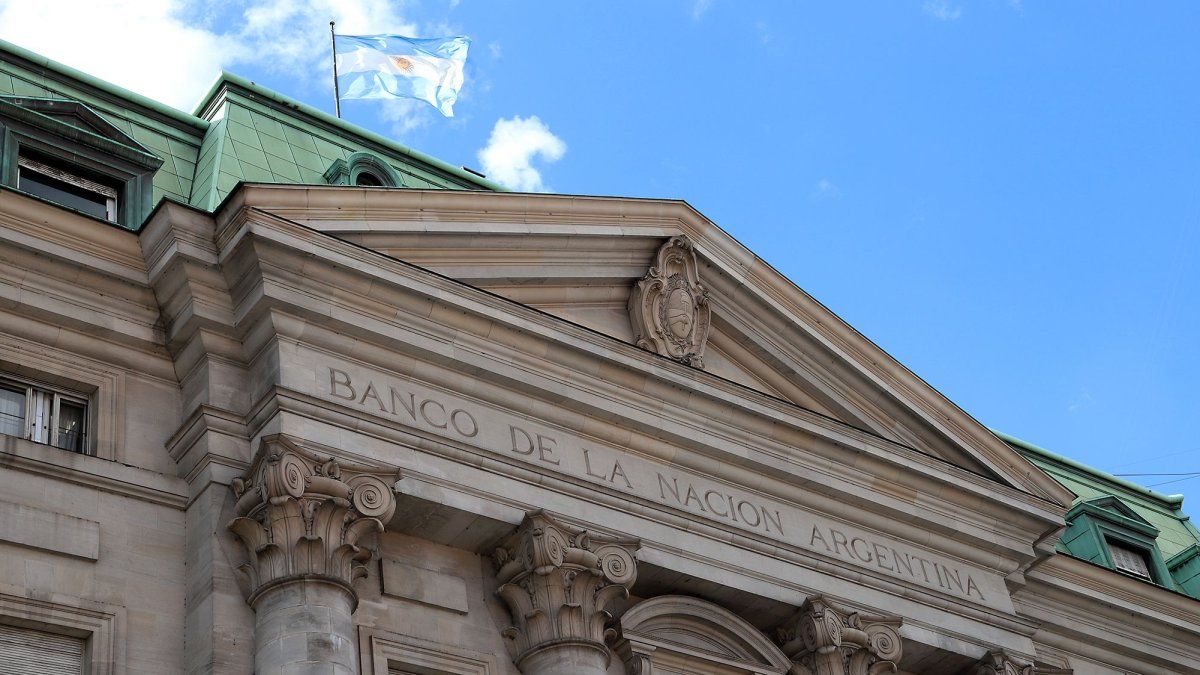
The Banco Nación corruption case stands as a significant example of financial misconduct within Argentina’s banking sector. This case revolves around the improper management and alleged fraudulent activities connected to one of the largest financial institutions in the country, Banco de la Nación Argentina, commonly referred to as Banco Nación.
The Background of Banco Nación
Established in 1891, Banco Nación is Argentina’s national bank, playing a vital role in the country’s economic framework. As a pivotal state-owned financial institution, it handles government funding and serves as a principal lender to numerous sectors, including agriculture, industry, and business. Owing to its impactful presence, any discrepancies within its operations could create ripples across the entire national economy.
The Allegations of Corruption
The corruption scandal involving Banco Nación emerged through thorough probes uncovering major discrepancies in its financial operations. The main allegations centered on the embezzlement of funds, the sanctioning of deceitful loans, and unlawful preferential treatment. Probes indicated a network of internal individuals at the bank who misused their roles for their own benefit, resulting in notable financial deficits.
One of the main accusations centered around loans issued in dubious situations, frequently without adequate security or evaluation of financial stability. These loans were claimed to be channeled to shell companies or enterprises with connections to influential people within the bank or Argentina’s political sphere. Reports suggested that these practices were widespread, involving cooperation between bank leaders and political figures to obtain improper financial gains.
Notable Figures and Entities Involved
Various key individuals, from the banking industry as well as the Argentine administration, were entangled in the situation. The inquiry revealed a coordinated endeavor by bank directors to exploit regulatory gaps, with certain instances highlighting political pressures that urged the bank to aid in executing these operations.
Moreover, entities tied to this scandal were suspected to have connections with influential business conglomerates, providing a greater scope to the scandal. This intertwined network of public and private sectors highlighted serious concerns regarding governance and oversight within Argentina’s financial infrastructure.
Litigation and Results
The court cases regarding the Banco Nación corruption scandal were complicated and broad. Due to the prominent status of the defendants and the complex network of financial ties, inquiries were drawn-out. Legal measures involved auditing suspicious financial dealings, reviewing loan procedures, and conducting in-depth evaluations of the bank’s internal communications.
While outcomes varied, the case resulted in heightened regulatory scrutiny over Banco Nación and reinforced efforts to reform the governance practices within state-owned financial entities. Certain individuals faced charges ranging from embezzlement to dereliction of duty, leading to a mix of acquittals, convictions, and ongoing appeals.
Implications for Argentina’s Financial System
The Banco Nación corruption incident accentuates major difficulties within Argentina’s financial regulatory landscape. It exposed the weaknesses present in government-operated financial entities, especially the dangers arising from inadequate supervision and widespread political interference. As a result, there has been a push for stricter regulatory policies, enhanced transparency, and the establishment of strong internal mechanisms to prevent similar situations from happening again.
In reflecting on the broader narrative of financial misconduct, the case serves not only as a cautionary tale of the dangers of unchecked power and corruption but also as a catalyst for reform efforts aimed at revitalizing the integrity and accountability of Argentina’s financial operations. It remains a potent reminder of the necessity for vigilance and reform in maintaining the health and reliability of national economic institutions.